Hardest Pennsylvania permit test questions
173 questions that need exact knowledge rather than common sense: the numbers (distances, speeds, fines, limits), the exceptions and the rules that are easy to mix up. We chose them from our Pennsylvania question bank for that reason; they're not statistics from the PennDOT.
-
Question 1How early may the physical examination on the learner's permit application (DL-180) be completed?
Show answer
A: No earlier than six months before your 16th birthday. The health care provider must complete the back of the DL-180 no earlier than six months prior to your 16th birthday. Pennsylvania Driver's Manual (PUB 95): Applying for a Learner's Permit, page 5.
-
Question 2How many hours of behind-the-wheel skill-building must a driver under 18 complete before the road test?
Show answer
C: 65 hours. Drivers under 18 must complete at least 65 hours, including at least 10 hours at night and 5 hours in bad weather. Pennsylvania Driver's Manual (PUB 95): Applying for a Learner's Permit, page 6.
-
Question 3Of the required practice hours for drivers under 18, how many must be in bad weather?
Show answer
B: At least 5. The 65 hours must include no less than 10 hours of nighttime driving and 5 hours of bad weather driving. Pennsylvania Driver's Manual (PUB 95): Applying for a Learner's Permit, page 6.
-
Question 4Of the 65 required practice hours, how many must be at night?
Show answer
B: At least 10. At least 10 of the 65 hours must be nighttime driving. Pennsylvania Driver's Manual (PUB 95): Applying for a Learner's Permit, page 6.
-
Question 5Who may supervise a junior learner's permit holder in Pennsylvania?
Show answer
D: A licensed driver at least 21, or a licensed parent, guardian, person in loco parentis or spouse 18 or older. The supervisor must be a licensed driver at least 21, or a licensed parent, guardian, person in loco parentis or spouse who is 18 or older. Pennsylvania Driver's Manual (PUB 95): Junior Learner's Permit Information, page 7.
-
Question 6How many times may you take the Knowledge Test in one day?
Show answer
D: Once, regardless of location. You may take the Knowledge Test only one time on any day, regardless of test location. Pennsylvania Driver's Manual (PUB 95): Applying for a Learner's Permit, page 6.
-
Question 7If you fail the Knowledge Test, when may you retake it?
Show answer
B: The following business day. If you fail the Knowledge Test, you may retake it the following business day. Pennsylvania Driver's Manual (PUB 95): Knowledge Test, page 9.
-
Question 8How many questions are on the Pennsylvania Knowledge Test, and how many must you answer correctly?
Show answer
A: 18 questions, 15 correct. The Knowledge Test consists of 18 multiple-choice questions, and you must answer 15 correctly to pass. Pennsylvania Driver's Manual (PUB 95): Knowledge Test, page 9.
-
Question 9During which hours may a junior licensee NOT drive without a parent, guardian or spouse (18 or older)?
Show answer
A: 11 p.m. to 5 a.m.. Junior licensees may not drive between 11 p.m. and 5 a.m. unless accompanied, with exceptions for certain work and service activities. Pennsylvania Driver's Manual (PUB 95): Junior Driver's License Information, page 7.
-
Question 10During the first six months on a junior license, how many passengers under 18 who are not immediate family may ride without a parent or guardian present?
Show answer
D: One. For the first six months, a junior driver may carry no more than one non-family passenger under 18 unless a parent or guardian (18+) is in the vehicle. Pennsylvania Driver's Manual (PUB 95): Junior Driver's License Information, page 8.
-
Question 11After six months on a junior license with a clean record, how many non-family passengers under 18 may ride without a parent?
Show answer
A: Three. After six months, the limit rises to three passengers under 18 who are not immediate family, unless the driver had an at-fault crash or a conviction. Pennsylvania Driver's Manual (PUB 95): Junior Driver's License Information, page 8.
-
Question 12A junior driver accumulates 6 points. What happens the first time?
Show answer
C: A 90-day license suspension. Junior drivers receive a mandatory 90-day suspension for 6 or more points or for driving 26 mph or more over the limit. Pennsylvania Driver's Manual (PUB 95): Junior Driver's License Information, page 8.
-
Question 13A junior driver is convicted of driving how fast over the posted limit to receive a mandatory 90-day suspension?
Show answer
D: 26 mph or more. Driving 26 mph or more over the posted speed limit triggers a mandatory 90-day suspension for a junior driver. Pennsylvania Driver's Manual (PUB 95): Junior Driver's License Information, page 8.
-
Question 14Which is a requirement to change a junior license to a regular license before age 18?
Show answer
B: Passing an approved driver training course and having no at-fault crash or conviction for one year. After one year on a junior license you need approved driver training, no at-fault crash and no conviction for one year, and parent/guardian consent. Pennsylvania Driver's Manual (PUB 95): Junior Driver's License Information, page 8.
-
Question 15A new resident with a valid out-of-state license must get a Pennsylvania license within:
Show answer
D: 60 days. New residents with a valid license from another state or Canada must get a Pennsylvania license within 60 days and surrender the old license. Pennsylvania Driver's Manual (PUB 95): Who Needs a Pennsylvania Driver's License?, page 7.
-
Question 16Under 18, how long must you wait to retake the road test after failing it?
Show answer
A: Seven days. Pennsylvania law requires drivers under 18 to wait seven days before retaking a failed road test. Pennsylvania Driver's Manual (PUB 95): Road Test, page 10.
-
Question 17On the Pennsylvania road test, what are the dimensions of the parallel parking space?
Show answer
B: 24 feet long and 8 feet wide. You must park midway between two uprights in a space 24 feet long and 8 feet wide. Pennsylvania Driver's Manual (PUB 95): Road Test, page 10.
-
Question 18During the road test parallel park, how many adjustments are you allowed?
Show answer
B: No more than three. You have one attempt to park using no more than three adjustments, without touching uprights, crossing lines or mounting the curb. Pennsylvania Driver's Manual (PUB 95): Road Test, page 10.
-
Question 19Your car has a self-parking feature. May you use it during the road test?
Show answer
D: No, it must be turned off and may not be activated. Self-parking vehicles may be used, but the self-parking feature must be off and may not be activated during the test. Pennsylvania Driver's Manual (PUB 95): Road Test, page 10.
-
Question 20If you haven't passed the road test within three years of your physical examination date, what must you do?
Show answer
B: Start over with a new DL-180 and retake the Knowledge Test. You must start over with another DL-180 and retake the Knowledge Test. Pennsylvania Driver's Manual (PUB 95): Road Test, page 10.
-
Question 21In Pennsylvania, at a steady red arrow, which turns on red are allowed?
Show answer
C: The same turns on red allowed at a steady red light. Pennsylvania allows the same turns on red at a steady red arrow as at a steady red light, after stopping and yielding. Pennsylvania Driver's Manual (PUB 95): Red, Yellow and Green Traffic Lights and Arrows, page 11.
-
Question 22A green arrow changes to a circular green light while you wait to turn left. What should you do?
Show answer
D: You may still turn, but first yield to pedestrians and oncoming traffic. If the green arrow becomes a green light, you may still turn, but you must yield to pedestrians and oncoming traffic. Pennsylvania Driver's Manual (PUB 95): Red, Yellow and Green Traffic Lights and Arrows, page 11.
-
Question 23At a ramp-metering signal on a single-lane ramp, how many vehicles may enter each time the light turns green?
Show answer
A: One. On single-lane ramps, only one car may enter the highway each time the light turns green. Pennsylvania Driver's Manual (PUB 95): Ramp-Metering Signals, page 12.
-
Question 24A steady yellow X over your lane means:
Show answer
C: Change lanes, because the lane's direction of travel is about to reverse. A steady yellow X means get ready to leave the lane safely; its direction is about to be reversed. Pennsylvania Driver's Manual (PUB 95): Lane Use Control Signals, page 12.
-
Question 25What is the speed limit in a Pennsylvania school zone when the yellow signals are flashing?
Show answer
B: 15 mph. You must travel no faster than 15 mph when school zone signals are flashing or during the times shown on the sign. Pennsylvania Driver's Manual (PUB 95): School Zone Signals, page 13.
-
Question 26How many points are added to your record for speeding in a school zone?
Show answer
B: 3. Exceeding the school zone speed limit results in three points on your driving record plus a fine. Pennsylvania Driver's Manual (PUB 95): School Zone Signals, page 13.
-
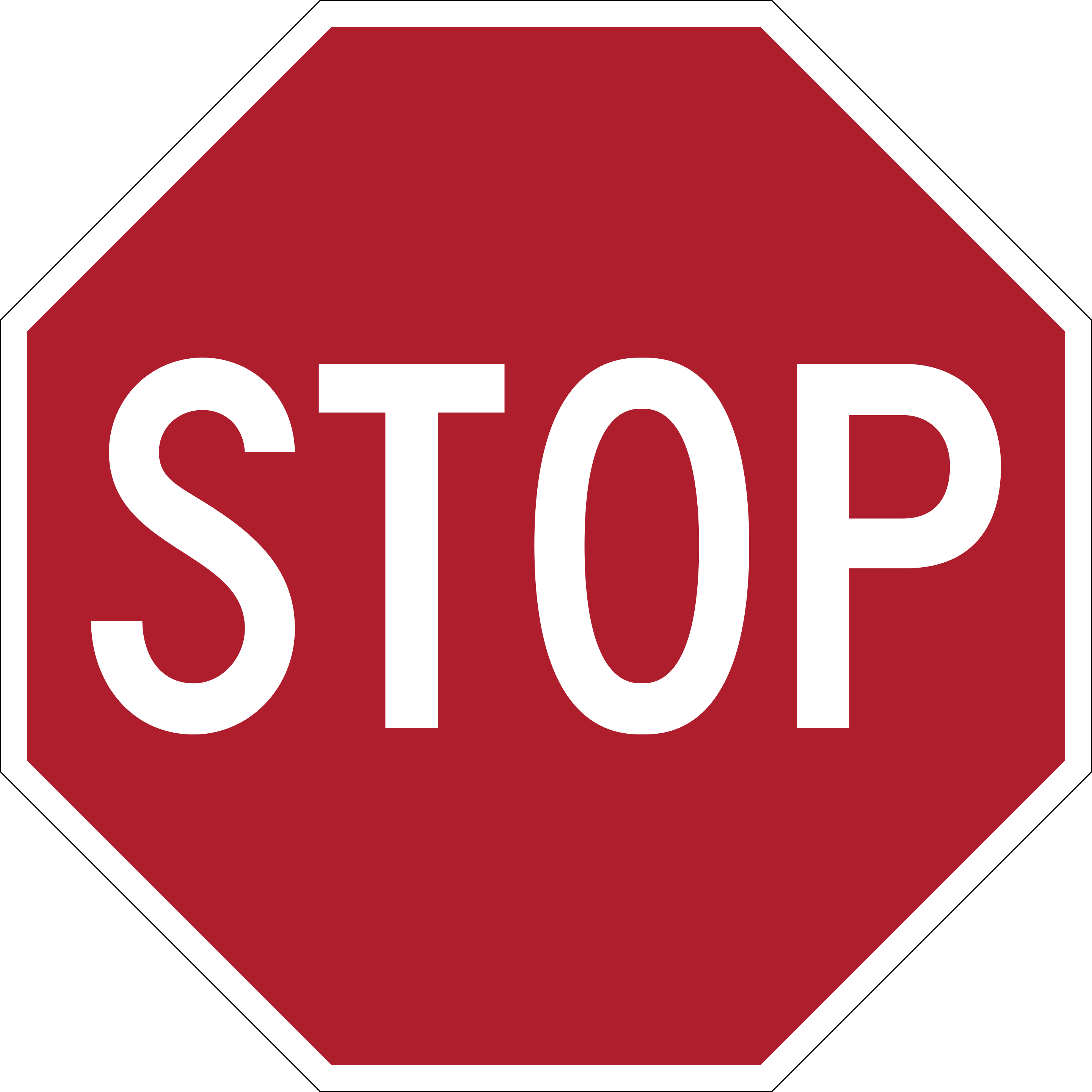
Question 27At a four-way stop, two vehicles facing each other arrive at the same time. What should they do?
Show answer
C: Both may proceed with caution, watching for possible turns. If facing one another at a four-way stop, both can proceed with caution, watching for turns. Pennsylvania Driver's Manual (PUB 95): Regulatory Signs, page 14.
-
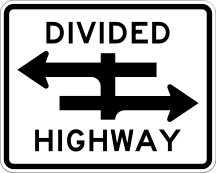
Question 28A DIVIDED HIGHWAY sign at a crossroad tells you that at the first roadway you can only turn:
Show answer
A: Right. The divided highway is two one-way roadways: at the first roadway you can only turn right, and at the second only left. Pennsylvania Driver's Manual (PUB 95): Regulatory Signs, page 15.
-
Question 29You are in a lane with a turn arrow and the word ONLY, but you wanted to go straight. What must you do?
Show answer
A: Make the turn. If you are in a turn-only lane, you must make the turn, even if you are in the lane by mistake. Pennsylvania Driver's Manual (PUB 95): Regulatory Signs: Lane Use Control Signs, page 16.
-
Question 30An 'OPPOSING TRAFFIC HAS EXTENDED GREEN' sign warns you that:
Show answer
D: Oncoming traffic may keep moving after your signal turns red. This sign is posted where opposing traffic may continue to move after your signal has turned red. Pennsylvania Driver's Manual (PUB 95): Regulatory Signs, page 16.
-
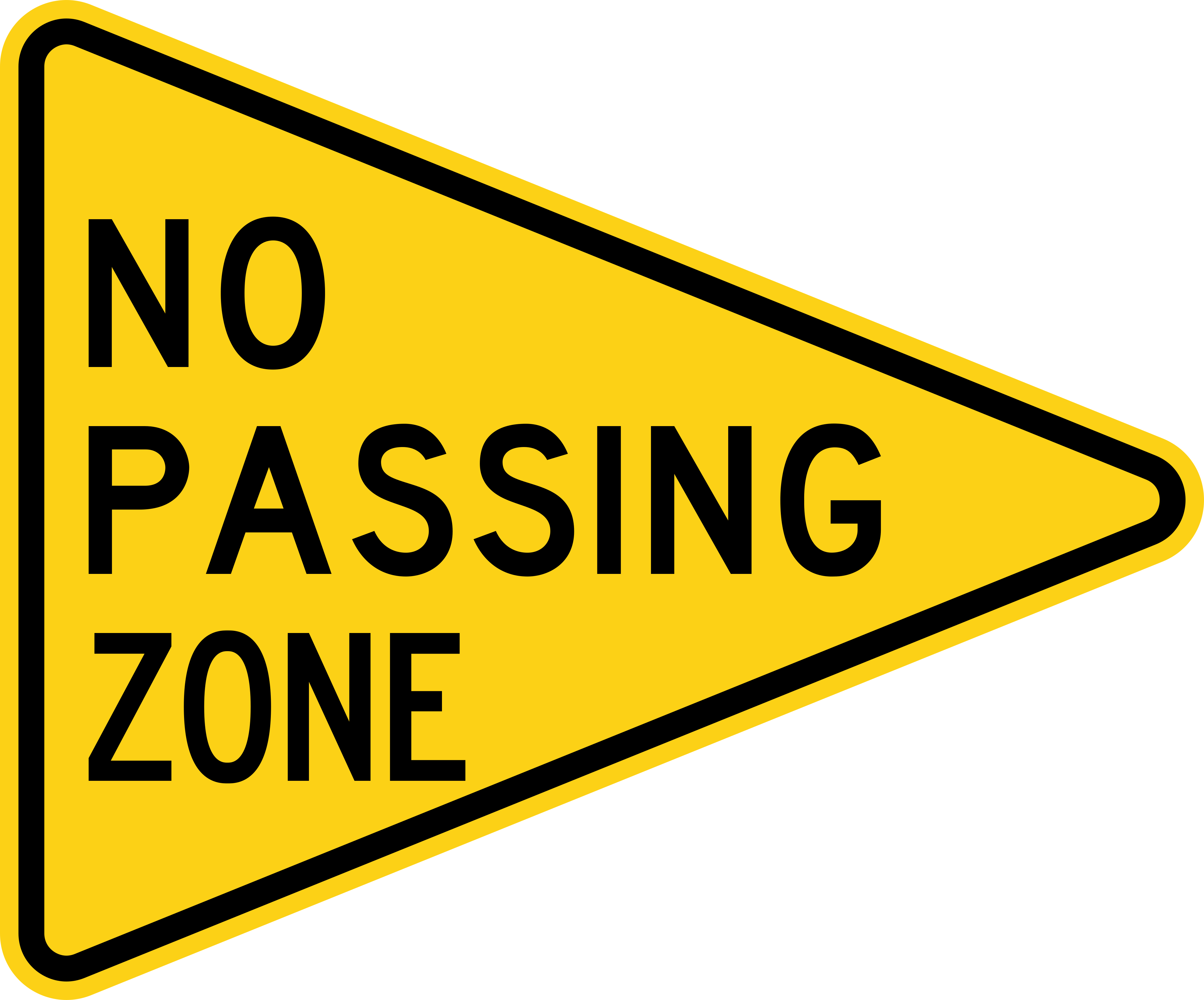
Question 31On which side of the road is the NO PASSING ZONE pennant placed?
Show answer
D: The left side, facing the driver. It marks the beginning of a no-passing zone and is placed on the left side of the road facing the driver. Pennsylvania Driver's Manual (PUB 95): Warning Signs, page 17.
-
Question 32When driving through a right curve, where should you position your vehicle?
Show answer
B: Slightly to the right of the center of your lane. For a right curve, slow down and position your vehicle slightly to the right of the center of your lane. Pennsylvania Driver's Manual (PUB 95): Warning Signs, page 17.
-
Question 33When driving through a left curve, where should you position your vehicle?
Show answer
D: In the center of your lane. For a left curve, slow down and stay in the center of your lane. Pennsylvania Driver's Manual (PUB 95): Warning Signs, page 17.
-
Question 34A Winding Road sign means there are how many curves in a row ahead?

Show answer
A: Three or more. The Winding Road (series of curves) sign means three or more curves in a row. Pennsylvania Driver's Manual (PUB 95): Warning Signs, page 18.
-
Question 35An Added Lane sign means:

Show answer
C: Merging is not necessary because entering traffic gets its own new lane. The Added Lane sign means entering traffic uses a new lane added to the roadway, so merging is not necessary. Pennsylvania Driver's Manual (PUB 95): Warning Signs: Added Lane, page 18.
-
Question 36The LOW SHOULDER sign is used where the shoulder is up to how far below the road?

Show answer
C: Three inches. LOW SHOULDER is used where the shoulder is as much as three inches below the road; SHOULDER DROP OFF marks more severe drop-offs. Pennsylvania Driver's Manual (PUB 95): Warning Signs: Shoulder Signs, page 20.
-
Question 37An object marker has stripes angled down toward the left. Which way should you move to avoid the hazard?
Show answer
B: To the left. Stripes are angled down in the direction you need to move to avoid the hazard; a right-hazard marker means keep to the left. Pennsylvania Driver's Manual (PUB 95): Objects Adjacent to the Roadway, page 21.
-
Question 38When are headlights required in Pennsylvania work zones?
Show answer
A: In all posted work zones, at any time of day. Turn on your headlights in all posted work zones, not just active ones, no matter the time of day. Pennsylvania Driver's Manual (PUB 95): Work Zone Signs, page 22.
-
Question 39If police stop you for a violation in a work zone and your headlights are off, what additional fine applies?
Show answer
B: $25. You will be fined an additional $25 if your headlights are not on. Pennsylvania Driver's Manual (PUB 95): Work Zone Signs, page 22.
-
Question 40In Pennsylvania, exit numbers correspond to:
Show answer
A: Mile markers. Exit numbers match the mile markers, so the distance between Exit 95 and Exit 20 is 75 miles. Pennsylvania Driver's Manual (PUB 95): Guide Signs: Exit Numbers, page 23.
-
Question 41The small EXIT number tab is on the left side of the green guide sign. Where is the exit?
Show answer
B: On the left side of the highway. The exit number tab is on the left side of the sign when the exit is on the left side of the highway. Pennsylvania Driver's Manual (PUB 95): Guide Signs, page 24.
-
Question 42A three-digit interstate whose first digit is odd, such as I-180, is usually:
Show answer
A: A spur connecting with another interstate at only one end. If the first digit is odd, the route is usually a spur connecting at one end; an even first digit usually means a loop or beltway. Pennsylvania Driver's Manual (PUB 95): Interstate Numbering System, page 24.
-
Question 43On Pennsylvania east-west roads, mile markers start at zero in which part of the state?
Show answer
C: Western. Mile marker numbers start at zero in the west for east-west roads (and in the south for north-south roads) and increase going east or north. Pennsylvania Driver's Manual (PUB 95): Mile Markers, page 24.
-
Question 44When should you check tire pressure?
Show answer
C: Cold, before driving or at least three hours after driving. Check tires 'cold': before you have driven or at least three hours after you have driven. Pennsylvania Driver's Manual (PUB 95): Vehicle Checks: Preparing to Drive, page 35.
-
Question 45Is it legal in Pennsylvania to hang items such as a parking permit from the rearview mirror while driving?
Show answer
B: No; tags, permits and placards may only hang there when the vehicle is parked. It is against the law to have anything hanging from the rearview mirror while moving; tags, permits and placards may hang there only when parked. Pennsylvania Driver's Manual (PUB 95): Vehicle Checks: Preparing to Drive, page 35.
-
Question 46How high should the top of your head restraint be?
Show answer
C: At least as high as the top of your ears. Adjust the head restraint so its top is at least as high as the top of your ears. Pennsylvania Driver's Manual (PUB 95): Vehicle Checks: Preparing to Drive, page 36.
-
Question 47Being thrown from a vehicle increases your chance of death by about:
Show answer
C: 75 percent. Locking your doors and wearing a seat belt keep you from being thrown out; being thrown increases your chance of death by 75 percent. Pennsylvania Driver's Manual (PUB 95): Vehicle Checks: Preparing to Drive, page 36.
-
Question 48Under the Pennsylvania manual, headphones or earpieces may be used:
Show answer
D: In only one ear, for communication purposes. Headphones/ear pieces can only be used in one ear for communication purposes. Pennsylvania Driver's Manual (PUB 95): Driving Distractions, page 36.
-
Question 49According to research in the Pennsylvania manual, how often does a teenager dialing a cell phone miss an important road event?
Show answer
C: 53 percent of the time. A normal driver misses such an event 3 percent of the time, an adult dialing 13 percent, and a teen dialing 53 percent. Pennsylvania Driver's Manual (PUB 95): Driving Distractions, page 36.
-
Question 50Being awake for 24 hours in a row impairs driving about as much as a BAC of:
Show answer
D: .10. Being awake 18 hours is like a BAC of .05; 24 hours in a row is like .10. Pennsylvania Driver's Manual (PUB 95): Lack of Sleep, page 37.
-
Question 51About what share of all traffic deaths involve drinking drivers, according to the Pennsylvania manual?
Show answer
C: 40 percent. Approximately 40 percent of all traffic deaths involve drinking drivers. Pennsylvania Driver's Manual (PUB 95): Alcohol and Driving, page 37.
-
Question 52In Pennsylvania, a driver under 21 is considered DUI at what BAC?
Show answer
B: .02 or more. A driver under 21 with a BAC of .02 percent or more is considered to be driving under the influence. Pennsylvania Driver's Manual (PUB 95): Alcohol and Driving, page 37.
-
Question 53A driver with a BAC of .04 is how much more likely to crash than a driver with no alcohol?
Show answer
C: Between two and seven times more likely. Even at .04 (half the adult limit), drivers are two to seven times more likely to crash. Pennsylvania Driver's Manual (PUB 95): Alcohol and Driving, page 37.
-
Question 54Drugs other than alcohol are involved in about what share of motorist deaths each year?
Show answer
B: 20 percent. Drugs other than alcohol are involved in approximately 20 percent of deaths among motorists each year. Pennsylvania Driver's Manual (PUB 95): Drugs and Driving, page 38.
-
Question 55According to the Pennsylvania manual, drivers with less than how many years of experience are most likely to make errors leading to crashes?
Show answer
D: Five. Drivers with less than five years of experience are most likely to make errors that lead to crashes. Pennsylvania Driver's Manual (PUB 95): Everyday Driving Skills, page 39.
-
Question 56What following distance does the Pennsylvania manual recommend on dry pavement?
Show answer
C: 4 seconds. A 4-second following distance lets you steer or brake to avoid a hazard on dry pavement. Pennsylvania Driver's Manual (PUB 95): Keep a Space Cushion Ahead (4-Second Rule), page 39.
-
Question 57How many areas of space around your vehicle does the Pennsylvania manual say you must manage?
Show answer
B: Six. There are six areas of space around your vehicle you must be able to manage. Pennsylvania Driver's Manual (PUB 95): Managing Space, page 39.
-
Question 58If you don't have at least how many feet of space on at least one side of your vehicle as an escape path, you should increase your following distance?
Show answer
A: Eight feet. Without at least eight feet of space on at least one side to use as an escape path, allow more space to the front. Pennsylvania Driver's Manual (PUB 95): Keep a Space Cushion to the Sides, page 40.
-
Question 59How far ahead should you be able to identify problem situations?
Show answer
D: 12 to 15 seconds. Look 12 to 15 seconds ahead, about one block in the city or a quarter mile at highway speeds. Pennsylvania Driver's Manual (PUB 95): Looking Ahead, page 41.
-
Question 60When checking your blind spot before changing lanes, how long should your eyes be off the road ahead?
Show answer
C: No more than a second. Check blind spots quickly; do not take your eyes off the road ahead for more than a second. Pennsylvania Driver's Manual (PUB 95): Looking Behind, page 42.
-
Question 61What is the maximum speed limit in Pennsylvania?
Show answer
C: 70 mph. The maximum speed limit in Pennsylvania is 70 mph. Pennsylvania Driver's Manual (PUB 95): Posted Speed Limits, page 43.
-
Question 62Where is the maximum speed limit posted on interstate highways in Pennsylvania?
Show answer
D: After each interchange. The maximum limit on interstates is posted after each interchange; on other highways at about half-mile intervals. Pennsylvania Driver's Manual (PUB 95): Posted Speed Limits, page 43.
-
Question 63You are driving at the posted limit on a wet, slippery road. Can you be ticketed?
Show answer
D: Yes, for driving too fast for conditions. Even within the posted limit, you can be ticketed for driving too fast for conditions. Pennsylvania Driver's Manual (PUB 95): Posted Speed Limits, page 43.
-
Question 64Overall, traffic fatality rates at night compared with daytime are:
Show answer
C: Three to four times higher. Traffic fatality rates are three to four times higher at night than in daylight. Pennsylvania Driver's Manual (PUB 95): Driving at Night, page 43.
-
Question 65Pennsylvania law requires headlights when you cannot see pedestrians or vehicles how far ahead?
Show answer
C: 1,000 feet. Headlights are required when you cannot see pedestrians or vehicles 1,000 feet ahead. Pennsylvania Driver's Manual (PUB 95): Driving at Night, page 44.
-
Question 66Are daytime running lights enough to satisfy Pennsylvania's headlight law when wipers are on?
Show answer
C: No; your tail lights must also be on. Daytime running lights are not enough; your tail lights must be illuminated as well. Pennsylvania Driver's Manual (PUB 95): Headlight/Windshield Wiper Law, page 47.
-
Question 67Pennsylvania law requires low beams when you are within how many feet of an oncoming vehicle?
Show answer
B: 500 feet. You must use low beams within 500 feet of an oncoming vehicle. Pennsylvania Driver's Manual (PUB 95): Driving at Night, page 44.
-
Question 68Pennsylvania law requires low beams when following another vehicle within:
Show answer
C: 300 feet. Use low beams when following a vehicle within 300 feet. Pennsylvania Driver's Manual (PUB 95): Driving at Night, page 44.
-
Question 69About how far ahead do low beam headlights shine?
Show answer
B: 250 feet. Low beams shine only about 250 feet ahead, and stopping from 55 mph takes more than that. Pennsylvania Driver's Manual (PUB 95): Driving at Night, page 44.
-
Question 70To avoid overdriving your low beams on a dark road, the manual says not to drive faster than:
Show answer
B: 45 mph. To avoid overdriving your headlights on a dark road at night, you should not drive faster than 45 mph. Pennsylvania Driver's Manual (PUB 95): Driving at Night, page 44.
-
Question 71When do roads become very slippery during a rainstorm?
Show answer
B: In the first 10 to 15 minutes. Pavements can become very slippery in the first 10 to 15 minutes of a rainstorm as oil rises to the surface. Pennsylvania Driver's Manual (PUB 95): Road Conditions: Wet Pavements, page 44.
-
Question 72You can hydroplane at speeds as low as:
Show answer
C: 35 mph. You can hydroplane at speeds as low as 35 mph when water is only 1/10 of an inch deep. Pennsylvania Driver's Manual (PUB 95): Road Conditions: Hydroplaning, page 45.
-
Question 73If snow or ice from your moving vehicle hits another vehicle or pedestrian and causes death or serious injury, what fine can you face?
Show answer
C: $200 to $1,000 per offense. The operator is subject to a fine of $200 to $1,000 for each offense. Pennsylvania Driver's Manual (PUB 95): Road Conditions: Snow and Ice, page 45.
-
Question 74On wet roads, the Pennsylvania manual says to reduce speed and increase following distance to:
Show answer
C: 5 or 6 seconds. Reduce your speed by 5 to 10 mph on wet roads and increase following distance to five or six seconds. Pennsylvania Driver's Manual (PUB 95): Road Conditions: Snow and Ice, page 45.
-
Question 75On packed snow, how much should you reduce your speed?
Show answer
B: By half. On packed snow, decrease your speed by half; on ice, slow to a crawl. Pennsylvania Driver's Manual (PUB 95): Road Conditions: Snow and Ice, page 45.
-
Question 76On ice- or snow-covered roads, how much space should you leave to the vehicle ahead?
Show answer
D: About 10 times more space than normal. Leave about 10 times more space than normal between you and the vehicle ahead. Pennsylvania Driver's Manual (PUB 95): Road Conditions: Snow and Ice, page 45.
-
Question 77According to the manual, a dirty headlight reduces light output by:
Show answer
C: More than 50 percent. A dirty headlight reduces light output by more than 50 percent. Pennsylvania Driver's Manual (PUB 95): Visibility Conditions, page 46.
-
Question 78What is the fine under Pennsylvania's headlight/windshield wiper law?
Show answer
B: $25 (approaching $100 with costs). Violators may face a $25 fine, but with fees and costs the penalty approaches $100. Pennsylvania Driver's Manual (PUB 95): Headlight/Windshield Wiper Law, page 47.
-
Question 79You approach a police stop on the shoulder but cannot move into a non-adjacent lane. How much must you slow down?
Show answer
A: To at least 20 mph below the posted limit. If you cannot move over, you must reduce your speed to at least 20 mph below the posted speed limit. Pennsylvania Driver's Manual (PUB 95): Traffic Flow, page 47.
-
Question 80The orange triangle on the back of farm tractors and horse-drawn vehicles shows they are designed to travel at:
Show answer
B: 25 mph or less. The orange triangle marks vehicles designed to operate at 25 mph or less. Pennsylvania Driver's Manual (PUB 95): Reactions to Slow Moving Traffic, page 48.
-
Question 81You must drive below 40 mph on a limited access highway. What should you do?
Show answer
A: Use your hazard (four-way) flashers. If you must drive below 40 mph on a limited access highway, use your hazard flashers to warn drivers behind you. Pennsylvania Driver's Manual (PUB 95): Communicating Your Intentions to Other Drivers, page 48.
-
Question 82Driving under 35 mph in Pennsylvania, how far before a turn must you signal?
Show answer
B: At least 100 feet. Under Pennsylvania law, signal at least 100 feet before turning when driving less than 35 mph. Pennsylvania Driver's Manual (PUB 95): Communicating Your Intentions to Other Drivers, page 48.
-
Question 83Driving 35 mph or faster in Pennsylvania, how far before a turn must you signal?
Show answer
C: At least 300 feet. At 35 mph or more, you must signal at least 300 feet before turning. Pennsylvania Driver's Manual (PUB 95): Communicating Your Intentions to Other Drivers, page 48.
-
Question 84Before making a U-turn, how far away must vehicles approaching from all directions be?
Show answer
C: At least 500 feet. Make sure drivers coming from all directions are at least 500 feet away and can see you clearly. Pennsylvania Driver's Manual (PUB 95): U-Turns, page 50.
-
Question 85Is it legal to pass a vehicle ahead of you in a highway acceleration lane?
Show answer
A: No. It is illegal to pass a vehicle ahead of you in an acceleration lane. Pennsylvania Driver's Manual (PUB 95): Merging with Traffic, page 50.
-
Question 86At 45 mph on a two-lane road, how much clear roadway do you need to pass safely?
Show answer
A: About 1/4 mile. At 45 mph, you need about 1/4 mile of clear roadway to safely pass a slower vehicle. Pennsylvania Driver's Manual (PUB 95): Passing: On a Two-Lane Road, page 51.
-
Question 87How much faster than the vehicle you're passing should you be going?
Show answer
B: About 10 mph. You need to be going about 10 mph faster than the vehicle(s) you are passing. Pennsylvania Driver's Manual (PUB 95): Passing: On a Two-Lane Road, page 51.
-
Question 88When may you pass on the right in Pennsylvania?
Show answer
D: When the vehicle ahead is making or signaling a left turn, or on a road with two or more marked lanes in each direction. The manual allows passing on the right when the driver ahead is making or signaling a left turn, or on roadways with two or more marked traffic lanes in each direction. Pennsylvania Driver's Manual (PUB 95): Passing on the Right, page 51.
-
Question 89Within how many feet of an intersection or railroad crossing may you not pass (unless a traffic control device allows it)?
Show answer
B: 100 feet. You may not pass within 100 feet of or while crossing any intersection or railroad grade crossing. Pennsylvania Driver's Manual (PUB 95): You May Not Pass If, page 51.
-
Question 90You may not pass within how many feet of a bridge, elevated structure or tunnel?
Show answer
B: 100 feet. You may not pass within 100 feet of any bridge, elevated structure or tunnel. Pennsylvania Driver's Manual (PUB 95): You May Not Pass If, page 51.
-
Question 91Which statement about right-of-way law is correct?
Show answer
C: The law doesn't give anyone the right-of-way; it only says who must yield. The law does not give anyone the right-of-way at intersections; it only says who must yield. Pennsylvania Driver's Manual (PUB 95): Negotiating Intersections, page 52.
-
Question 92To cross a 30 mph street from a two-way stop, about how large a gap do you need in both directions?
Show answer
B: About 6 seconds. You need about a 6-second gap in both directions to cross a 30 mph street, about a block of clear space each way. Pennsylvania Driver's Manual (PUB 95): Moving Into and Through Intersections Safely, page 53.
-
Question 93When turning right onto a street, what gap should you allow from vehicles approaching from the left?
Show answer
C: About 8 seconds. Allow a gap of about eight seconds between you and any vehicle approaching from the left. Pennsylvania Driver's Manual (PUB 95): Moving Into and Through Intersections Safely, page 53.
-
Question 94Turning left from a minor street onto a major street, what gap should you allow from vehicles approaching from the right?
Show answer
C: About 9 seconds. Allow a 9-second gap between you and any vehicle approaching from the right. Pennsylvania Driver's Manual (PUB 95): Moving Into and Through Intersections Safely, page 53.
-
Question 95An emergency vehicle approaches while you are inside a roundabout. What should you do?
Show answer
A: Exit the roundabout immediately and pull to the side. If in the roundabout, immediately exit and pull to the side; never stop in the roundabout. Pennsylvania Driver's Manual (PUB 95): How to Use a Circular Intersection, page 54.
-
Question 96What is the most frequent cause of crashes at roundabouts?
Show answer
C: Drivers who fail to yield before they enter. The most frequent cause of crashes at roundabouts is drivers who fail to yield before entering. Pennsylvania Driver's Manual (PUB 95): How to Use a Circular Intersection, page 54.
-
Question 97In a roundabout, a bicyclist is riding as a vehicle in front of you. May you overtake the bicyclist?
Show answer
A: No, never overtake a bicyclist acting as a vehicle in a roundabout. Never overtake a bicyclist acting as a vehicle in a roundabout. Pennsylvania Driver's Manual (PUB 95): How to Use a Circular Intersection, page 54.
-
Question 98What is the most frequent crash type for 16-year-old drivers in Pennsylvania?
Show answer
B: Single-vehicle, run-off-the-road crashes. The most frequent crash type for 16-year-old drivers in Pennsylvania is a single-vehicle, run-off-the-road crash. Pennsylvania Driver's Manual (PUB 95): Negotiating Curves, page 55.
-
Question 99How can you tell you are on a highway entrance ramp heading the right way?
Show answer
B: A white line on your right and a yellow line on your left. If you see a white line on your right and a yellow line on your left, you are headed in the right direction. Pennsylvania Driver's Manual (PUB 95): Entering Highways, page 56.
-
Question 100In a short weaving lane between an entrance and exit, who must yield?
Show answer
A: The driver entering the highway. If you are the driver entering the highway, you must yield to the exiting driver. Pennsylvania Driver's Manual (PUB 95): Entering Highways, page 56.
-
Question 101At 65 mph, about how far does your vehicle travel each second?
Show answer
B: About 100 feet. 65 mph is almost 100 feet per second; it takes less than one second to run off the road. Pennsylvania Driver's Manual (PUB 95): Traveling on Highways, page 56.
-
Question 102When parking next to a curb in Pennsylvania, how close must your vehicle be?
Show answer
B: No more than 12 inches. Park as close to the curb as you can, but no more than 12 inches away. Pennsylvania Driver's Manual (PUB 95): Parking, page 56.
-
Question 103When you must park on the roadway, your vehicle should be visible from at least how far in both directions?
Show answer
C: 500 feet. Use four-way flashers and make sure your vehicle can be seen at least 500 feet in both directions. Pennsylvania Driver's Manual (PUB 95): Parking, page 56.
-
Question 104When parking downhill, with or without a curb, which way should you turn your wheels?
Show answer
A: Completely to the right. When parking downhill with or without a curb, turn your steering wheel so your wheels are completely to the right. Pennsylvania Driver's Manual (PUB 95): Parking, page 56.
-
Question 105Within how many feet of a fire hydrant may you not park in Pennsylvania?
Show answer
B: 15 feet. Never stop, stand or park within 15 feet of a fire hydrant. Pennsylvania Driver's Manual (PUB 95): Parking, page 57.
-
Question 106Within how many feet of a crosswalk at an intersection may you not park in Pennsylvania?
Show answer
C: 20 feet. You may not park within 20 feet of a crosswalk at an intersection. Pennsylvania Driver's Manual (PUB 95): Parking, page 57.
-
Question 107In Pennsylvania, you may not park within how many feet of a stop sign, yield sign or flashing signal at the side of the road?
Show answer
C: 30 feet. You may not park within 30 feet of any flashing signal, stop sign, yield sign or roadside traffic control device. Pennsylvania Driver's Manual (PUB 95): Parking, page 57.
-
Question 108How close to the nearest rail of a railroad crossing may you park?
Show answer
C: Not within 50 feet. You may not park within 50 feet of the nearest rail at a railroad crossing. Pennsylvania Driver's Manual (PUB 95): Parking, page 57.
-
Question 109Within how many feet of a fire station driveway entrance may you not park?
Show answer
B: 20 feet. You may not park within 20 feet of a driveway entrance to a fire station. Pennsylvania Driver's Manual (PUB 95): Parking, page 57.
-
Question 110How far ahead of a work zone may warning signs or message boards be placed, at minimum?
Show answer
B: 200 feet. Warning signs, advance warning vehicles or message boards may be placed a minimum of 200 feet before a work zone. Pennsylvania Driver's Manual (PUB 95): Work Zones, page 58.
-
Question 111A shadow vehicle trails a moving operation such as line painting. What should you do?
Show answer
D: Do not pass the moving operation unless directed to. Do not pass a moving operation unless you are directed to. Pennsylvania Driver's Manual (PUB 95): Work Zones, page 58.
-
Question 112Which railroad crossings can be the most dangerous, according to the manual?
Show answer
C: Familiar crossings without much train traffic. Familiar crossings without much train traffic can be the most dangerous because drivers start to believe trains never come. Pennsylvania Driver's Manual (PUB 95): Railroad Crossings, page 59.
-
Question 113How much longer does it take to pass a truck than a car on a level highway?
Show answer
D: Three to five seconds. On a level highway, it takes only three to five seconds longer to pass a truck than a vehicle. Pennsylvania Driver's Manual (PUB 95): Passing a Truck, page 60.
-
Question 114At highway speeds, how long can it take to safely pass a truck?
Show answer
B: Up to 30 seconds. At highway speeds, it can take up to 30 seconds to safely pass a truck. Pennsylvania Driver's Manual (PUB 95): Passing a Truck, page 60.
-
Question 115How many seconds of following distance keep you out of a truck's rear blind spot?
Show answer
B: At least 4. At least four seconds are needed to keep you out of the truck's rear blind spot. Pennsylvania Driver's Manual (PUB 95): Following a Truck, page 61.
-
Question 116A loaded truck at 65 mph on a dry road needs at least how far to stop?
Show answer
C: 600 feet. A loaded truck at 65 mph needs a minimum of 600 feet to stop, compared with 400 feet for a passenger vehicle. Pennsylvania Driver's Manual (PUB 95): Braking, page 62.
-
Question 117How far from a stopped school bus with flashing red lights and extended stop arm must you stop in Pennsylvania?
Show answer
B: At least 10 feet. You must stop at least 10 feet away from the bus, whether behind it, coming toward it, or at an intersection where it is stopped. Pennsylvania Driver's Manual (PUB 95): School Buses, page 62.
-
Question 118When is the only time you do not have to stop for a school bus with red lights flashing in Pennsylvania?
Show answer
C: When you are on the opposite side of a divided highway. The only exception is driving on the opposite side of a divided highway (barrier, guide rail or median); then slow down and proceed with caution. Pennsylvania Driver's Manual (PUB 95): School Buses, page 62.
-
Question 119What is the penalty for failing to stop for a school bus with red lights flashing and stop arm extended?
Show answer
C: A 60-day suspension, 5 points and a fine. Failure to stop results in a 60-day license suspension, five points on your record and a fine. Pennsylvania Driver's Manual (PUB 95): School Buses, page 62.
-
Question 120A school bus is stopped with red lights flashing at an intersection you are approaching from the side. What must you do?
Show answer
A: Stop at least 10 feet from the bus. The 10-foot stopping rule also applies when you approach an intersection where the school bus is stopped. Pennsylvania Driver's Manual (PUB 95): School Buses, page 62.
-
Question 121An emergency vehicle with flashing lights and siren approaches. On a one-way street, what should you do?
Show answer
C: Drive toward the nearest roadside and stop. Pull over and stop; on one-way streets, drive toward the nearest roadside and stop, staying clear of intersections. Pennsylvania Driver's Manual (PUB 95): Emergency Vehicles and Situations, page 63.
-
Question 122After an emergency vehicle passes you, how far behind it must you stay?
Show answer
C: At least 500 feet. Start driving again after it passes, keeping at least 500 feet away from it, and check that no other emergency vehicle is coming. Pennsylvania Driver's Manual (PUB 95): Emergency Vehicles and Situations, page 63.
-
Question 123Under the Move Over law, a disabled vehicle is one marked with at least how many signal lamps, flares, caution signs or similar devices?
Show answer
B: Two. A disabled vehicle is one clearly marked with at least two signal lamps, road flares, caution signs or other traffic control devices. Pennsylvania Driver's Manual (PUB 95): Move Over Law, page 63.
-
Question 124What is the maximum fine for a first violation of Pennsylvania's Move Over law?
Show answer
C: $500. Failure to move over or slow down carries a fine of up to $500 for a first offense, $1,000 for a second and $2,000 for a third. Pennsylvania Driver's Manual (PUB 95): Move Over Law, page 63.
-
Question 125How many points are added for a Move Over law conviction?
Show answer
C: 2. Any person convicted of violating the Move Over law will have 2 points assessed. Pennsylvania Driver's Manual (PUB 95): Move Over Law, page 63.
-
Question 126A Move Over violation that causes the death of an emergency responder can bring:
Show answer
A: A 1-year suspension and fine up to $10,000. If it leads to the death of an emergency responder or person in or near a disabled vehicle, a 1-year suspension and fine up to $10,000 may result. Pennsylvania Driver's Manual (PUB 95): Move Over Law, page 63.
-
Question 127What is the maximum speed for an open-bed pickup truck when a person is riding in the bed?
Show answer
B: 35 mph. An open-bed truck may not be driven more than 35 mph if anyone is in the bed. Pennsylvania Driver's Manual (PUB 95): Passengers in an Open-Bed Truck, page 63.
-
Question 128In Pennsylvania, may a child under 18 ride in the open bed of a pickup truck?
Show answer
C: Generally no, except for specific farm, hunting or parade exceptions. A truck may not be driven with a child under 18 in the bed, except for listed farm work, hunting or parade situations. Pennsylvania Driver's Manual (PUB 95): Passengers in an Open-Bed Truck, page 63.
-
Question 129About what share of Pennsylvania's highway deaths are attributed to aggressive driving?
Show answer
C: 60 percent. About 60 percent, or around 900 of the approximately 1,500 highway deaths each year, are attributed to aggressive driving. Pennsylvania Driver's Manual (PUB 95): Dealing with Road Rage, page 64.
-
Question 130At speeds above 25 mph, to avoid a collision it is usually better to:
Show answer
D: Steer around the hazard. It is usually better to steer than brake, particularly above 25 mph, because your reaction time to swerve is faster. Pennsylvania Driver's Manual (PUB 95): Steering Your Way Out of an Emergency, page 64.
-
Question 131Which hand positions does the Pennsylvania manual recommend?
Show answer
A: 9 and 3 or 8 and 4 o'clock. Hold the wheel at 9 and 3 or 8 and 4, whichever is more comfortable; 10 and 2 is acceptable but risks air bag injury. Pennsylvania Driver's Manual (PUB 95): Steering Your Way Out of an Emergency, page 65.
-
Question 132The rear of your car skids to the left. Which way should you steer?
Show answer
A: To the left. Steer in the direction you want to go: if the rear skids left, turn the wheel left. Pennsylvania Driver's Manual (PUB 95): If Your Vehicle Starts to Skid, page 65.
-
Question 133How deep must water be to carry away most vehicles, including SUVs?
Show answer
C: Two feet. Six inches can cause loss of control; two feet of water will carry away most vehicles, including SUVs. Pennsylvania Driver's Manual (PUB 95): Flooded Roadways, page 66.
-
Question 134When jacking up a car to change a flat, how high should the tire be off the ground?
Show answer
B: About 6 inches. Raise the vehicle until the tire is approximately 6 inches off the ground. Pennsylvania Driver's Manual (PUB 95): How to Change a Flat Tire, page 67.
-
Question 135After drifting onto the shoulder, how slow should you be before steering back onto the pavement?
Show answer
A: Less than 25 mph, preferably closer to 10 mph. Slow gradually until you are below 25 mph, preferably closer to 10 mph, and in control. Pennsylvania Driver's Manual (PUB 95): If Your Vehicle Drifts Off of the Pavement onto the Shoulder, page 68.
-
Question 136In Pennsylvania, may funeral procession vehicles go through a red light?
Show answer
A: Yes, if the lead vehicle entered the intersection on green. Drivers in a funeral procession may proceed through a red light if the lead vehicle started through while the light was green. Pennsylvania Driver's Manual (PUB 95): Funeral Procession, page 68.
-
Question 137At how many points does PennDOT begin taking corrective action?
Show answer
B: 6. PennDOT begins corrective action when a driving record reaches six or more points. Pennsylvania Driver's Manual (PUB 95): The Pennsylvania Point System, page 83.
-
Question 138When your record reaches 6 points for the first time, what happens?
Show answer
B: You must take a written special point examination. The first time you reach six or more points, you must take a written special point examination. Pennsylvania Driver's Manual (PUB 95): The Pennsylvania Point System, page 83.
-
Question 139What happens when your record reaches 6 points for a second time?
Show answer
B: A departmental hearing. Reaching six or more points a second time requires a departmental hearing. Pennsylvania Driver's Manual (PUB 95): The Pennsylvania Point System, page 83.
-
Question 140How many points are removed for every 12 consecutive months without violations or suspension?
Show answer
C: 3. Three points are removed for every 12 consecutive months without a suspension or point-producing violation. Pennsylvania Driver's Manual (PUB 95): Point Removal for Safe Driving, page 83.
-
Question 141A driver under 18 has a second suspension for points or extreme speeding. How long is it?
Show answer
D: 120 days. The first suspension is 90 days; additional occurrences result in a 120-day suspension. Pennsylvania Driver's Manual (PUB 95): The Pennsylvania Point System, page 83.
-
Question 142Failure to comply with a railroad crossing gate or barrier results in a suspension of:
Show answer
B: 30 days. Failure to comply with a railroad crossing gate or barrier results in a 30-day suspension. Pennsylvania Driver's Manual (PUB 95): Suspensions and Revocations, page 83.
-
Question 143After your driving privilege is restored from a suspension, how many points will your record usually show?
Show answer
D: Five. After restoration, your record will show five points, with limited exceptions. Pennsylvania Driver's Manual (PUB 95): Suspensions and Revocations, page 84.
-
Question 144Within how many days must you appeal a PennDOT suspension notice to the Court of Common Pleas?
Show answer
C: 30 days. An appeal must be filed within 30 days of the mailing date of the Department's notice. Pennsylvania Driver's Manual (PUB 95): Suspensions and Revocations, page 84.
-
Question 145If your vehicle was uninsured for 31 days or longer, how long will your registration be suspended?
Show answer
C: Three months. PennDOT will suspend the registration for three months, and your license for three months if you drove or let others drive it. Pennsylvania Driver's Manual (PUB 95): Driving Without Insurance, page 84.
-
Question 146If a vehicle stopping you is flashing only blue lights, what does the manual say?
Show answer
D: It is not a police officer. Police lights can be red and blue or red only; if a vehicle is flashing only blue lights, it is not a police officer. Pennsylvania Driver's Manual (PUB 95): What To Do If You Are Stopped By The Police, page 85.
-
Question 147If police do not investigate a crash involving injury, death or a towed vehicle, within how many days must you send a Driver's Accident Report (AA-600)?
Show answer
B: 5 days. Send the AA-600 within five days to PennDOT. Pennsylvania Driver's Manual (PUB 95): Crashes, page 85.
-
Question 148What is the penalty for fleeing or attempting to elude police in Pennsylvania?
Show answer
D: A one-year suspension, a $500 fine plus costs, and possible imprisonment. Fleeing or eluding police brings a one-year suspension, a $500 fine plus court costs, and possibly prison. Pennsylvania Driver's Manual (PUB 95): Fleeing or Eluding Police, page 85.
-
Question 149Under Pennsylvania's Implied Consent law, refusing a chemical test after a DUI arrest results in:
Show answer
A: An automatic one-year suspension. Refusing one or more chemical tests results in an automatic one-year suspension, even if you're found not guilty of DUI. Pennsylvania Driver's Manual (PUB 95): Pennsylvania's Implied Consent Law, page 86.
-
Question 150What is the chemical test refusal restoration fee for a first offense?
Show answer
C: $500. The fee is $500 for a first offense, $1,000 for a second, and $2,000 for a third or later offense. Pennsylvania Driver's Manual (PUB 95): Chemical Test Refusal Restoration Fee, page 86.
-
Question 151A driver under 21 is convicted of DUI with a BAC of .03. Which penalty table applies?
Show answer
D: High Rate. Under-21 drivers convicted of DUI (.02 or higher) are subject to the High Rate penalties even if their BAC is lower. Pennsylvania Driver's Manual (PUB 95): Severe Penalties, page 86.
-
Question 152Which penalty table applies to a driver who refuses chemical testing?
Show answer
B: Highest Rate. Drivers who refuse a chemical test, and those under the influence of controlled substances, face the Highest Rate penalties. Pennsylvania Driver's Manual (PUB 95): Severe Penalties, page 86.
-
Question 153What BAC range is Pennsylvania's 'High Rate' of impairment?
Show answer
C: .10 to .159. Table 2, High Rate, covers a BAC of .10 to .159. Pennsylvania Driver's Manual (PUB 95): Table 2 - High Rate, page 87.
-
Question 154An adult convicted of knowingly supplying alcohol to minors faces a fine of at least how much for the first offense?
Show answer
C: $1,000. Adults, even parents, face at least $1,000 for the first offense and $2,500 for each additional offense, and up to a year in jail. Pennsylvania Driver's Manual (PUB 95): Underage Drinking, page 88.
-
Question 155An under-21 driver is convicted of DUI for the first time. What license penalty applies?
Show answer
D: A full one-year suspension. Under Zero Tolerance, a first under-21 DUI brings 2 days to 6 months in jail, a full-year suspension and a $500-$5,000 fine. Pennsylvania Driver's Manual (PUB 95): Zero Tolerance Law (Under 21 DUI), page 88.
-
Question 156If you don't respond to an out-of-state traffic citation, what happens?
Show answer
C: Your Pennsylvania driving privilege is suspended indefinitely until you respond. Not responding results in indefinite suspension of your Pennsylvania driving privilege until you respond. Pennsylvania Driver's Manual (PUB 95): Driver's License Compact (DLC), page 89.
-
Question 157How soon must you notify PennDOT after a change of name or address?
Show answer
B: Within 15 days. You must notify PennDOT within 15 days of a name or address change, even if moving out of state. Pennsylvania Driver's Manual (PUB 95): Required Notification for Change in Name or Address, page 93.
-
Question 158Under Pennsylvania's seat belt law, who must wear a seat belt?
Show answer
C: Drivers and front-seat passengers, plus passengers 8 to under 18 in any seat. Drivers and front-seat passengers must buckle up, and passengers 8 to under 18 must wear belts wherever they sit. Pennsylvania Driver's Manual (PUB 95): Seat Belt Law, page 93.
-
Question 159An unbelted person can be killed in a crash at speeds as low as:
Show answer
B: 12 mph. A driver or passenger who is not buckled up can be killed on impact at speeds as low as 12 mph. Pennsylvania Driver's Manual (PUB 95): Seat Belt Law, page 93.
-
Question 160Your chances of being killed are almost how many times greater if you are thrown from your vehicle?
Show answer
C: 25 times. Your chances of being killed are almost 25 times greater if you are thrown from your vehicle. Pennsylvania Driver's Manual (PUB 95): Seat Belt Law, page 93.
-
Question 161Children younger than what age must ride in a rear-facing car seat in Pennsylvania?
Show answer
B: 2. Children younger than 2 must be in a rear-facing seat until they outgrow the seat maker's limits. Pennsylvania Driver's Manual (PUB 95): Child Restraint Law, page 94.
-
Question 162Under Pennsylvania law, children from age 4 to under 8 must ride in:
Show answer
A: A federally approved booster seat. Children ages 4 to under 8 must use a federally approved booster seat with lap and shoulder belts. Pennsylvania Driver's Manual (PUB 95): Child Passenger Protection Act 229 Requires, page 94.
-
Question 163Children under what age must be in a federally approved child safety seat (not just a booster) in Pennsylvania?
Show answer
B: 4. Children under 4 must be buckled into a federally approved child safety seat, in front or back. Pennsylvania Driver's Manual (PUB 95): Child Passenger Protection Act 229 Requires, page 94.
-
Question 164According to the manual, children of what age should ride in the rear seat?
Show answer
C: 12 and under. It is recommended that all children ages 12 and under ride in the rear seat. Pennsylvania Driver's Manual (PUB 95): Air Bag Safety Information, page 95.
-
Question 165How far from the steering wheel should you sit in case the air bag deploys?
Show answer
C: At least 10 inches. You should be at least 10 inches away from the steering wheel. Pennsylvania Driver's Manual (PUB 95): Air Bag Safety Information, page 95.
-
Question 166What is the fine for unlawfully parking in a disability parking space in Pennsylvania?
Show answer
B: $50 to $200. The violation is a summary offense with a fine between $50 and $200, and the vehicle may be towed. Pennsylvania Driver's Manual (PUB 95): Parking Areas for Persons with Disabilities, page 96.
-
Question 167What is the maximum fine for littering from a vehicle in Pennsylvania?
Show answer
C: $300. Littering from a vehicle may result in a fine of up to $300, including litter by others in your vehicle. Pennsylvania Driver's Manual (PUB 95): Anti-Littering Law, page 96.
-
Question 168If police notice faulty equipment on your vehicle, how long may you have to fix it to avoid a citation?
Show answer
A: 5 days. You may be required to fix it within five days to avoid a citation. Pennsylvania Driver's Manual (PUB 95): Vehicle Safety and Emissions Inspection, page 96.
-
Question 169What is the minimum clearance when passing a bicycle in Pennsylvania?
Show answer
B: 4 feet. You must allow at least four feet between your vehicle and a bicycle when passing. Pennsylvania Driver's Manual (PUB 95): Safe Passing Is the Law, page 96.
-
Question 170To keep four feet of clearance when passing a bicyclist, may you cross a double yellow center line?
Show answer
C: Yes, if necessary and if you can do it safely. If necessary and safe, you are permitted to cross the center double yellow line to keep four feet of clearance. Pennsylvania Driver's Manual (PUB 95): Safe Passing Is the Law, page 96.
-
Question 171Can a bicyclist riding below the minimum speed be cited for impeding traffic in Pennsylvania?
Show answer
C: No. Bicyclists may travel below the posted minimum speed and may not be cited for impeding traffic. Pennsylvania Driver's Manual (PUB 95): Safe Passing Is the Law, page 96.
-
Question 172What is the fine for violating Pennsylvania's anti-texting law?
Show answer
B: $50. Texting while driving is a primary, summary offense with a $50 fine. Pennsylvania Driver's Manual (PUB 95): Anti-Texting Law, page 97.
-
Question 173Driving around signs that close a flooded road brings what penalty?
Show answer
B: 2 points and a fine of up to $250 (up to $500 if responders are called). Conviction brings 2 points and up to $250; if emergency responders are called, up to $500 plus response costs. Pennsylvania Driver's Manual (PUB 95): Obedience to Traffic-Control Devices Warning of Hazardous Conditions Law, page 97.
Answer every question to see your score.
Remembering the numbers
Most mistakes on the Pennsylvania PennDOT test are about specifics: how many feet before a turn to signal, how far to park from a hydrant, the alcohol limit for drivers under 21. Write the numbers from these questions on a card and review them before the test, then take the exam simulator.