Road signs and their meanings
177 US road signs explained: what each means, its shape and color, and what to do. Road signs are the same in every state, set by the federal Manual on Uniform Traffic Control Devices, so these apply wherever you take your test.
Shapes and colors
A sign's shape and color tell you its type even before you can read it. An octagon always means stop; a downward triangle means yield; a diamond warns of a hazard; a pentagon marks a school zone or crossing; a round sign warns of a railroad crossing ahead. Red means stop, yield or a prohibition; yellow is a general warning; orange is road work; green gives directions; blue marks services; brown marks recreation and cultural sites; fluorescent yellow-green marks school, pedestrian and bicycle crossings.
Regulatory signs
Tell you what you must or must not do: stop, yield, speed limits, turns and lane rules. Breaking them is a traffic offense.
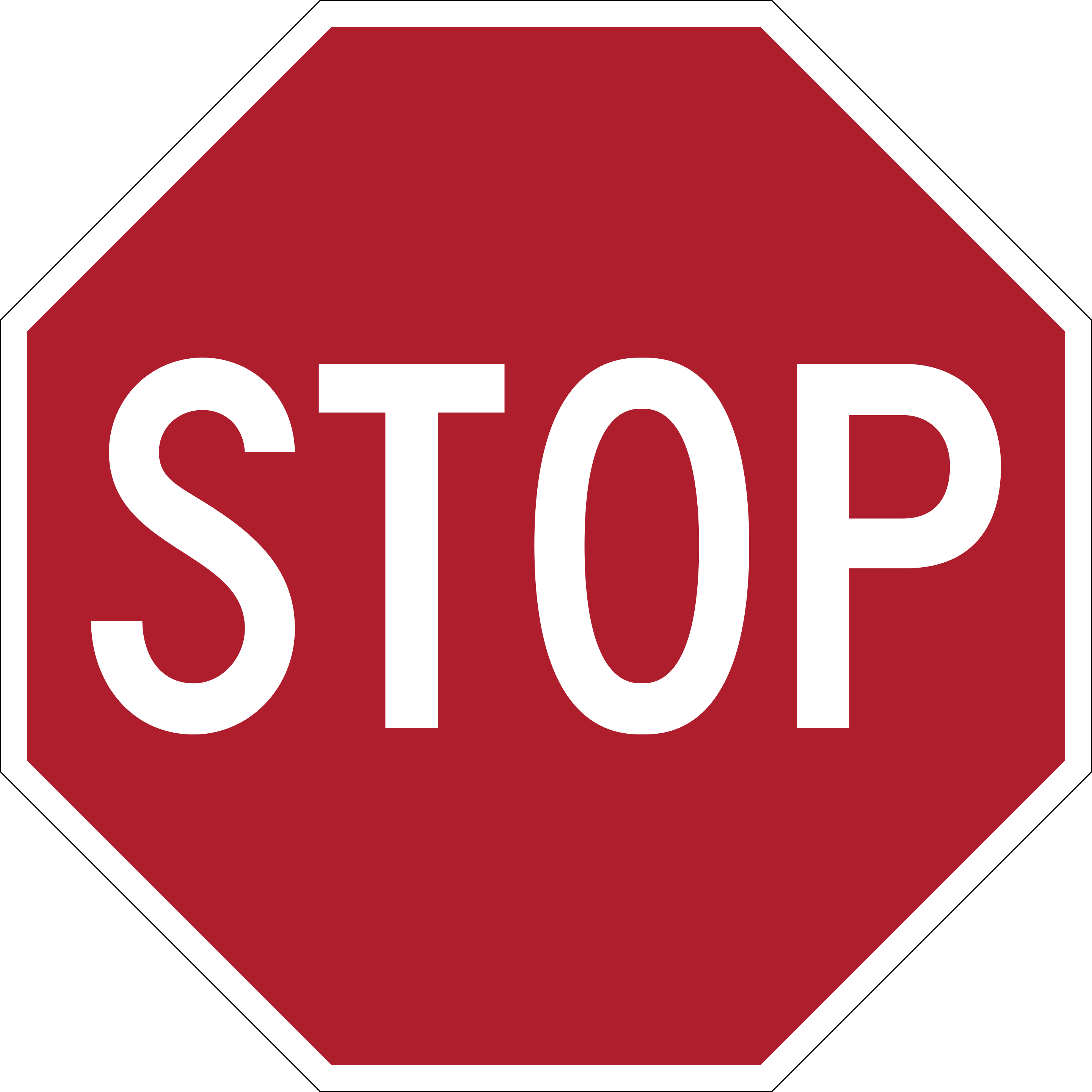 Stop
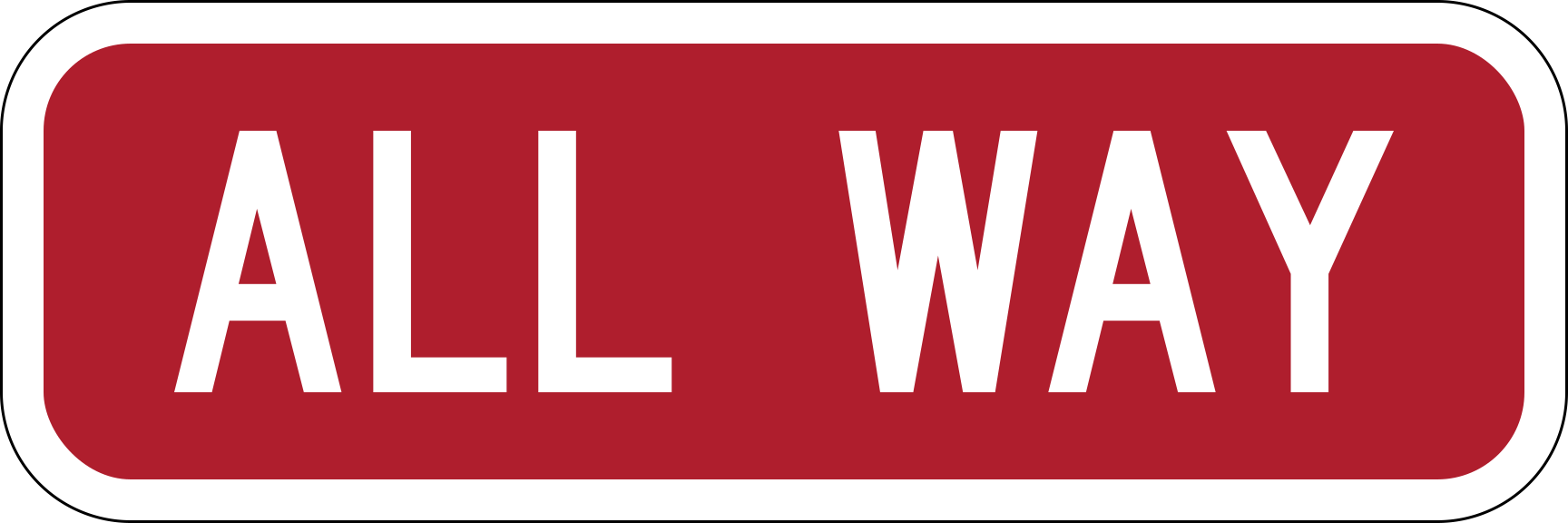 All-Way plaque
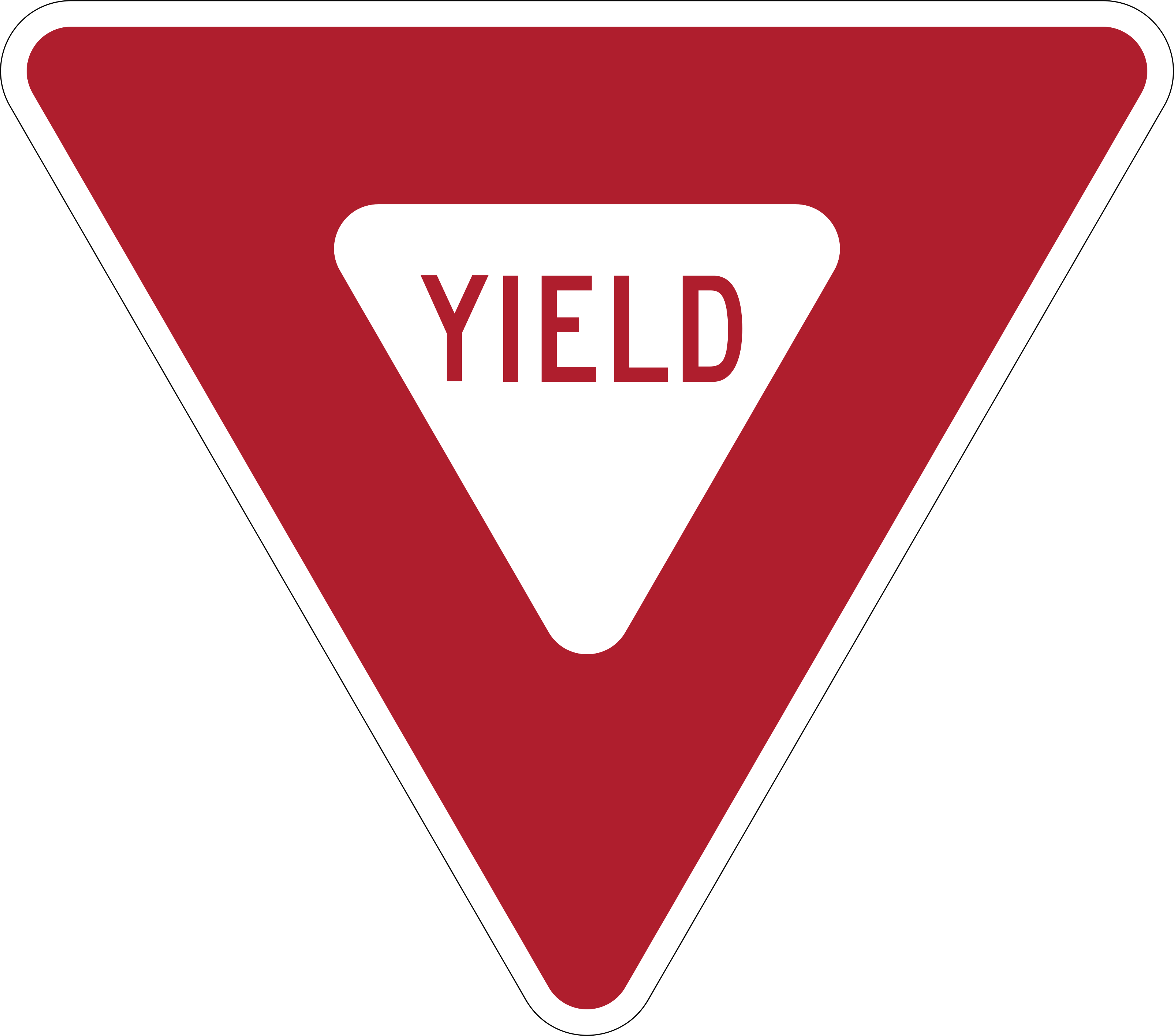 Yield
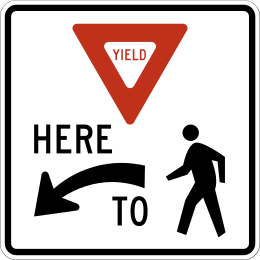 Yield Here to Pedestrians
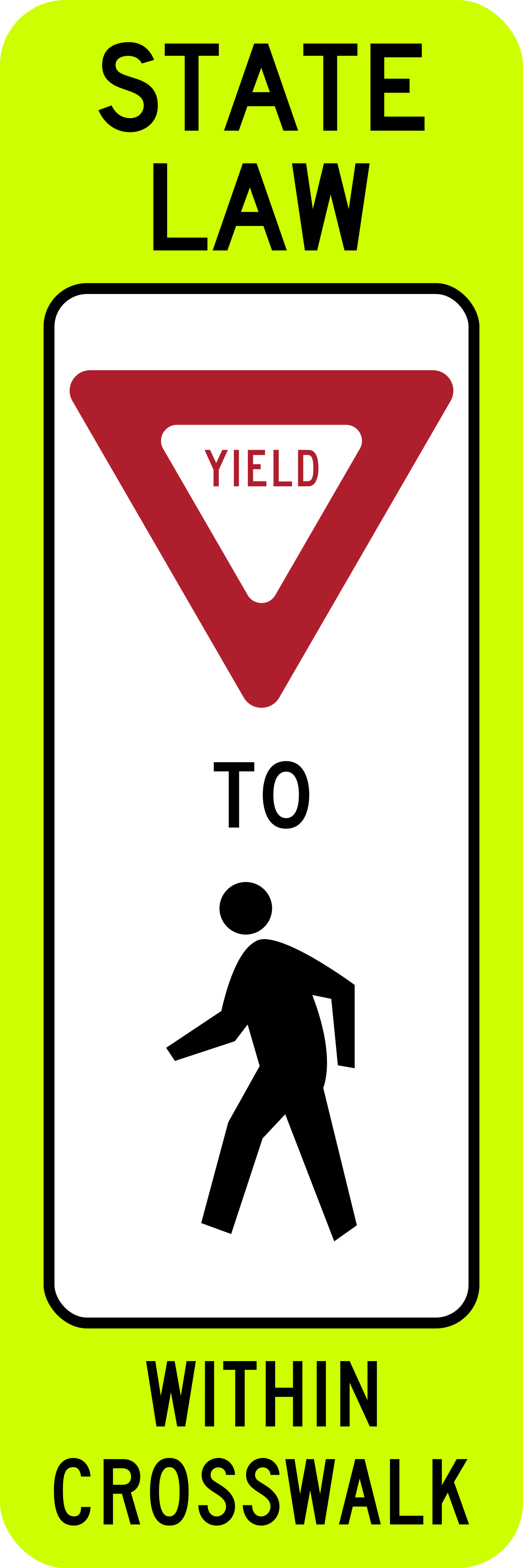 In-Street Pedestrian Crossing
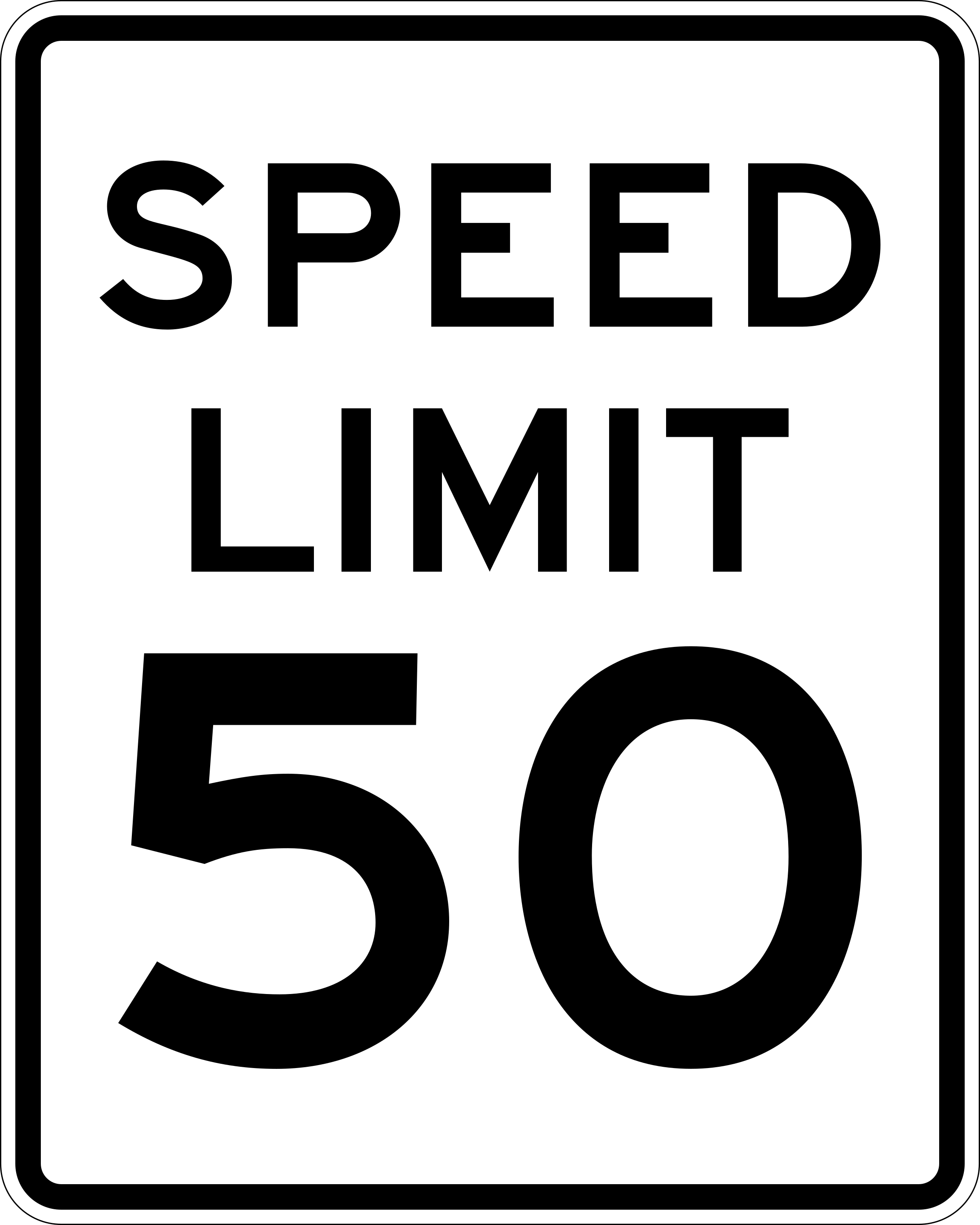 Speed Limit
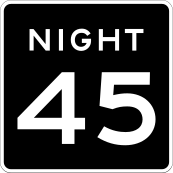 Night Speed Limit
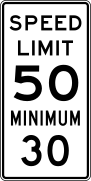 Combined Maximum and Minimum Speed Limits
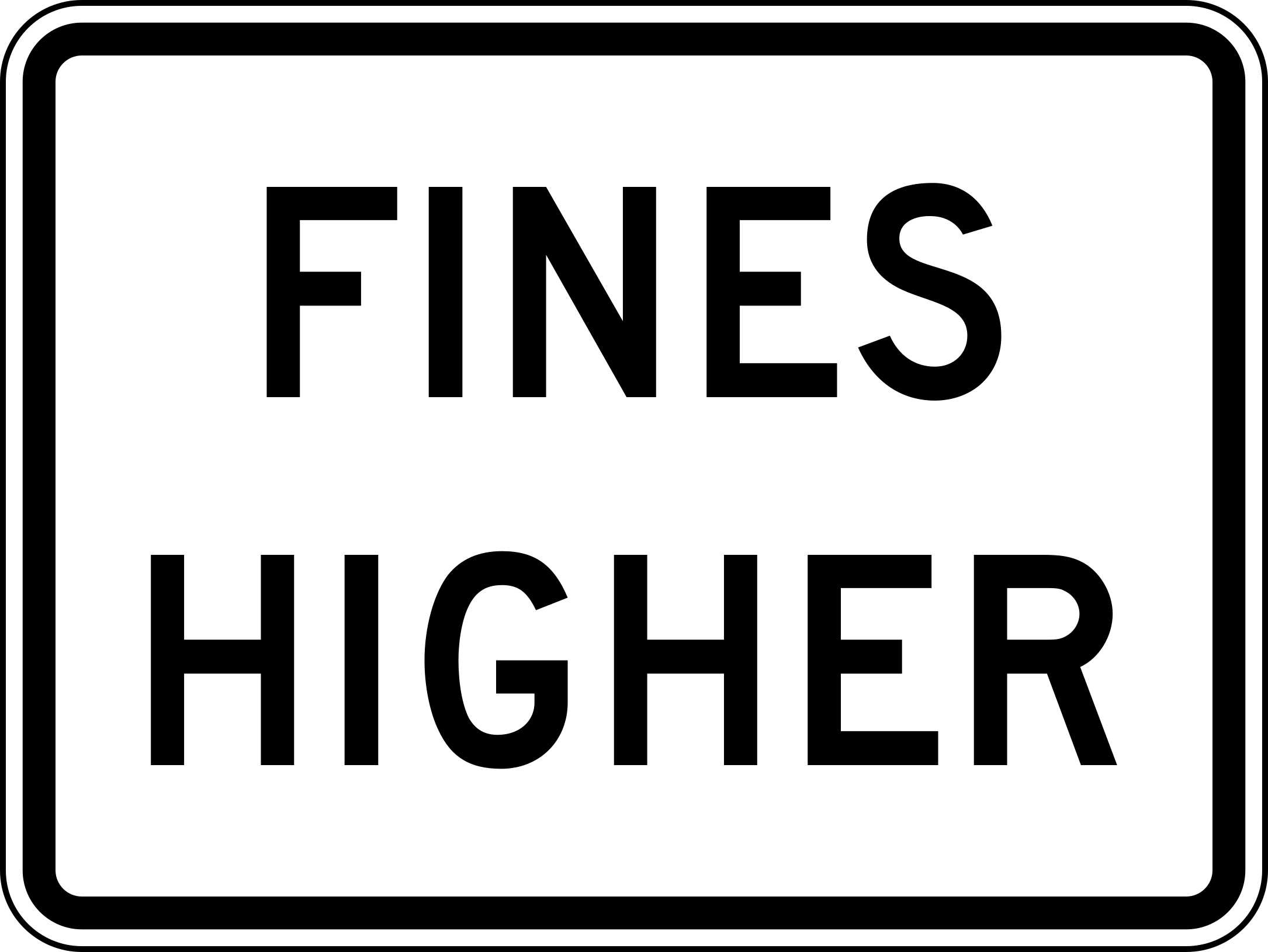 Fines Higher plaque
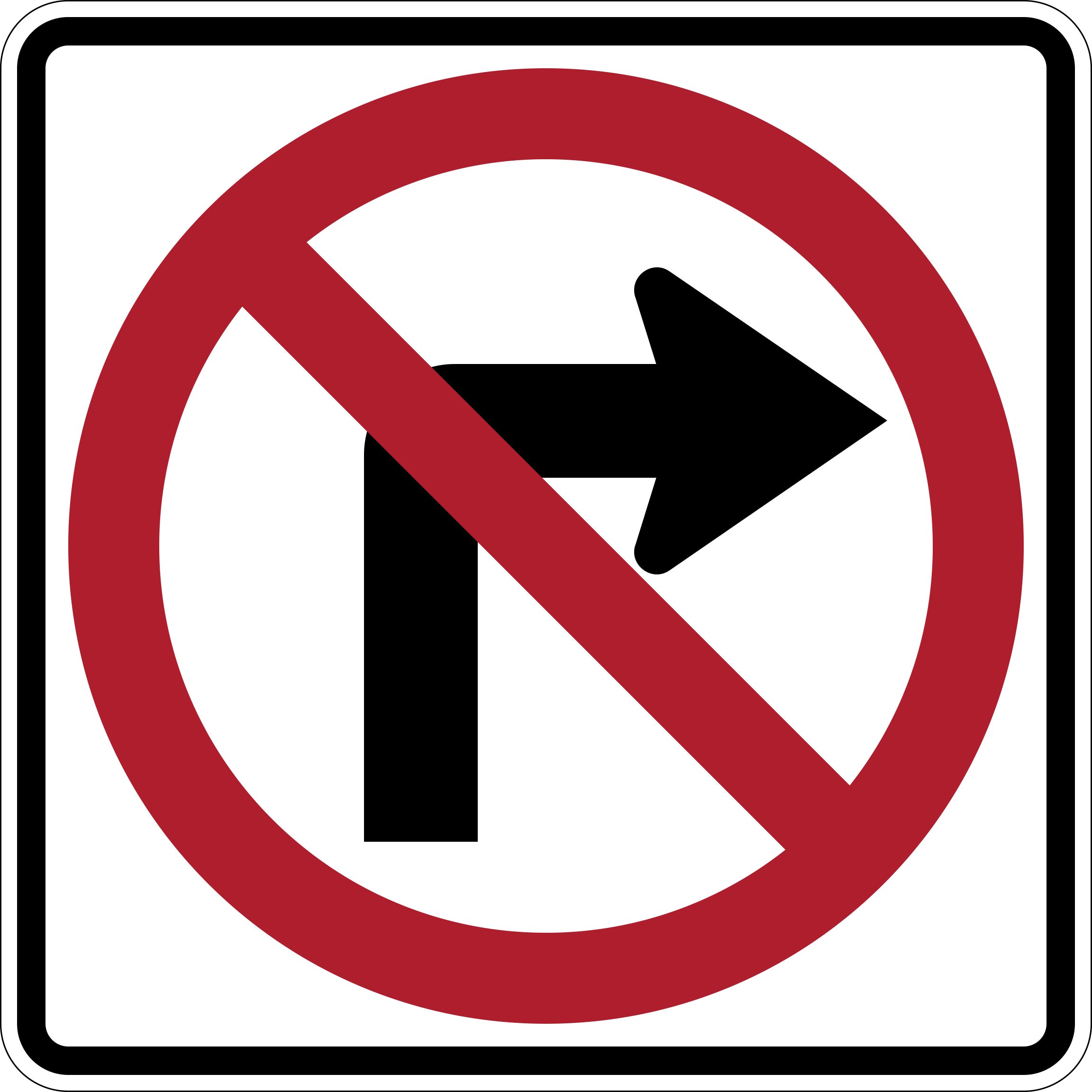 No Right Turn
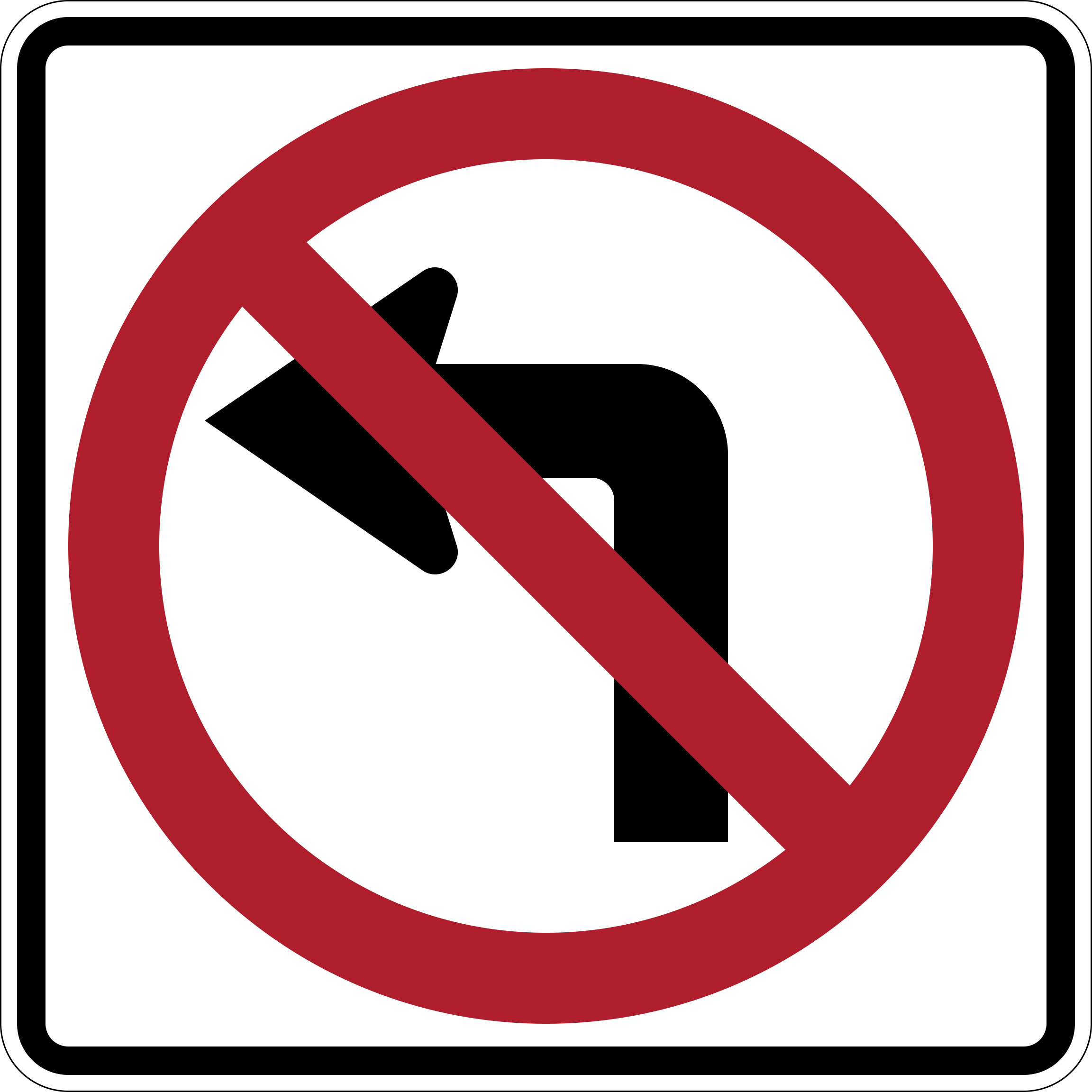 No Left Turn
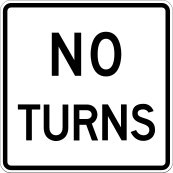 No Turns
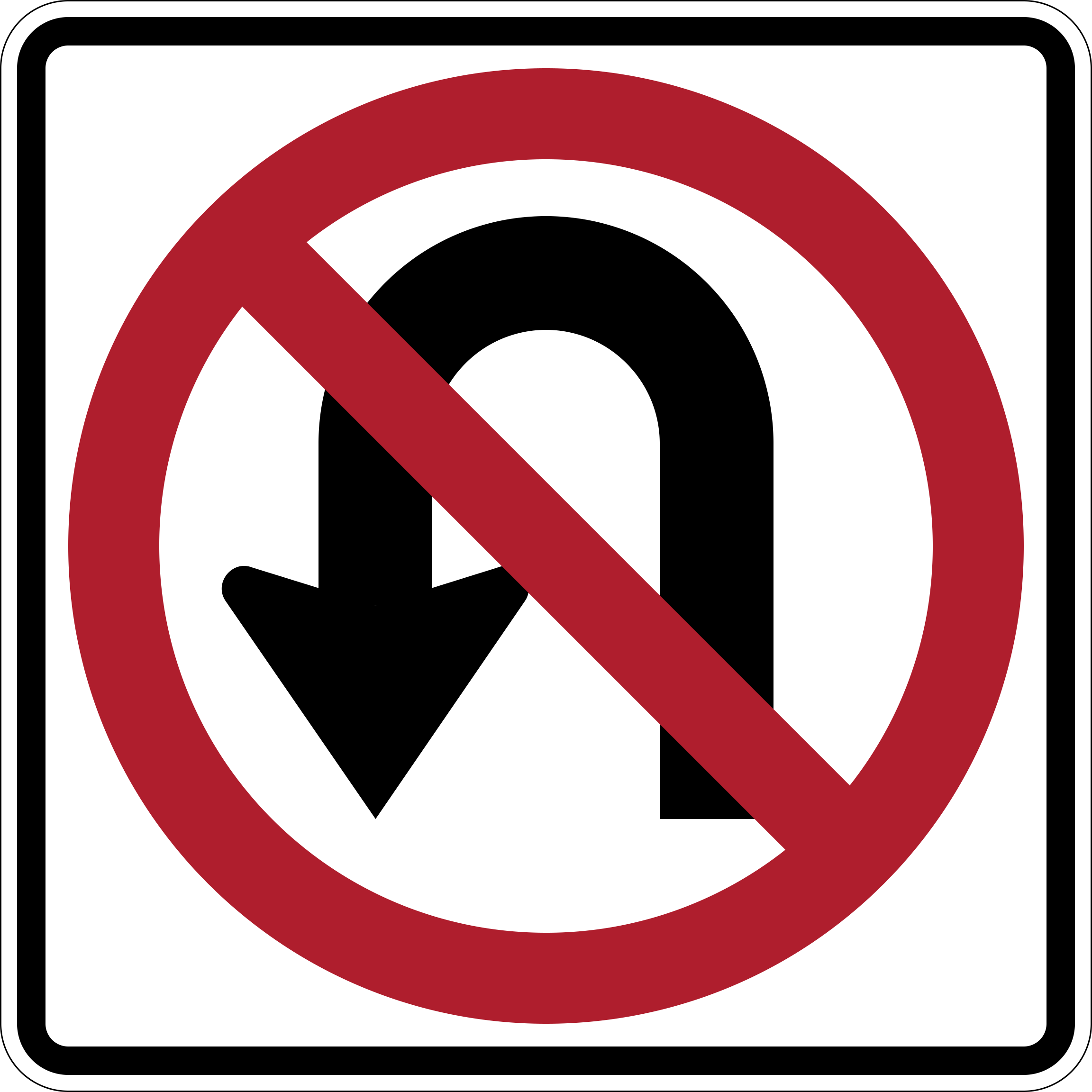 No U-Turn
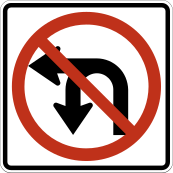 No U-Turn or Left Turn
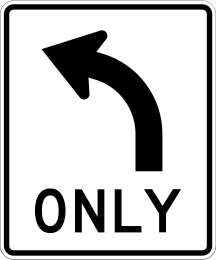 Left Turn Only (lane control)
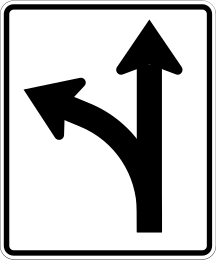 Optional Movement Lane Control
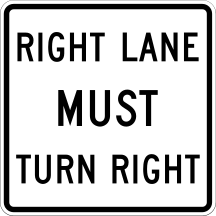 Right Lane Must Turn Right
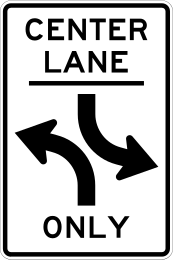 Two-Way Left-Turn-Only (center lane)
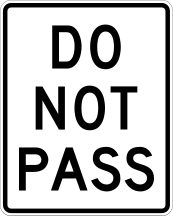 Do Not Pass
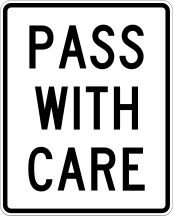 Pass With Care
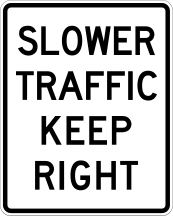 Slower Traffic Keep Right
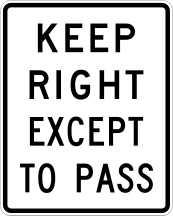 Keep Right Except to Pass
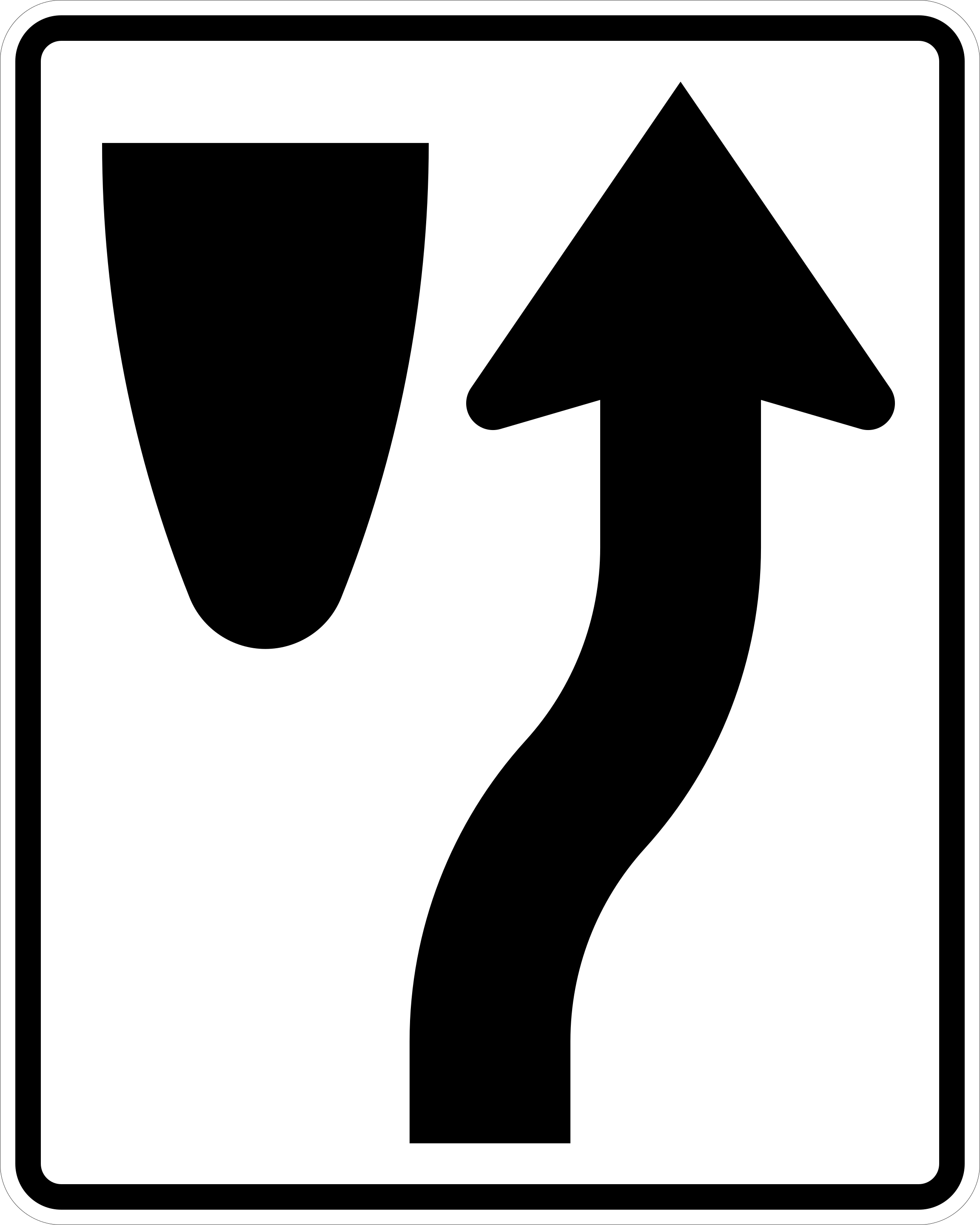 Keep Right
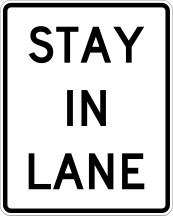 Stay in Lane
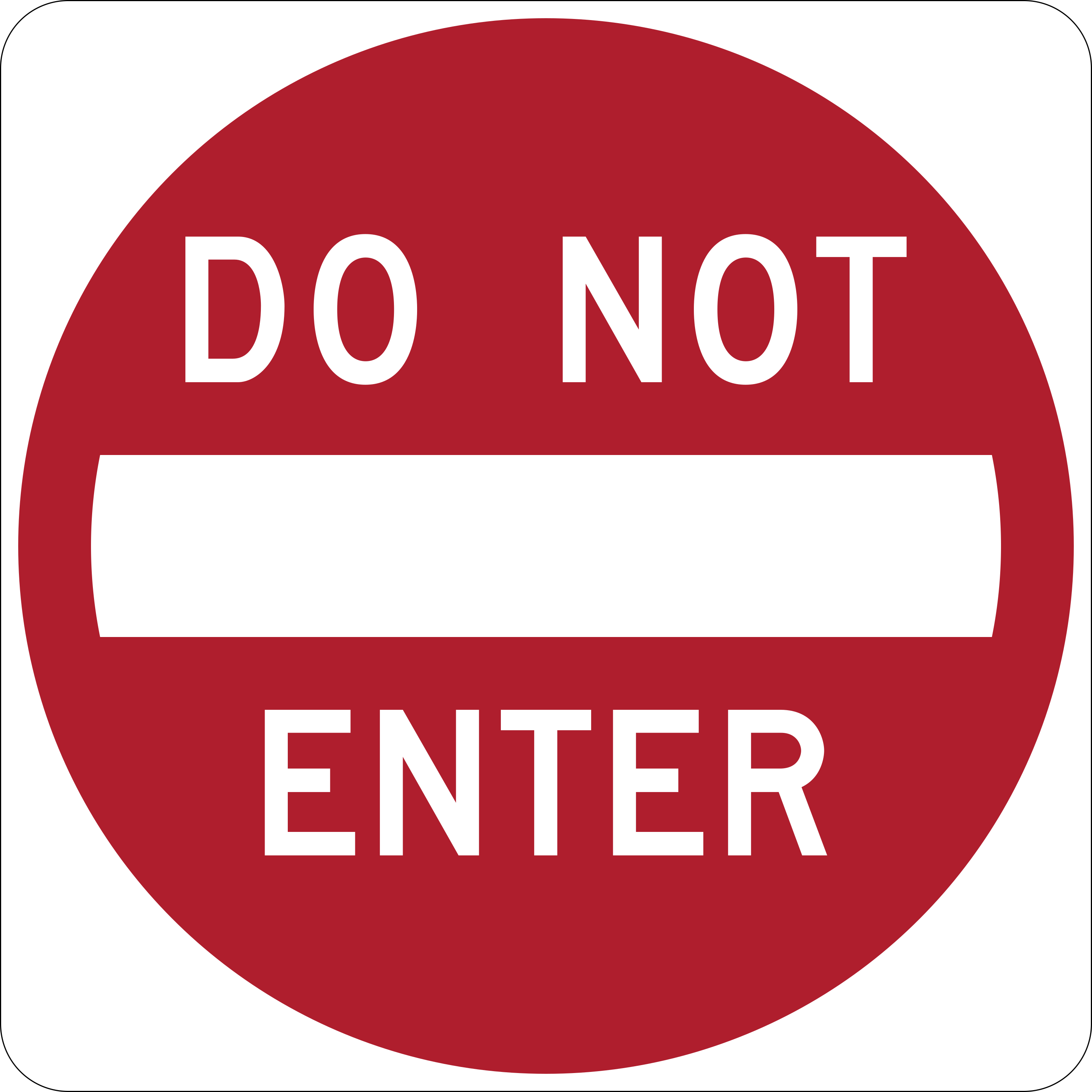 Do Not Enter
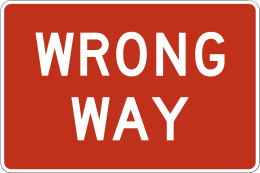 Wrong Way
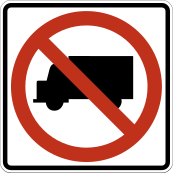 No Trucks
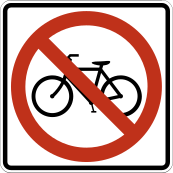 No Bicycles
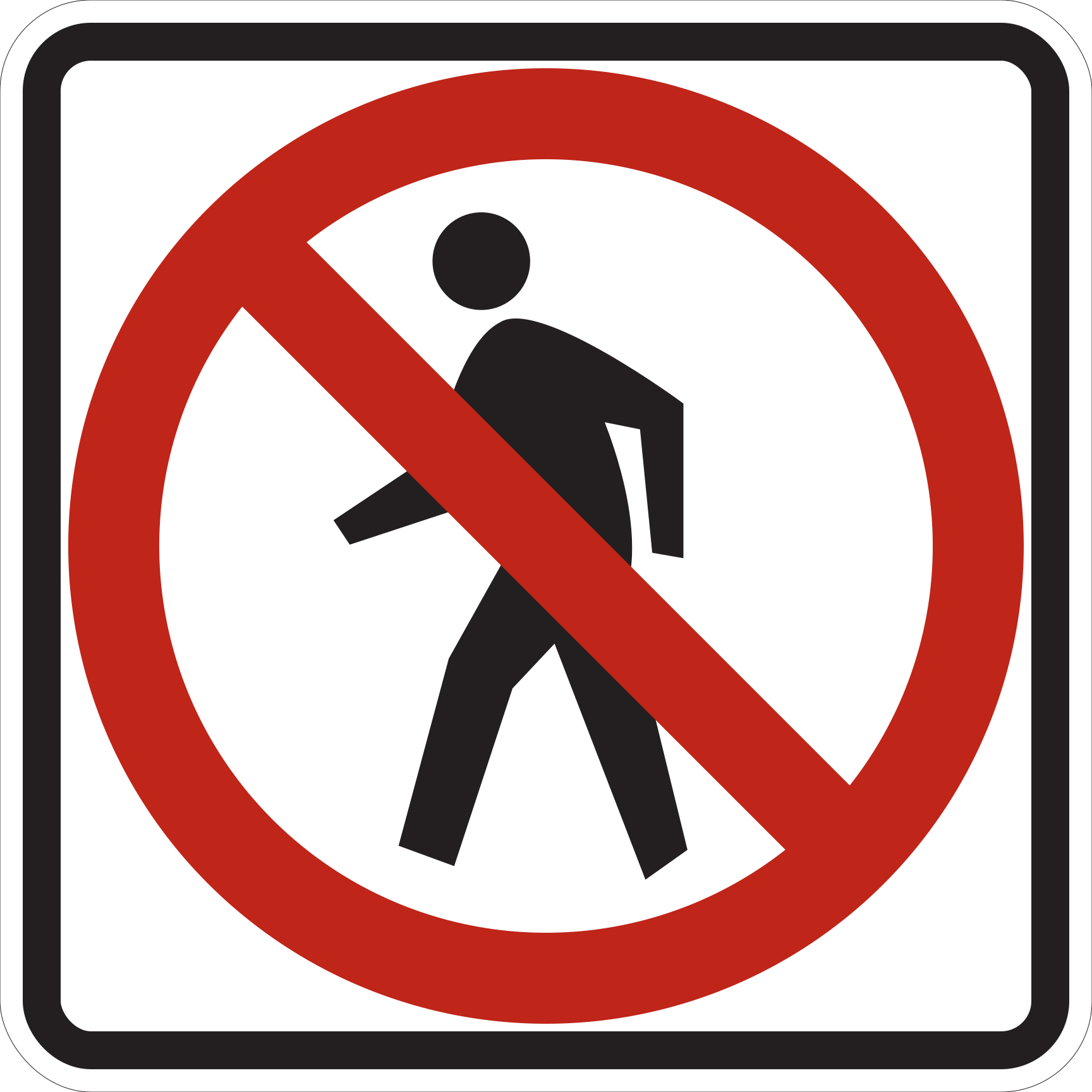 No Pedestrian Crossing
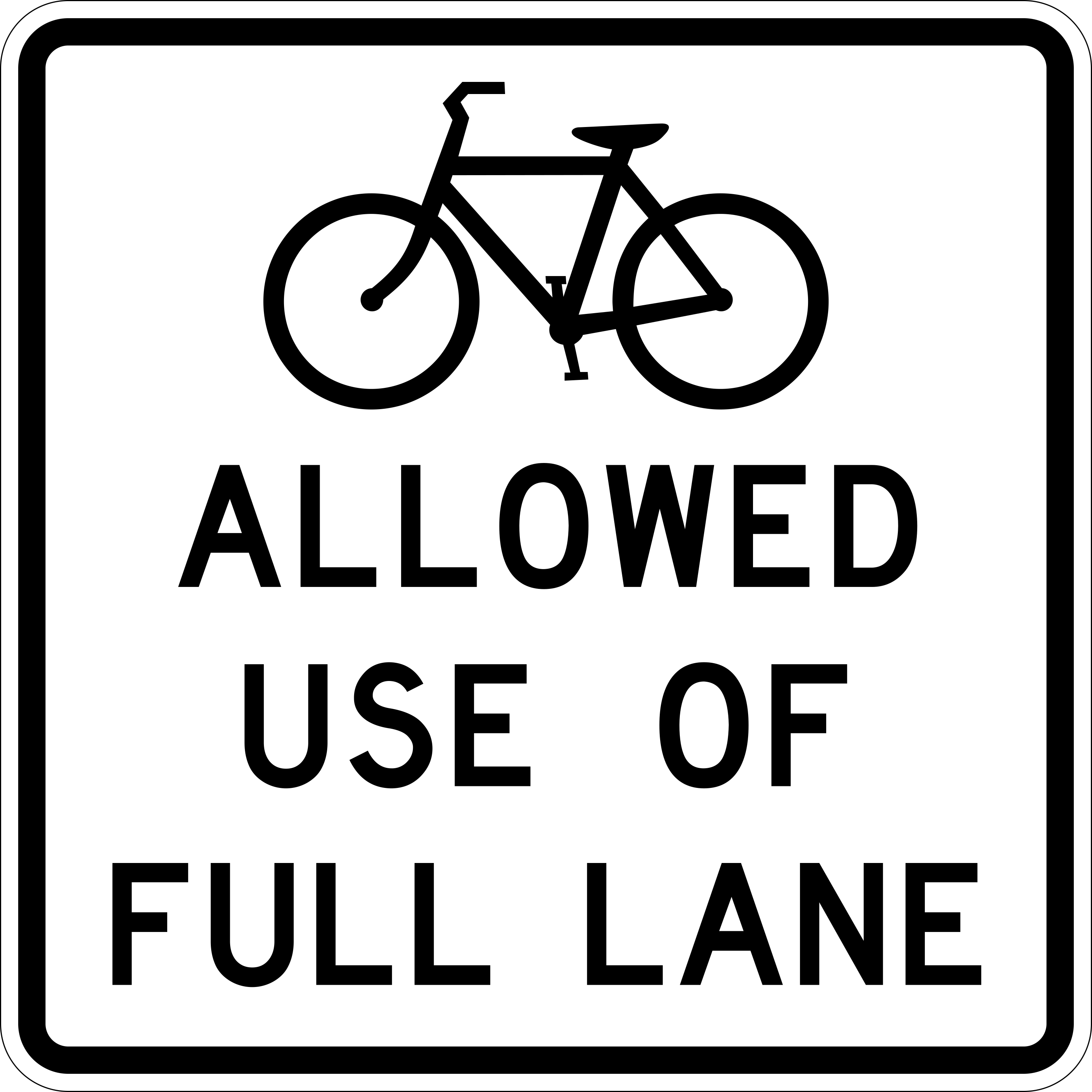 Bicycles Allowed Use of Full Lane
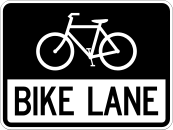 Bike Lane
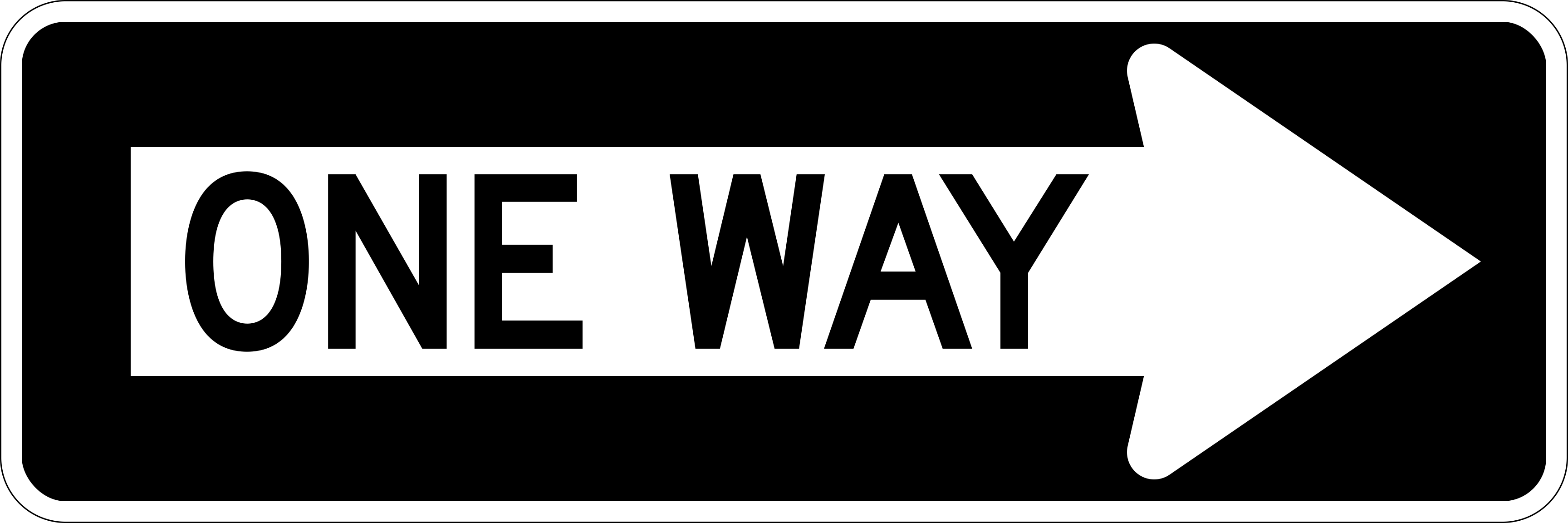 One Way (horizontal)
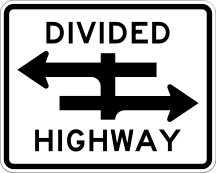 Divided Highway Crossing
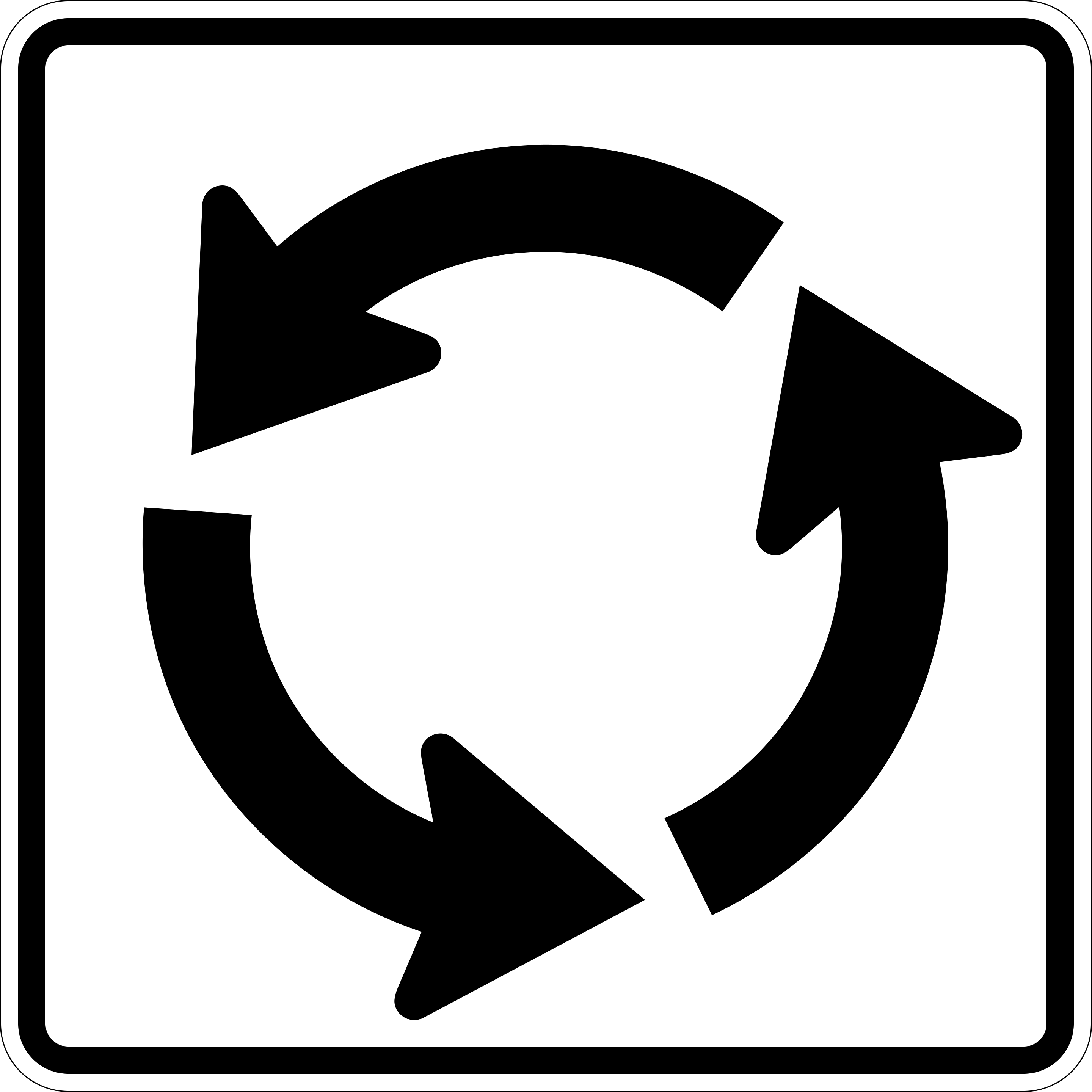 Roundabout Circulation plaque
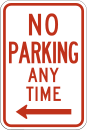 No Parking Any Time
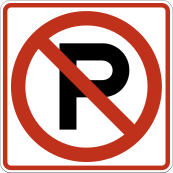 No Parking (symbol)
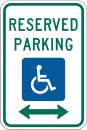 Reserved Parking (accessible)
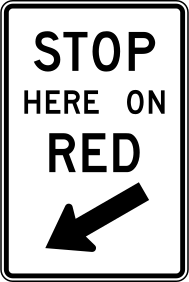 Stop Here on Red
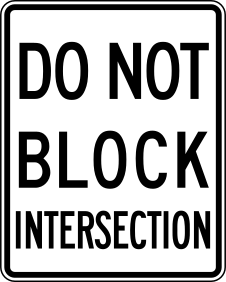 Do Not Block Intersection
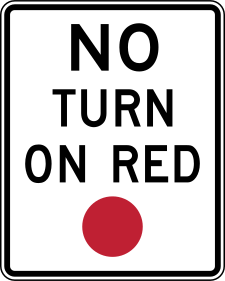 No Turn on Red
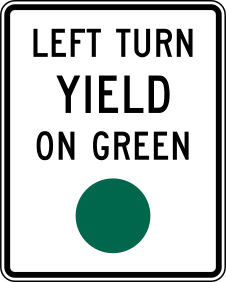 Left Turn Yield on Green
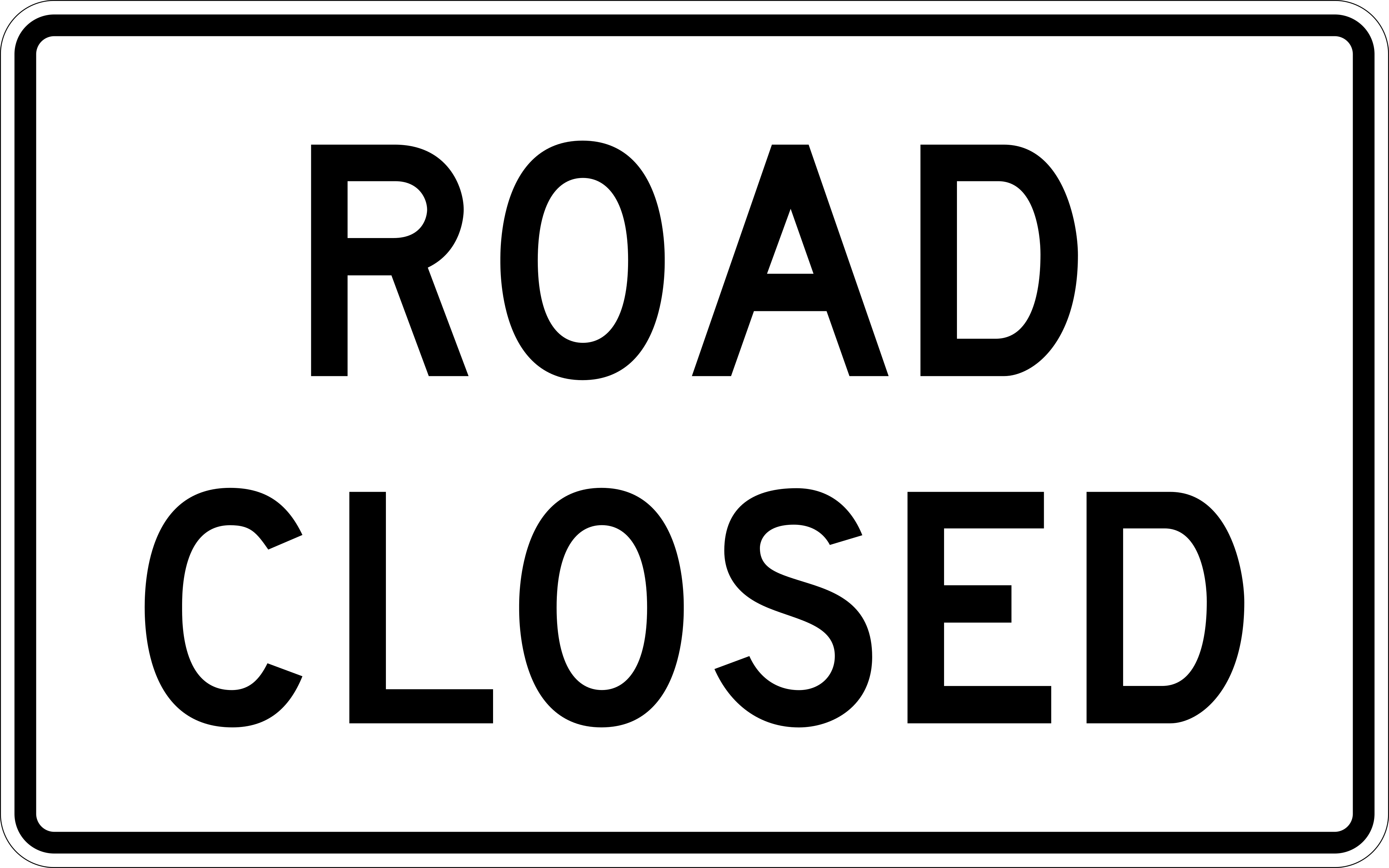 Road Closed
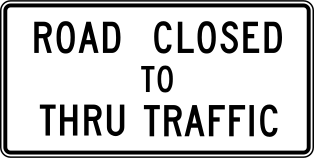 Road Closed to Thru Traffic
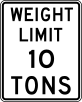 Weight Limit
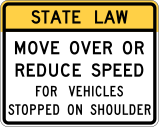 Move Over or Reduce Speed
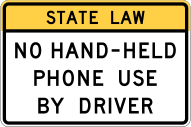 No Hand-Held Phone Use by Driver
Warning signs
Warn you of hazards or changes ahead: curves, intersections, merging traffic, pedestrians and animals. Usually yellow diamonds.
 Turn
 Curve
 Reverse Turn
 Reverse Curve
 Winding Road
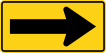 One-Direction Large Arrow
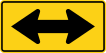 Two-Direction Large Arrow
 Chevron Alignment
 Advisory Speed plaque
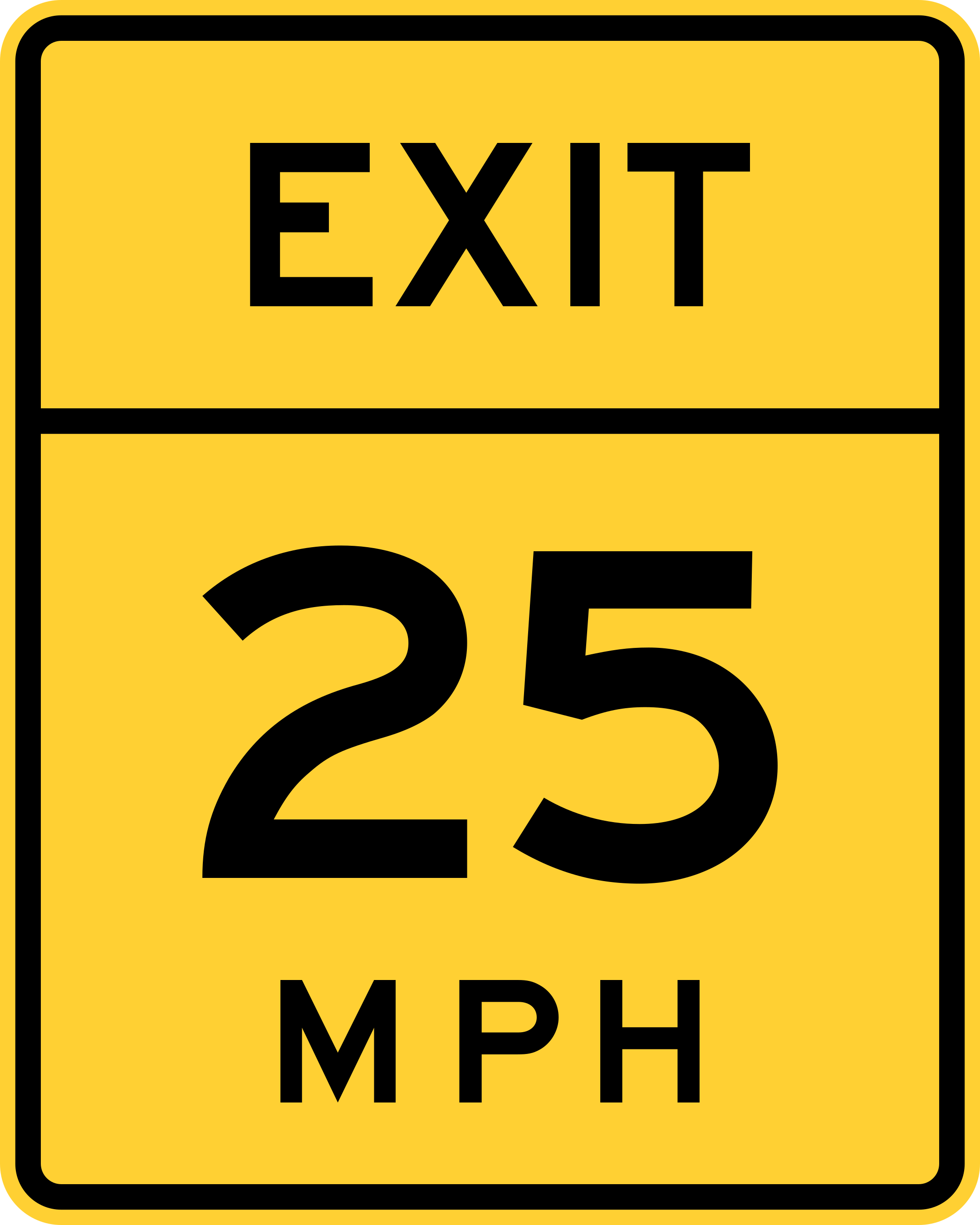 Advisory Exit Speed
 Cross Road
 Side Road
 T-Intersection
 Y-Intersection
 Circular Intersection
 Stop Ahead
 Yield Ahead
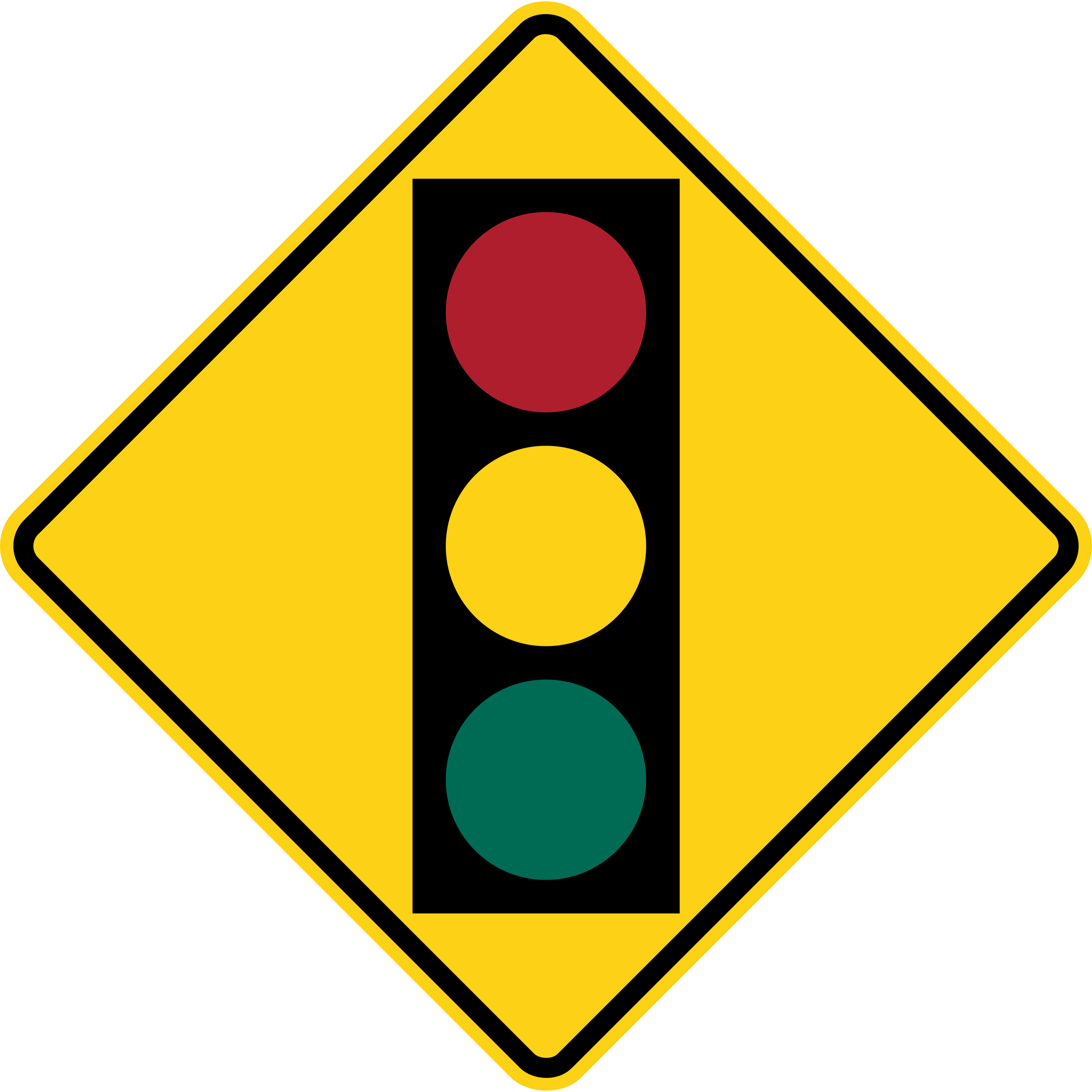 Signal Ahead
 Be Prepared to Stop
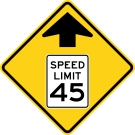 Reduced Speed Limit Ahead
 Merge
 Lane Ends
 Right (Left) Lane Ends
 Added Lane
 Cross Traffic Does Not Stop plaque
 Road Narrows
 Narrow Bridge
 One Lane Bridge
 Divided Highway
 Divided Highway Ends
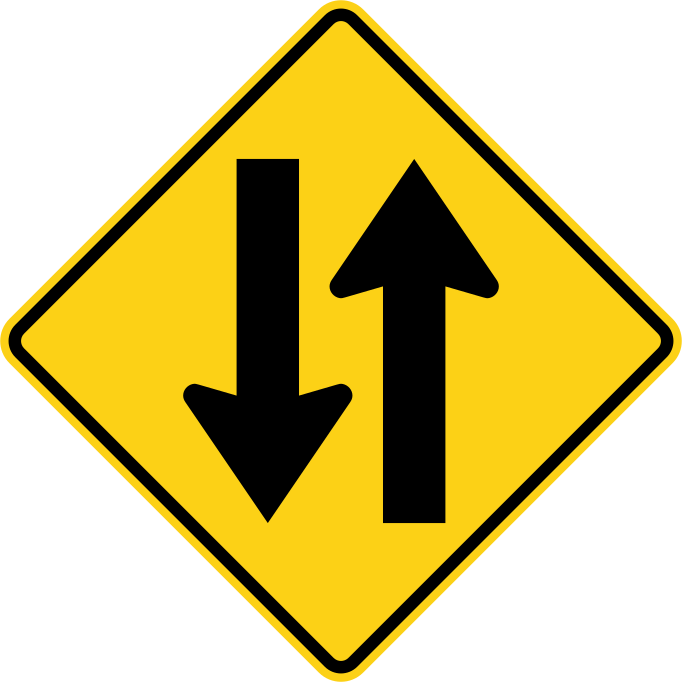 Two-Way Traffic
 Hill
 Bump
 Dip
 Speed Hump
 Pavement Ends
 Soft Shoulder
 Low Shoulder
 Shoulder Drop-Off
 Slippery When Wet
 Loose Gravel
 Uneven Lanes
 Bridge Ices Before Road
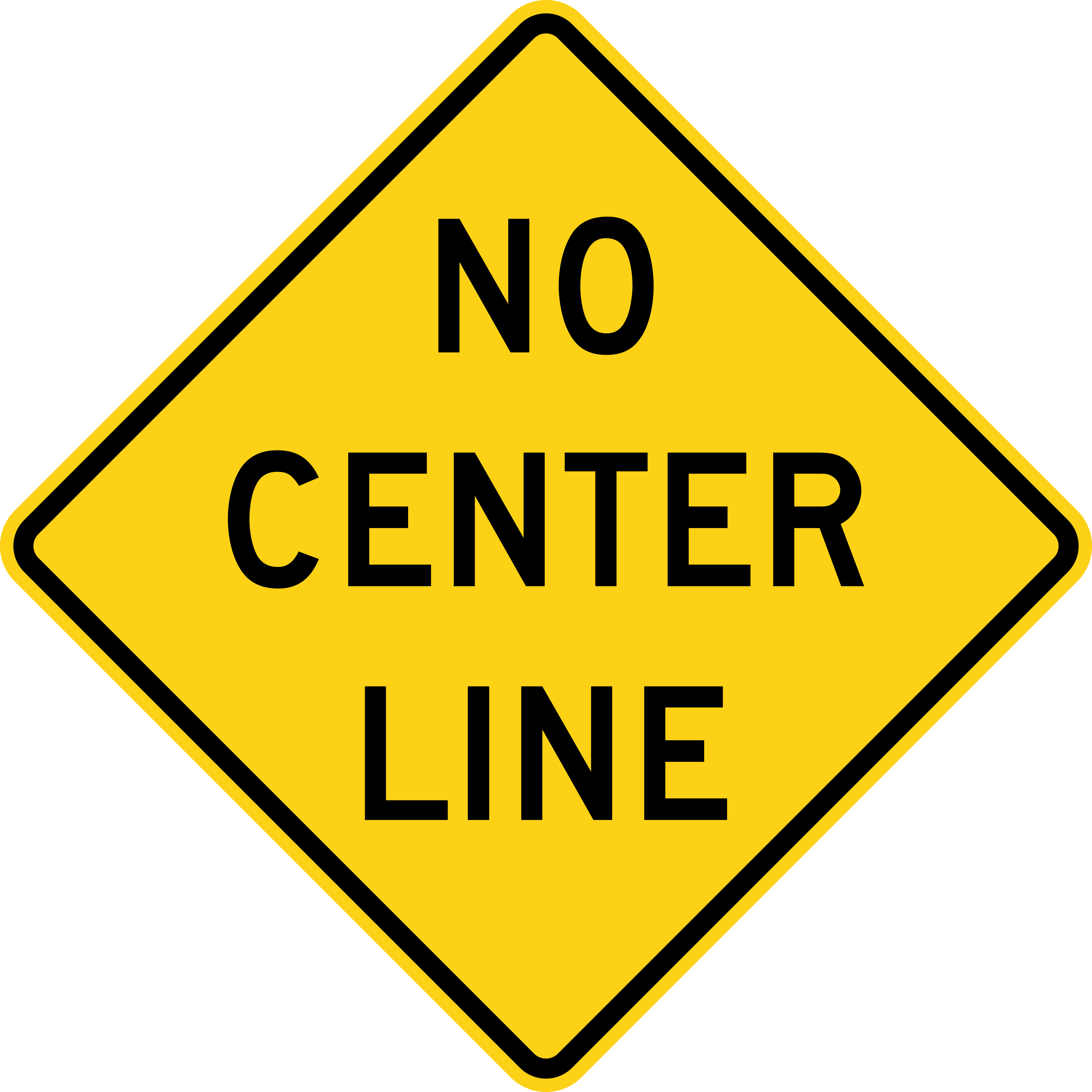 No Center Line
 Bicycle Warning
 Pedestrian Warning
 Deer Crossing
 Cattle Crossing
 Farm Vehicle
 Emergency Vehicle
 Truck Crossing
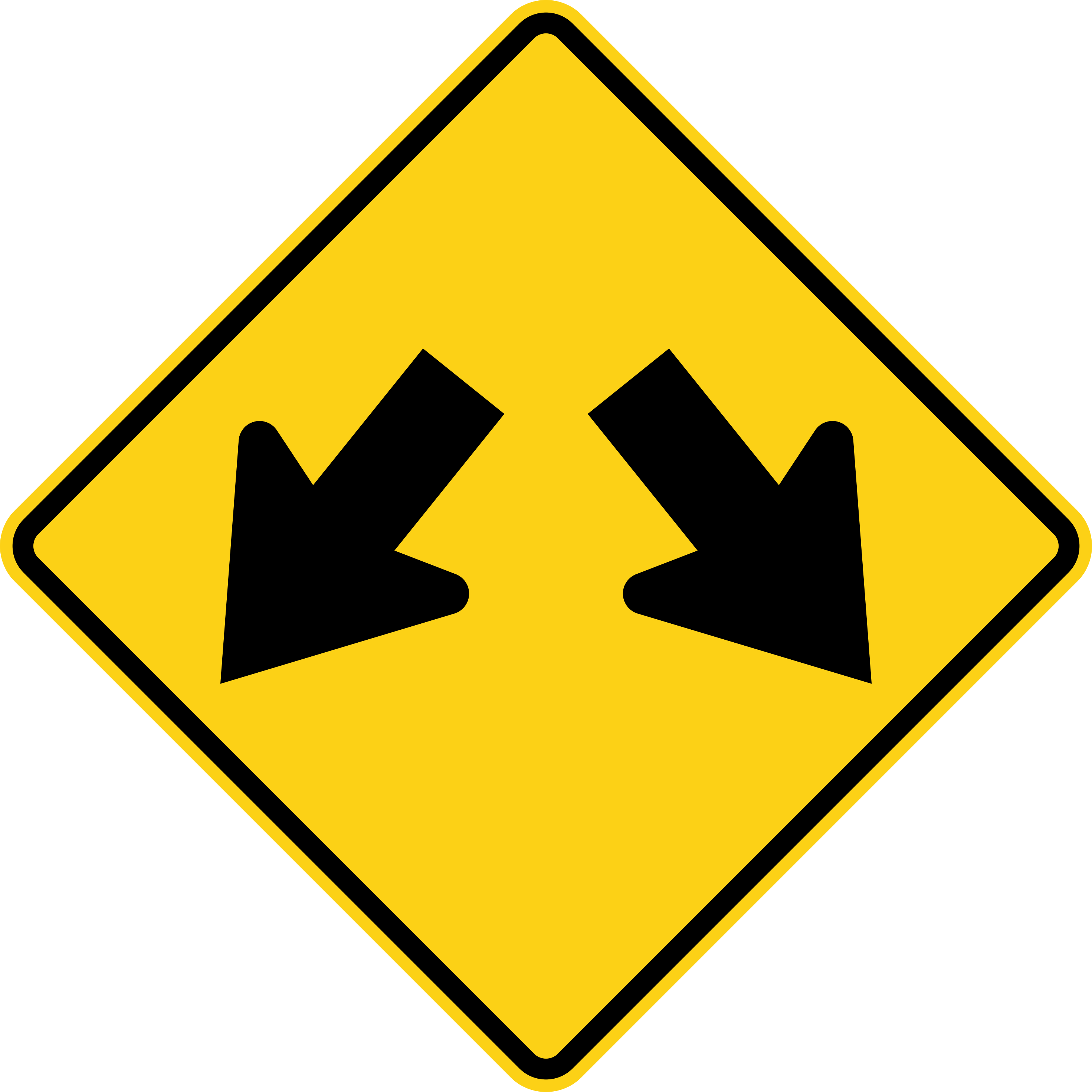 Double Arrow
 Low Clearance
 Dead End
 No Outlet
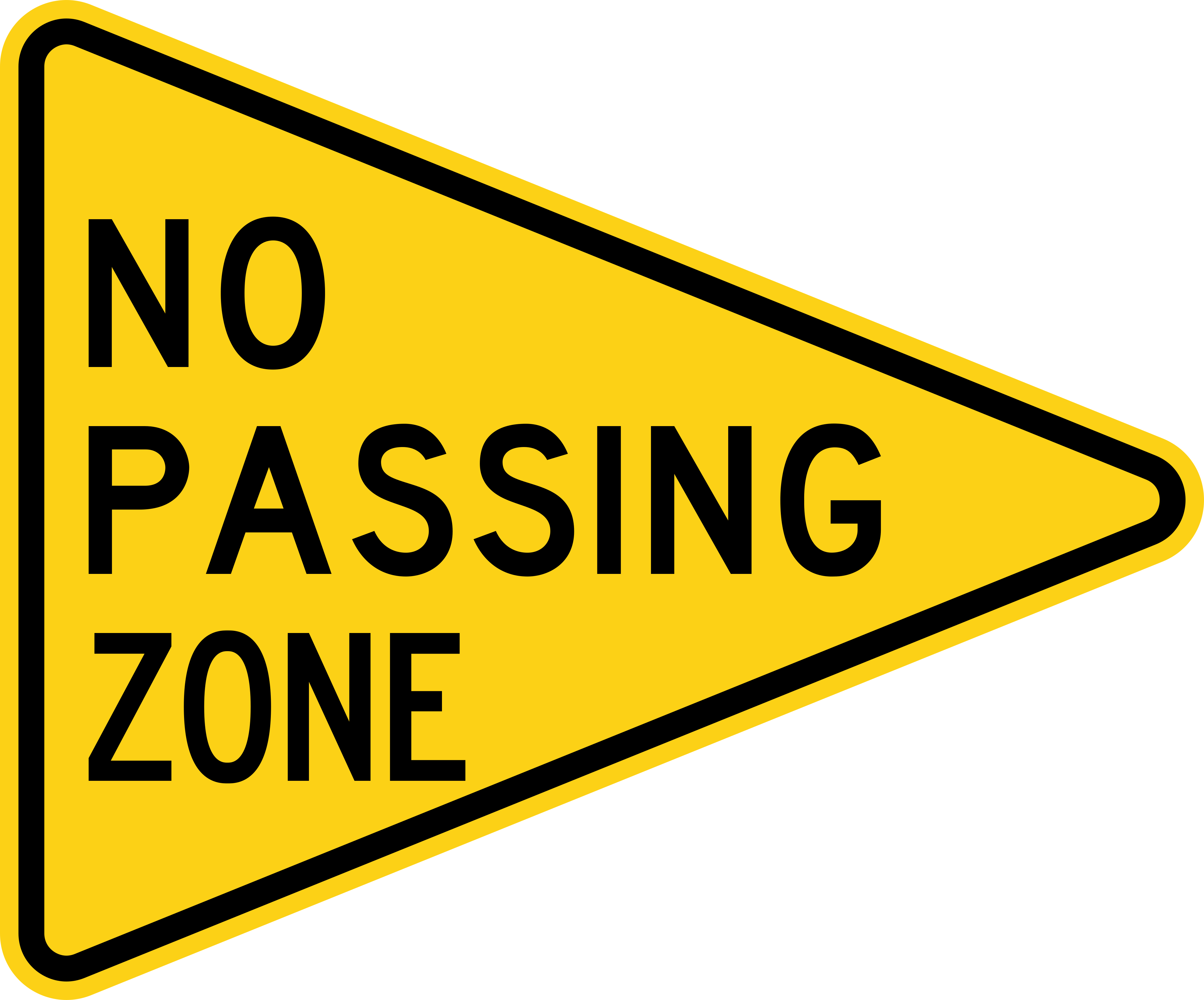 No Passing Zone
 Playground
 Diagonal Downward Arrow plaque
School signs
Mark school zones and crossings, where children may be near the road. Fluorescent yellow-green.
 School
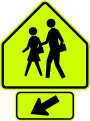 School Crossing assembly
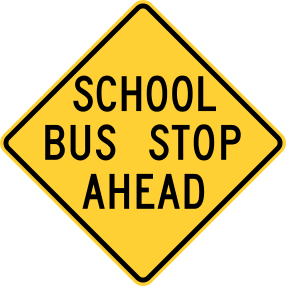 School Bus Stop Ahead
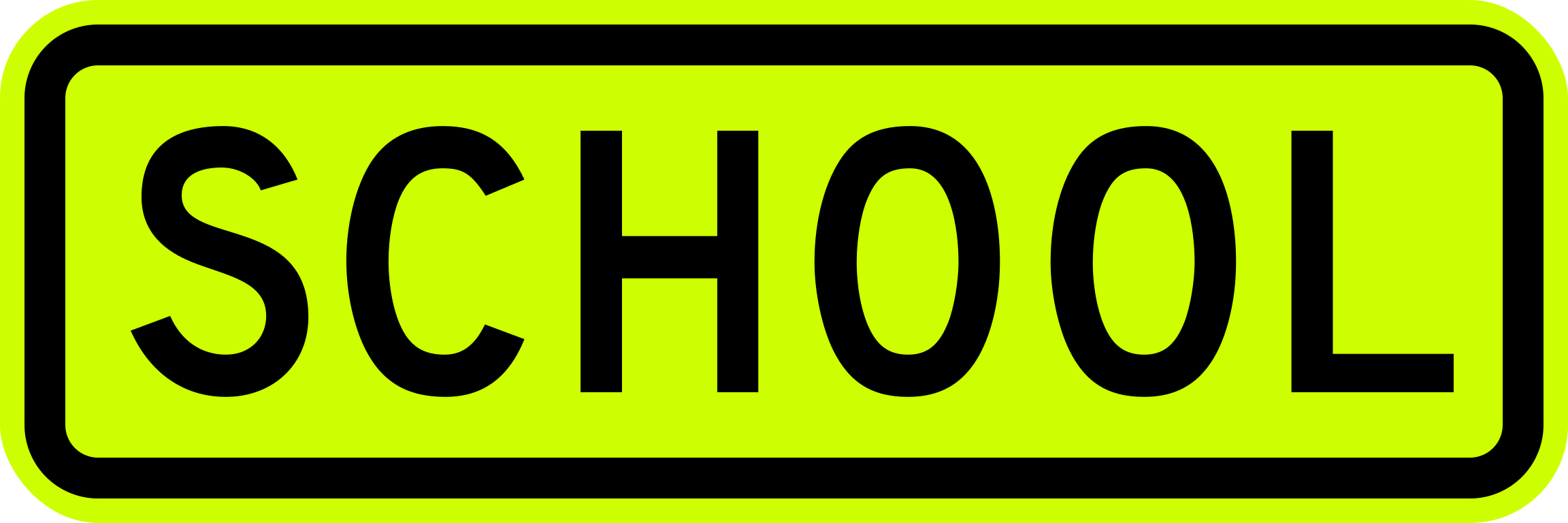 School plaque
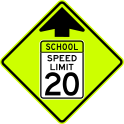 Reduced School Speed Limit Ahead
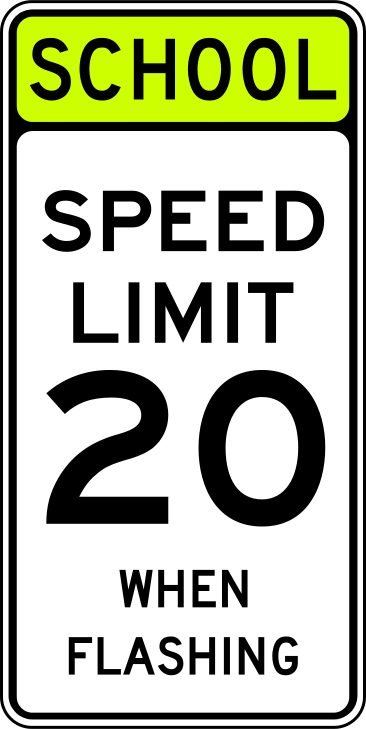 School Speed Limit When Flashing
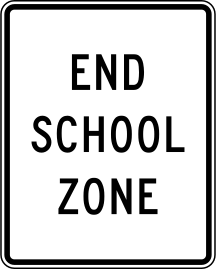 End School Zone
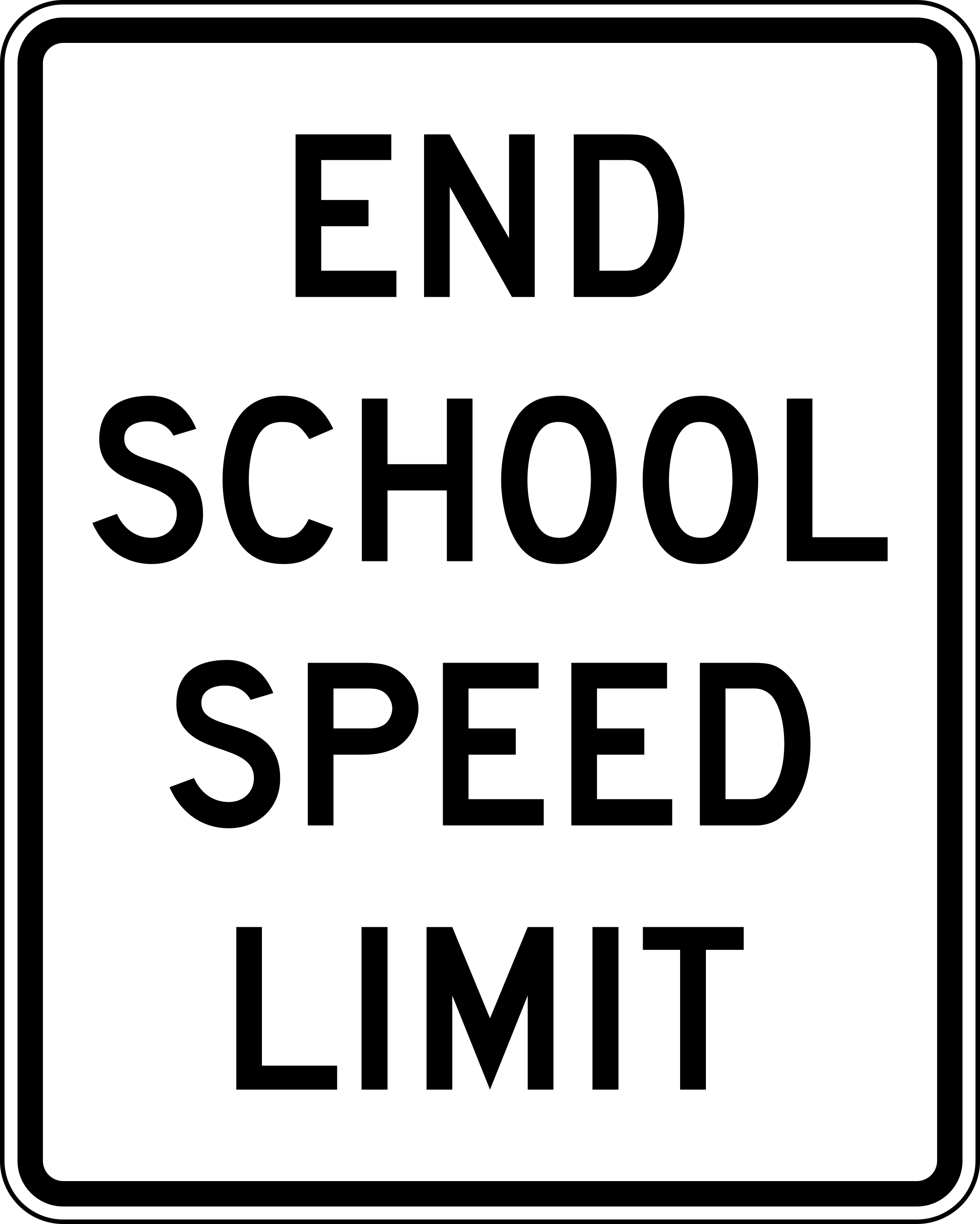 End School Speed Limit
Work zone signs
Warn of road work ahead. Usually orange; fines are often higher in work zones.
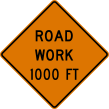 Road Work Ahead
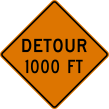 Detour Ahead
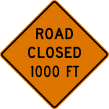 Road Closed Ahead
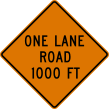 One Lane Road Ahead
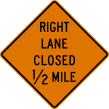 Right (Left) Lane Closed Ahead
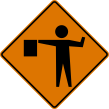 Flagger
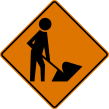 Workers
 Fresh Oil (Tar)
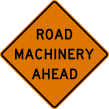 Road Machinery Ahead
 Shoulder Work
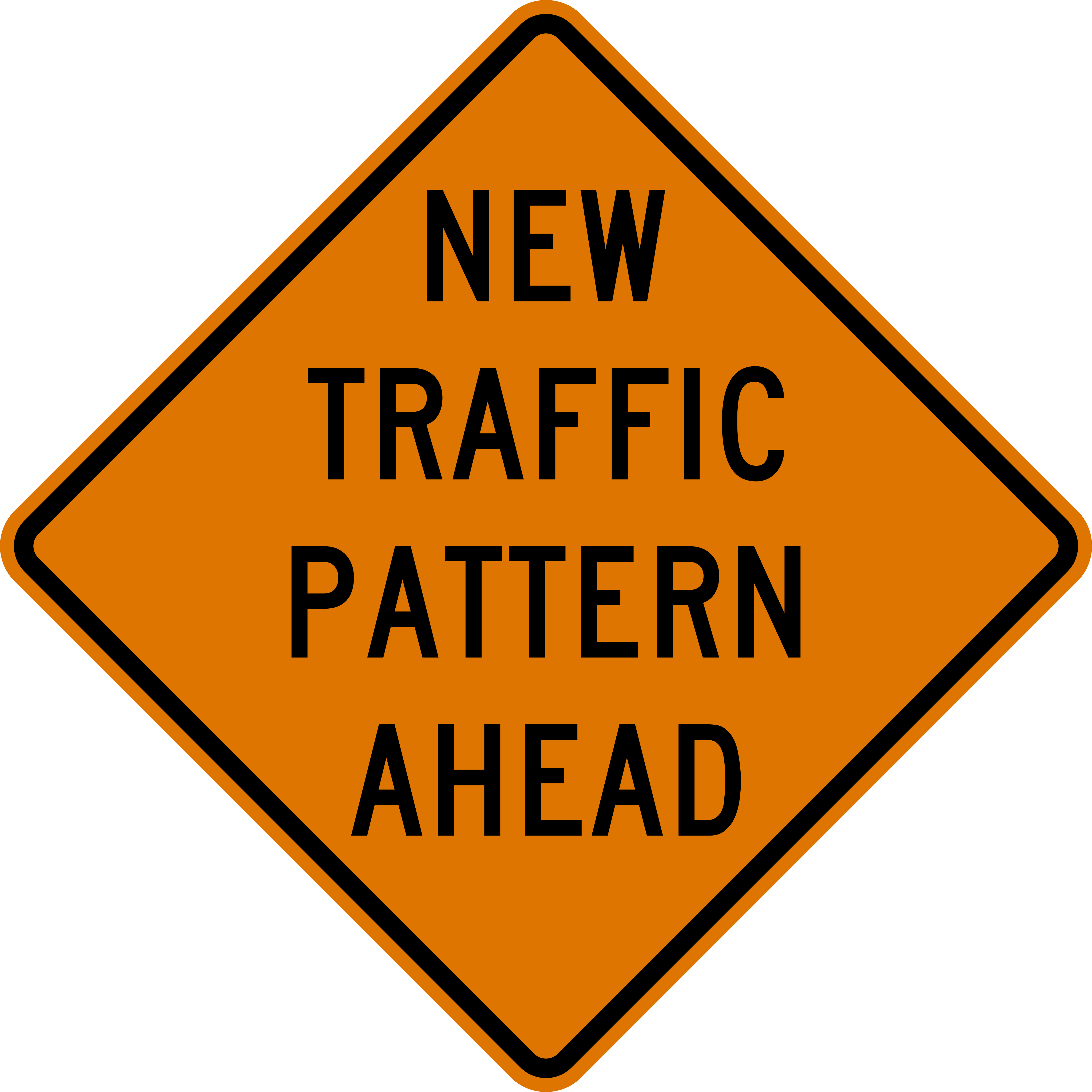 New Traffic Pattern Ahead
 Road Work Next XX Miles
 End Road Work
 Pilot Car Follow Me
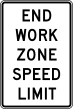 End Work Zone Speed Limit
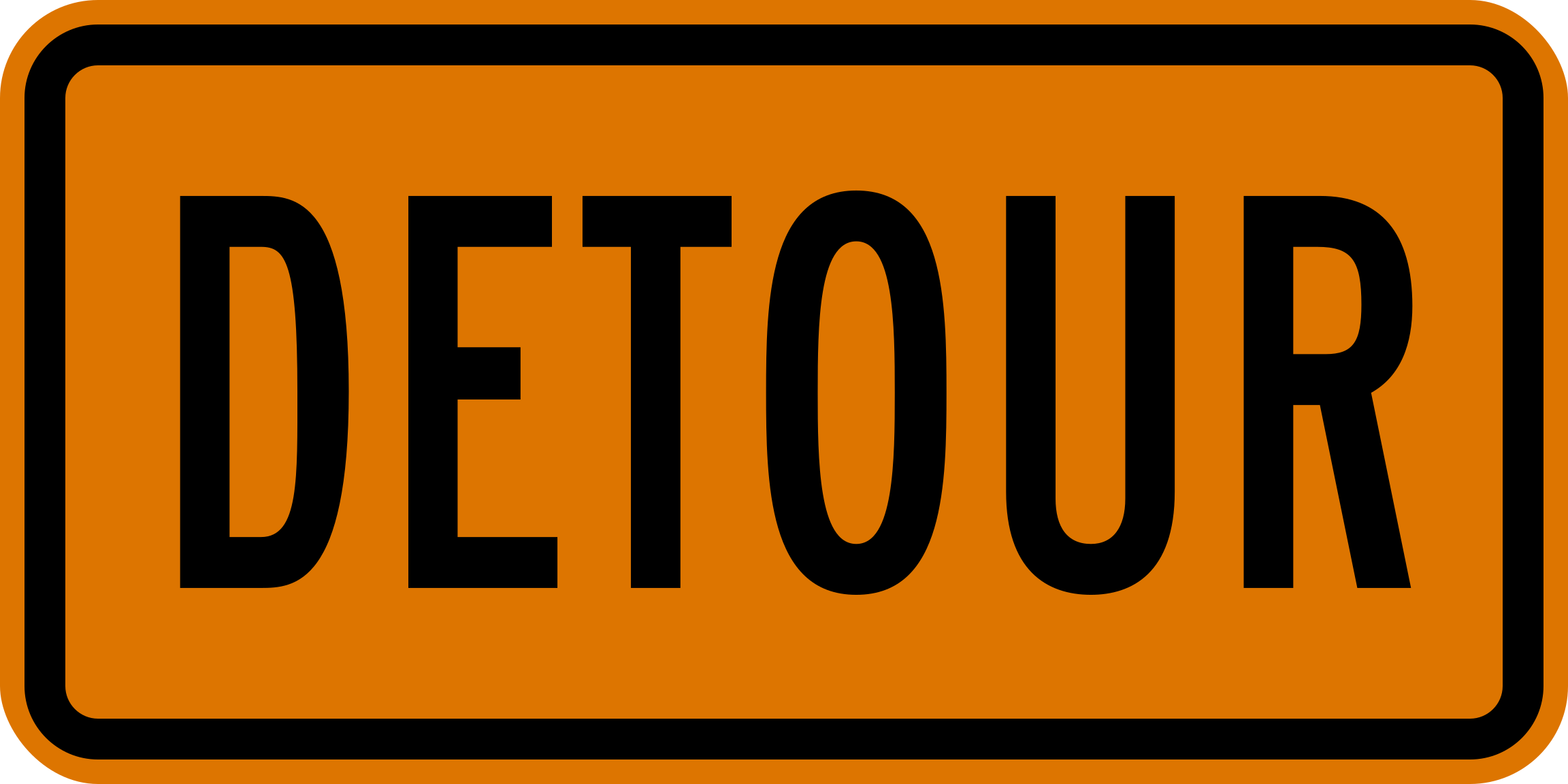 Detour
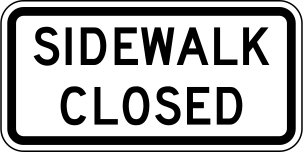 Sidewalk Closed
Railroad crossing signs
Mark railroad crossings, where trains always have the right of way.
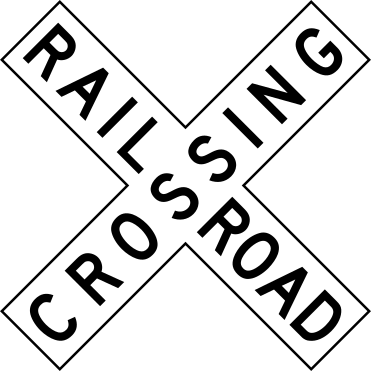 Railroad Crossing (Crossbuck)
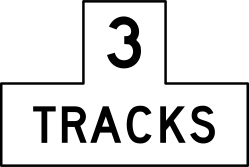 Number of Tracks plaque
 Railroad Crossing Ahead
 Parallel Track Crossing
 Low Ground Clearance Crossing
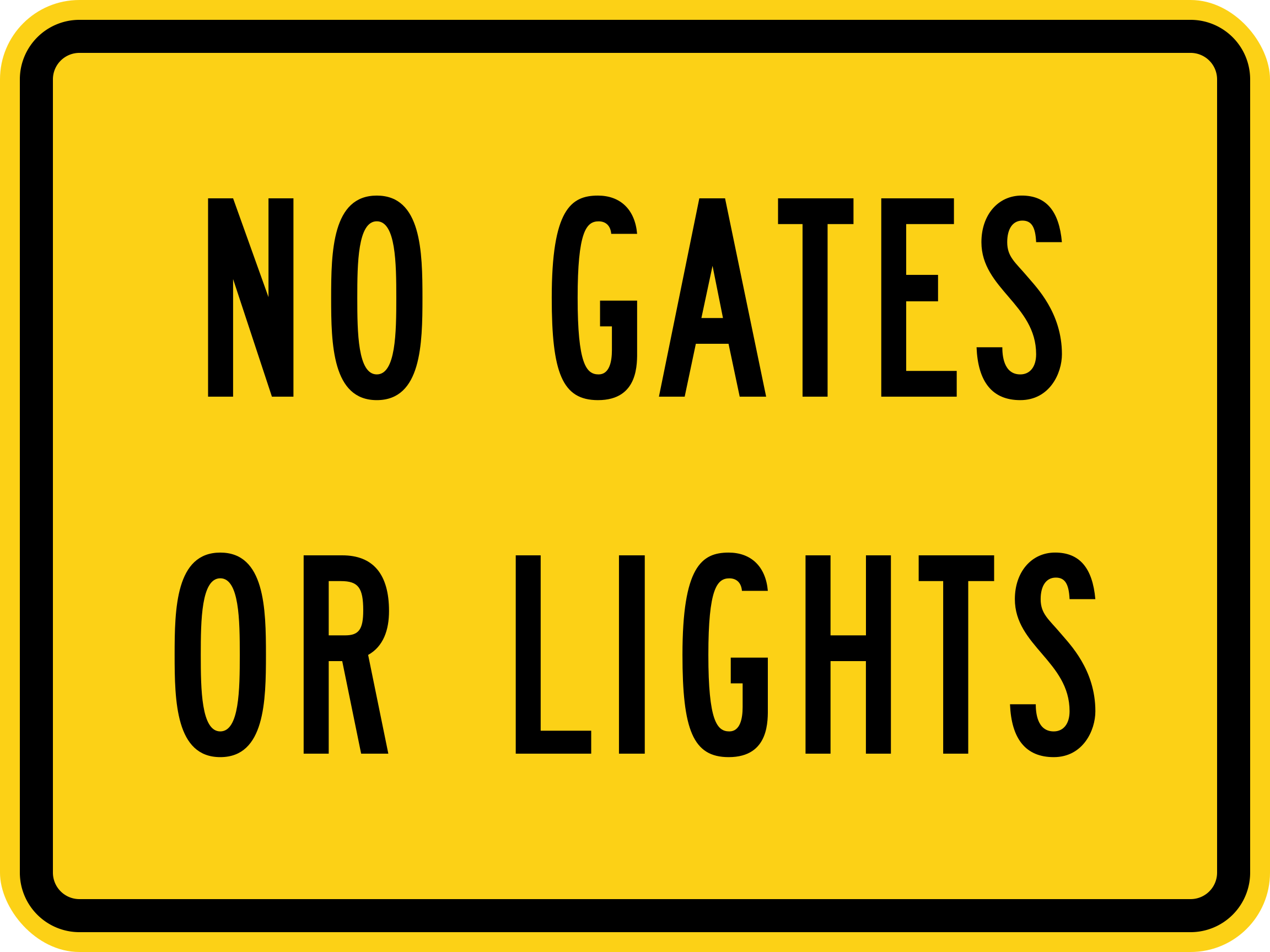 No Gates or Lights plaque
 No Train Horn
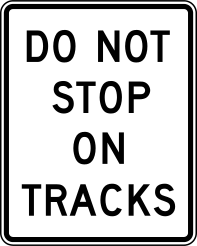 Do Not Stop on Tracks
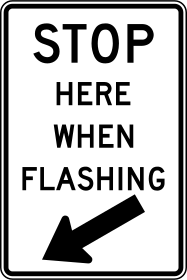 Stop Here When Flashing
Guide signs
Show routes, directions, distances and destinations.
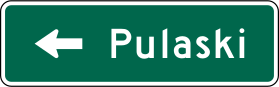 Destination sign
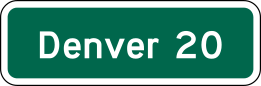 Distance sign
 Street Name sign
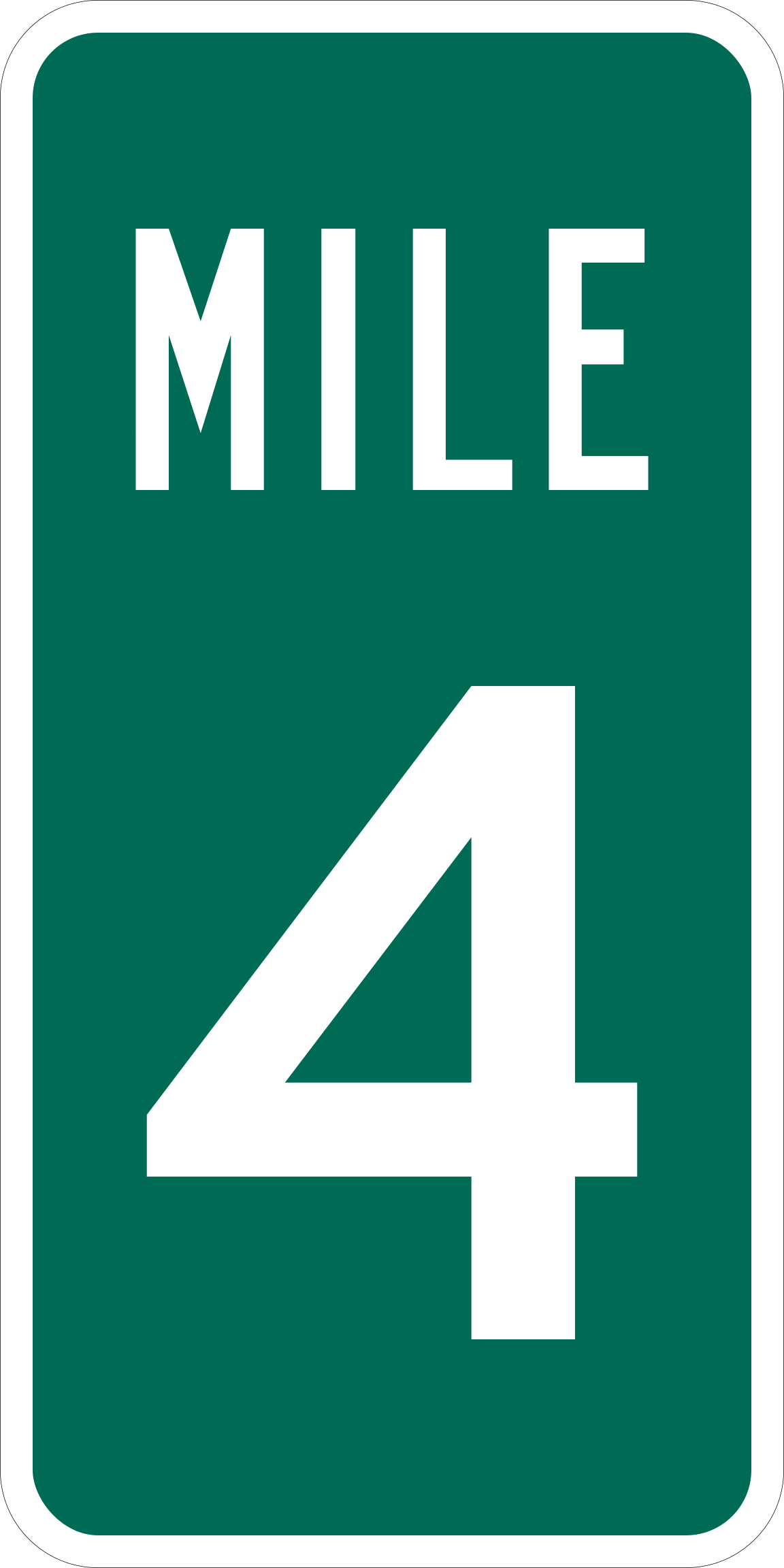 Reference Location sign (mile marker)
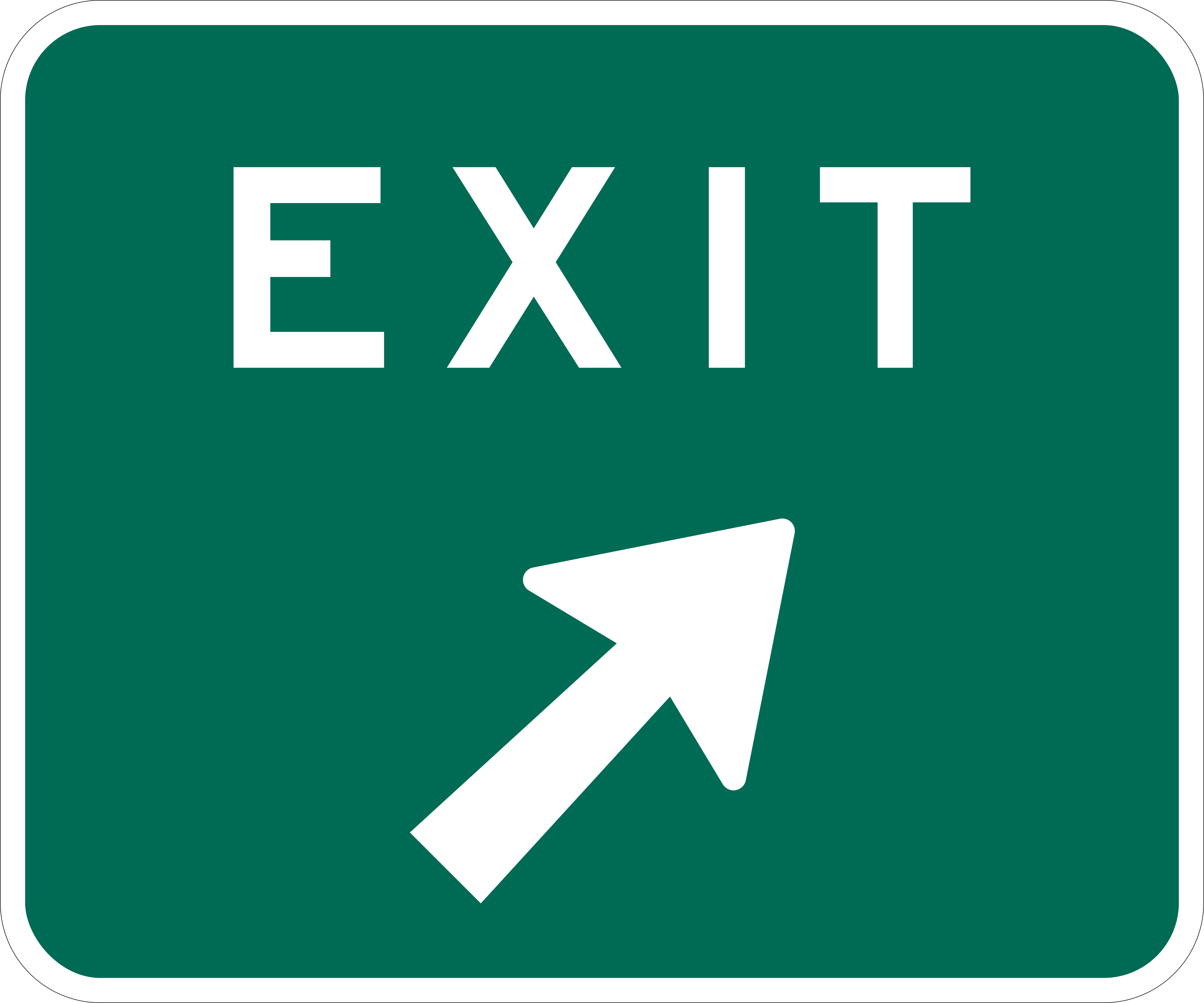 Exit Gore sign
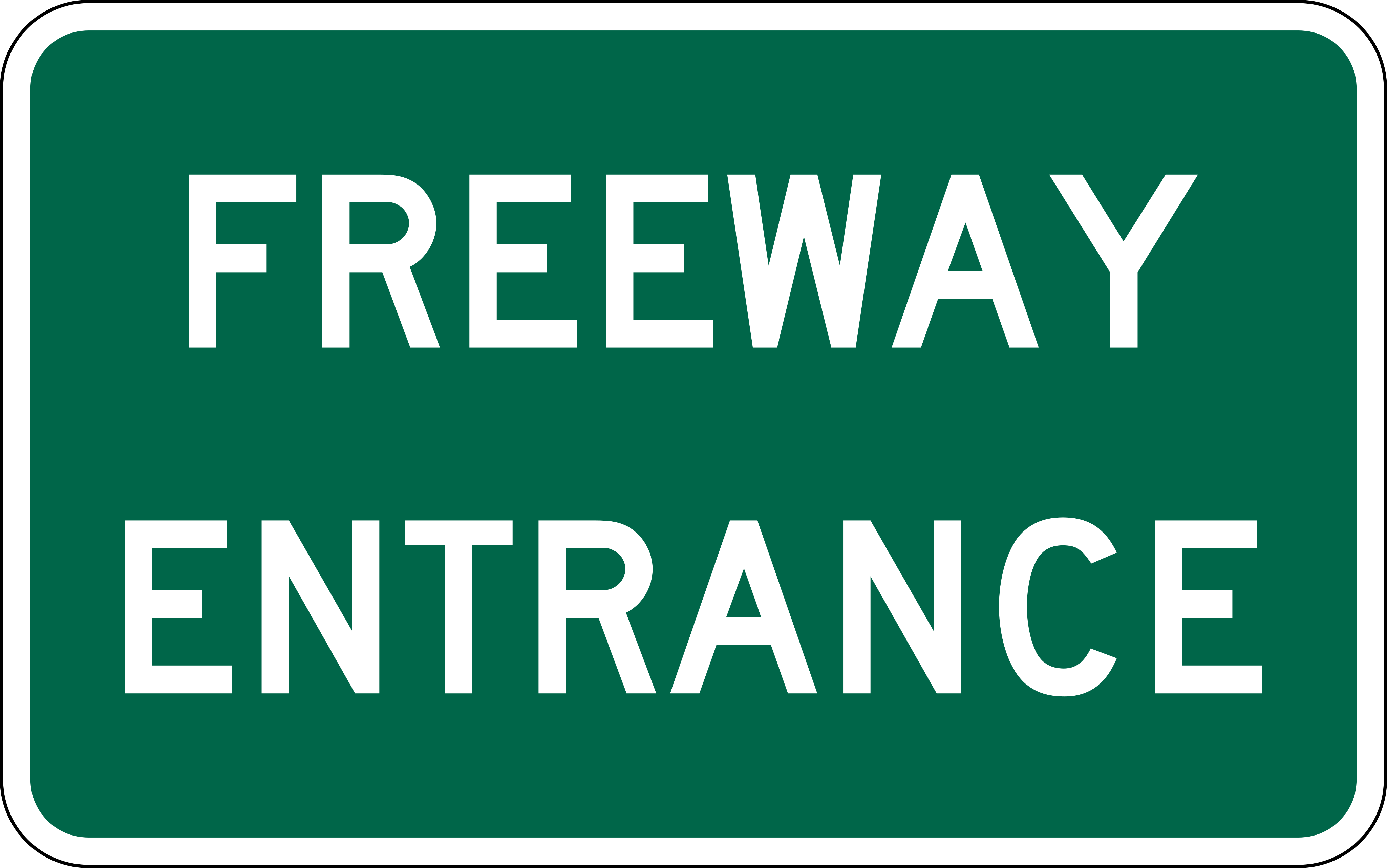 Freeway Entrance
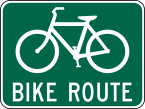 Bike Route
Route markers
Identify Interstate, US and state highways.
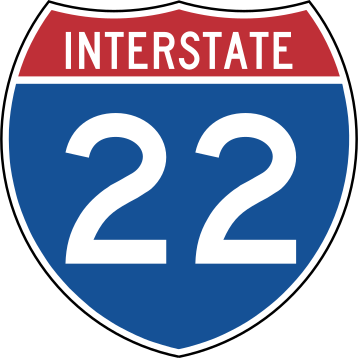 Interstate Route marker
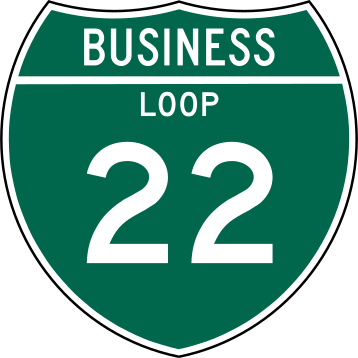 Off-Interstate Business Loop marker
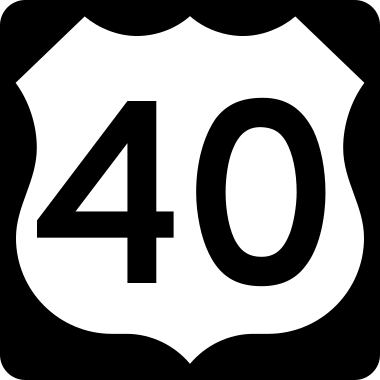 U.S. Route marker
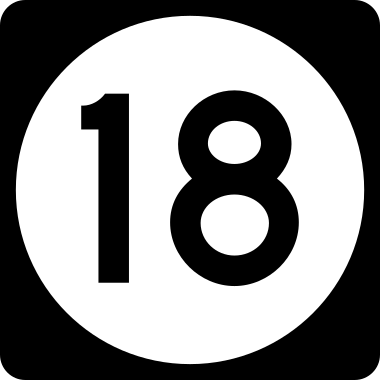 State Route marker
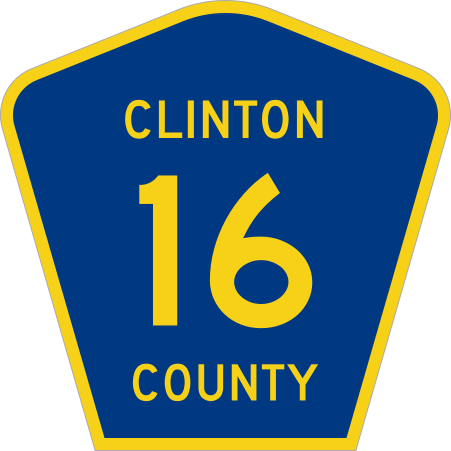 County Route marker
Service and recreation signs
Point to services such as hospitals, gas, food and rest areas.
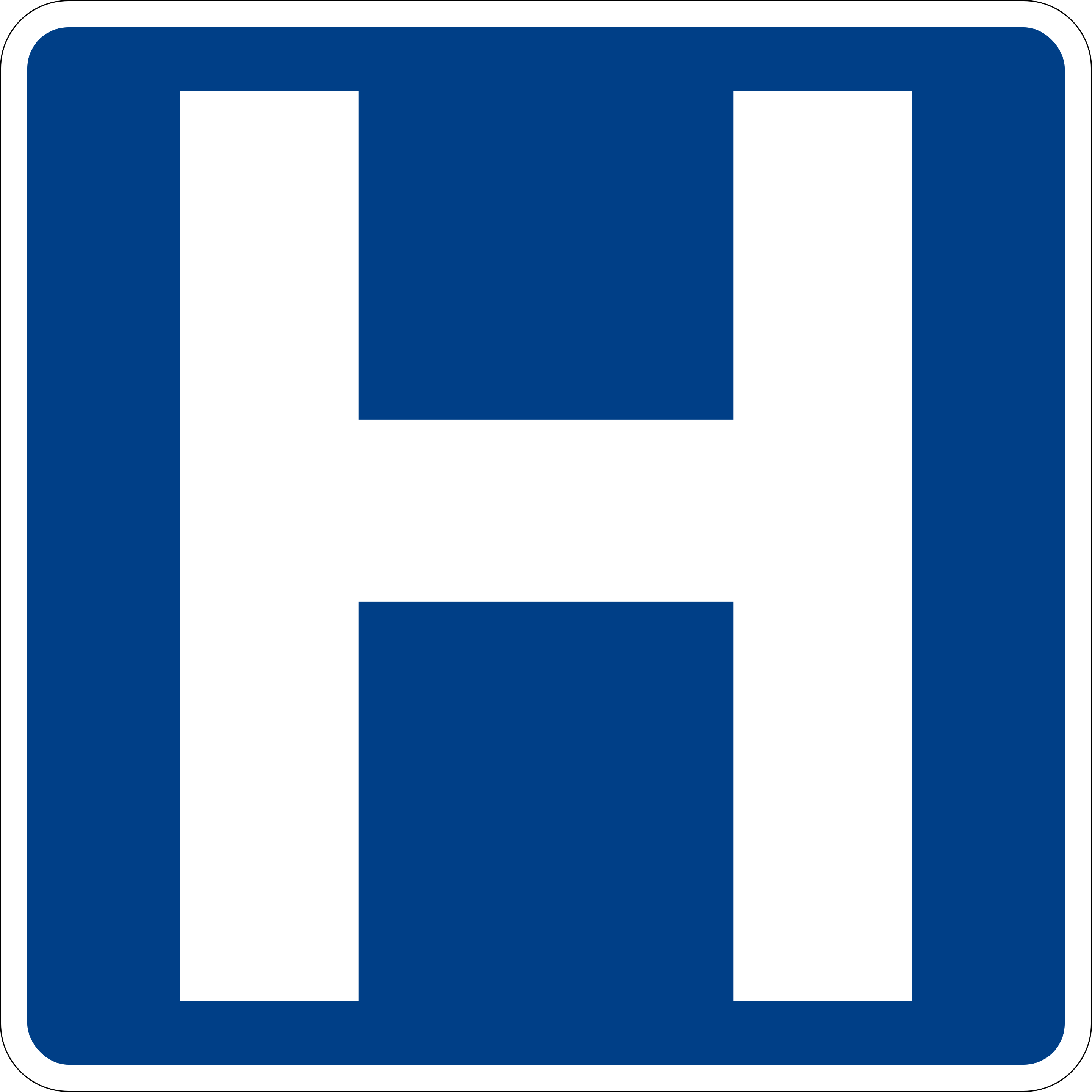 Hospital
 Emergency Medical Services
 Gas
 Food
 Lodging
 Electric Vehicle Charging
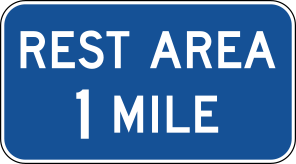 Rest Area
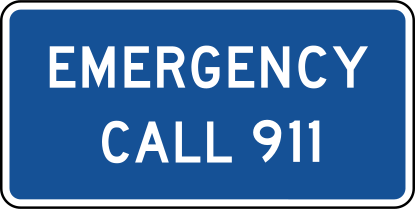 Emergency Call 911
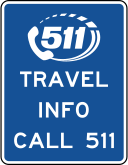 Travel Info Call 511
Sign designs: Federal Highway Administration, Manual on Uniform Traffic Control Devices, 11th edition (2023), public domain. Sign images from Wikimedia Commons, public domain.