Utah DLD permit practice test 2
25 questions written from the Utah Driver Handbook (AAMVA Model Non-Commercial), covering hazards, weather and night driving, emergencies, road signs, licensing laws and penalties, safe and defensive driving and more. Pick an answer to see straight away whether you're right and why. The real Utah DLD test has 50 questions and you need 40 right.
-
Question 1When are animals most active near roads?
Show answer
D: Dawn and dusk. Use caution at dawn and dusk when animals are most active. Utah Driver Handbook (AAMVA Model Non-Commercial): Section 11: Distractions and Driving Challenges: Avoiding Collisions with Animals, page 66.
-
Question 2Your car goes into water. About how long will it float?
Show answer
C: 30 to 60 seconds. A vehicle will only float for 30 to 60 seconds, so immediately remove your belt, lower the window and get out. Utah Driver Handbook (AAMVA Model Non-Commercial): Section 11: Distractions and Driving Challenges: Vehicle Submerged Underwater, page 72.
-
Question 3What colors are guide signs?
Show answer
B: Green, brown, or blue. Guide signs are square or rectangular and green, brown, or blue; they show directions, points of interest and services. Utah Driver Handbook (AAMVA Model Non-Commercial): Section 9: Traffic Signs: Guide Signs, page 56.
-
Question 4How long must a 16- or 17-year-old hold a Utah learner permit before getting a first license?
Show answer
C: 6 months. Ages 16 and 17 must hold the learner permit 6 months; age 18 has no holding period but must complete driver education; 19+ holds it 90 days unless they take driver ed. Utah Driver Handbook (AAMVA Model Non-Commercial): Section 3: Driver Education/Permits: Learner Permit Holding Periods, page 17.
-
Question 5According to the Utah handbook, how much more likely are you to be killed if thrown from a car?
Show answer
C: 23 times. Your chances of being killed are 23 times greater if you are thrown from a car. Utah Driver Handbook (AAMVA Model Non-Commercial): Section 7: Preparing Your Vehicle: Safety Belt Facts, page 37.
-
Question 6What is the 'gore area' and may you drive in it?
Show answer
D: The area between solid white lines where a lane enters or exits; it is illegal to cross or drive in it. The gore area is between the solid white lines of a traffic lane and an entrance or exit lane; crossing over or driving in it is against the law. Utah Driver Handbook (AAMVA Model Non-Commercial): Section 8: Basic Driving: Merging and Gore Area, page 41.
-
Question 7In Utah, how close may you park to the nearest rail of a railroad crossing?
Show answer
C: 50 feet. You may not park on a railroad track or within 50 feet of the nearest rail of a crossing. Utah Driver Handbook (AAMVA Model Non-Commercial): Section 8: Basic Driving: Parking, page 42.
-
Question 8A snowplow with flashing yellow lights has its blade deployed on the right. May you pass on the right side?
Show answer
B: No, you may not pass on the side where the blade is deployed. You may not pass a snowplow displaying flashing yellow lights on the side where the plow blade is deployed. Utah Driver Handbook (AAMVA Model Non-Commercial): Section 8: Basic Driving: Passing, page 44.
-
Question 9Is it legal to drive over or across a traffic island in Utah?
Show answer
A: No, a person may not drive over, across or within any part of an island. A person may not operate a vehicle over, across, or within any part of an island. Utah Driver Handbook (AAMVA Model Non-Commercial): Section 8: Basic Driving: Turns—Multiple Lanes, page 47.
-
Question 10You are coming out of a driveway or private road onto a public road. Who has the right-of-way?
Show answer
A: Drivers on the public road. Yield to drivers on a public road if you are coming from a driveway or a private road. Utah Driver Handbook (AAMVA Model Non-Commercial): Section 9: Rules of the Road: Yielding Right-of-Way, page 60.
-
Question 11On a Utah divided highway with four or more lanes and a median, a school bus stops with flashing red lights. Who must stop?
Show answer
D: Only vehicles in the lanes behind the bus. On a divided highway with a median, only vehicles in the lanes behind the bus must stop, not oncoming traffic. Utah Driver Handbook (AAMVA Model Non-Commercial): Section 8: Basic Driving: School Bus Stopping, page 46.
-
Question 12What speed limits may be posted on Utah rural interstate highways?
Show answer
C: 65/70/75/80 mph. Rural interstate highways may be posted at 65, 70, 75 or 80 mph, with transition zones marked by pavement markings and signs. Utah Driver Handbook (AAMVA Model Non-Commercial): Section 9: Rules of the Road: Speed, page 54.
-
Question 13You are stranded by a red left-turn arrow that won't change. When may you turn left?
Show answer
B: From a one-way street onto a one-way street, when safe. If a red left-turn arrow fails to change, you may make a left turn from a one-way street onto a one-way street when it is safe. Utah Driver Handbook (AAMVA Model Non-Commercial): Section 9: Rules of the Road: Traffic Signals, page 56.
-
Question 14In what year did Utah become the first state with a .05 BAC limit, according to the handbook?
Show answer
C: 2018. The handbook's history notes that in December 2018 Utah became the first state in the country to have a .05 BAC limit. Utah Driver Handbook (AAMVA Model Non-Commercial): Driver License History, page 5.
-
Question 15Your vehicle breaks down in the desert. What should you do?
Show answer
D: Stay with the vehicle unless help is visible a few minutes away. If your vehicle breaks down in the desert, stay with it; don't wander away unless getting help from a visible call box or building a few minutes' walk away. Utah Driver Handbook (AAMVA Model Non-Commercial): Section 11: Distractions and Driving Challenges: Desert Driving, page 67.
-
Question 16You are stranded in cold weather. How long does the Utah handbook suggest running the engine each hour?
Show answer
B: About 10 minutes each hour. Run the engine about 10 minutes each hour to charge the battery and warm the interior, keep the exhaust clear, and leave at least one window open. Utah Driver Handbook (AAMVA Model Non-Commercial): Section 11: Distractions and Driving Challenges: Weather—Cold Weather, page 73.
-
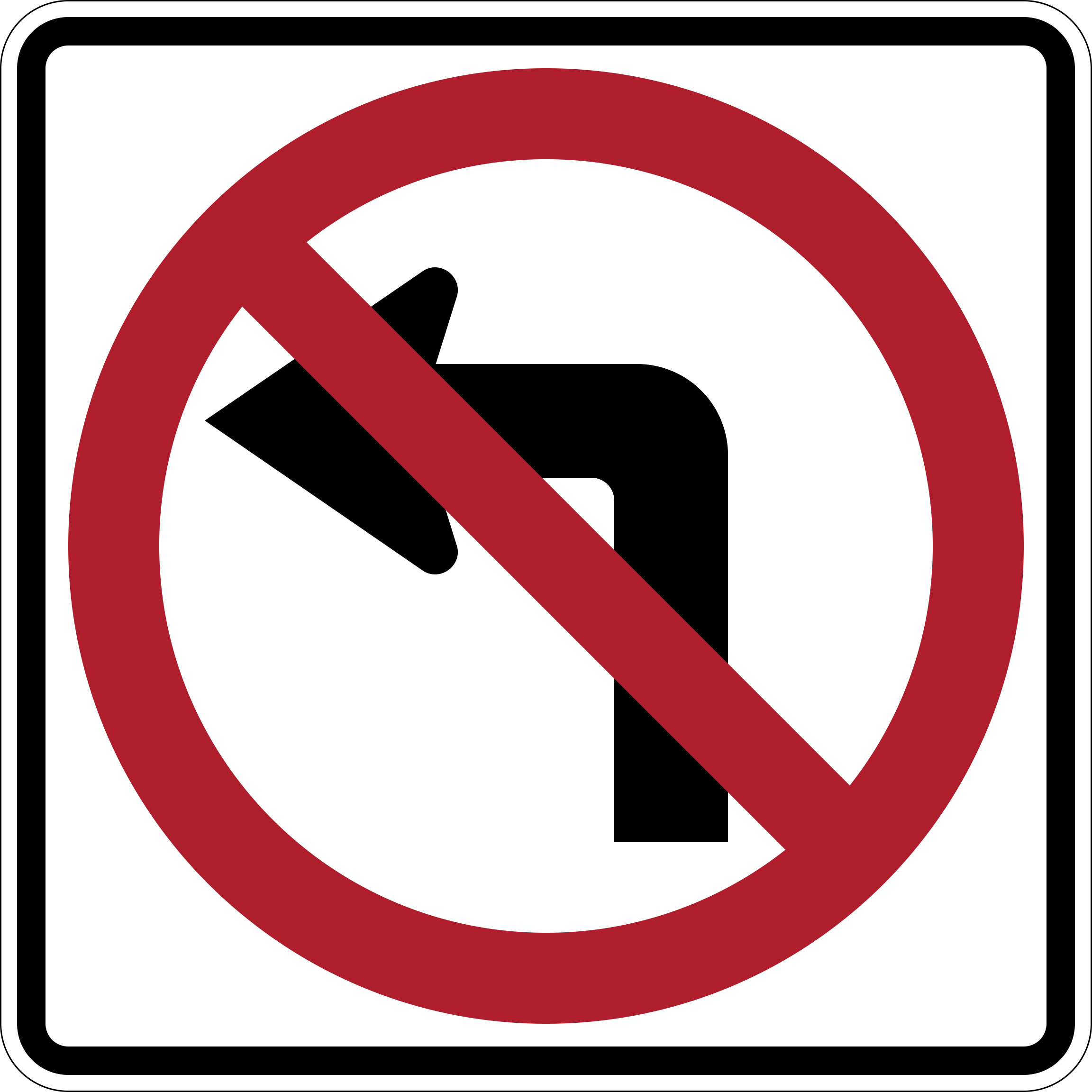
Question 17What colors are regulatory signs?
Show answer
B: White with black, red, or green letters or symbols. Regulatory signs are square, rectangular or uniquely shaped, and white with black, red, or green letters or symbols. Utah Driver Handbook (AAMVA Model Non-Commercial): Section 9: Traffic Signs: Regulatory Signs, page 57.
-
Question 18A Utah applicant age 19 or older who skips driver education must hold a learner permit for how long?
Show answer
C: 90 days. Applicants 19+ must hold the permit 90 days and complete 40 hours of driving (10 after sunset), unless they complete an approved driver education course. Utah Driver Handbook (AAMVA Model Non-Commercial): Section 3: Driver Education/Permits: Learner Permit Holding Periods, page 17.
-
Question 19What share of crashes occur at speeds under 40 mph?
Show answer
C: 70%. 70% of crashes occur at speeds under 40 mph, so wear a belt at any speed. Utah Driver Handbook (AAMVA Model Non-Commercial): Section 7: Preparing Your Vehicle: Safety Belt Facts, page 37.
-
Question 20What is the zipper method of merging in Utah?
Show answer
C: Use both lanes to the merge point, then alternate. At a congested merge point, use both lanes until the merge point, then alternate into the single lane; violating this is an infraction. Utah Driver Handbook (AAMVA Model Non-Commercial): Section 8: Basic Driving: Merging and Gore Area, page 41.
-
Question 21When parking next to a curb in Utah, how far from the curb may your back wheel be?
Show answer
A: No more than 12 inches. If parking next to a curb, the back wheel must be no further than 12 inches from the curb. Utah Driver Handbook (AAMVA Model Non-Commercial): Section 8: Basic Driving: Parking, page 43.
-
Question 22Three or more snowplows are working in echelon (staggered) formation. Where may you pass them?
Show answer
C: You may not pass them on either side. If three or more snowplows operate in echelon formation, you may not pass or overtake them on either side. Utah Driver Handbook (AAMVA Model Non-Commercial): Section 8: Basic Driving: Passing, page 44.
-
Question 23Where is a U-turn prohibited in Utah?
Show answer
C: On a curve or near a hilltop where you can't see or be seen for 500 feet in both directions. Never make a U-turn on a curve or near a hilltop without 500 feet of visibility each way, where prohibited by a sign, on a railroad track or crossing, or on a freeway. Utah Driver Handbook (AAMVA Model Non-Commercial): Section 8: Basic Driving: U-Turns, page 48.
-
Question 24On a narrow mountain road, you are going downhill and meet a vehicle coming uphill. Who must yield?
Show answer
A: You, the downhill driver. If traveling downhill on a narrow road, you must yield to vehicles going uphill. Utah Driver Handbook (AAMVA Model Non-Commercial): Section 11: Distractions and Driving Challenges: Mountain Driving, page 70.
-
Question 25On a Utah highway with five or more lanes and a shared center turn lane, must oncoming traffic stop for a school bus with flashing red lights?
Show answer
B: No, only vehicles behind the bus must stop. On a highway with five or more lanes and a center turn lane, only vehicles behind the bus must stop; opposite-direction traffic is not legally required to stop. Utah Driver Handbook (AAMVA Model Non-Commercial): Section 8: Basic Driving: School Bus Stopping, page 46.
Answer every question to see your score.
More Utah practice tests
How to use these tests
Read each explanation, even when you get the question right: it tells you the rule and the handbook section, so you can look it up. Your answers are saved in this browser only, so the weak spots mode can give you more questions on the topics you miss. When you're scoring well, take the exam simulator: it uses the same number of questions and passing score as the real test.
Our own questions, written from the Utah Driver Handbook (AAMVA Model Non-Commercial) and checked against it. Not affiliated with the Utah Driver License Division (Utah Department of Public Safety). Found a mistake? Tell us.