Indiana road signs practice test
Signs are a separately scored section of the same knowledge exam (80% required on the signs section and on the rules section). Practise the 42 sign questions we wrote from the Indiana handbook, then drill every common sign.
Indiana handbook sign questions
-
Question 1What does a brown traffic sign indicate?
Show answer
A: Nearby recreational and cultural interest sites. Brown signs indicate nearby recreational and cultural sites, such as a state park. Indiana Driver's Manual: Chapter 6: Traffic Sign Colors, page 32.
-
Question 2What does a blue traffic sign display?
Show answer
A: Road services and information. Blue signs display road services and information, such as amenities at an upcoming exit. Indiana Driver's Manual: Chapter 6: Traffic Sign Colors, page 32.
-
Question 3What does a green traffic sign indicate?
Show answer
A: Permitted movements, directions or guidance such as exits and distances. Green signs show permitted movements and guidance, like highway exits and distances to destinations. Indiana Driver's Manual: Chapter 6: Traffic Sign Colors, page 32.
-
Question 4What do orange traffic signs warn of?
Show answer
A: Temporary traffic conditions such as construction and maintenance. Orange signs warn drivers of temporary conditions, often due to construction or maintenance. Indiana Driver's Manual: Chapter 6: Traffic Sign Colors, page 32.
-
Question 5What kind of information do white traffic signs display?
Show answer
A: Traffic regulations such as speed limits. White signs display regulations drivers must obey, such as speed limits and No Turn on Red. Indiana Driver's Manual: Chapter 6: Traffic Sign Colors, page 32.
-
Question 6What do fluorescent yellow-green signs warn of?
Show answer
A: Nearby schools, pedestrians, bicycles, playgrounds and school bus routes. Fluorescent yellow-green signs warn of nearby schools, pedestrians, bicycles, playgrounds and bus routes. Indiana Driver's Manual: Chapter 6: Traffic Sign Colors, page 32.
-
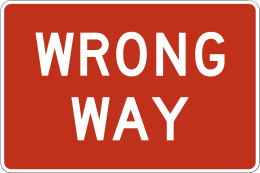
Question 7What does a red background on a traffic sign convey?
Show answer
A: Regulations requiring immediate action to avoid threats to safety. Red signs convey regulations requiring immediate action, such as Wrong Way. Indiana Driver's Manual: Chapter 6: Traffic Sign Colors, page 32.
-
Question 8What does a circular (round) traffic sign alert you to?

Show answer
A: An upcoming railroad crossing. Circular signs alert drivers to upcoming railroad crossings. Indiana Driver's Manual: Chapter 6: Traffic Sign Shapes, page 33.
-
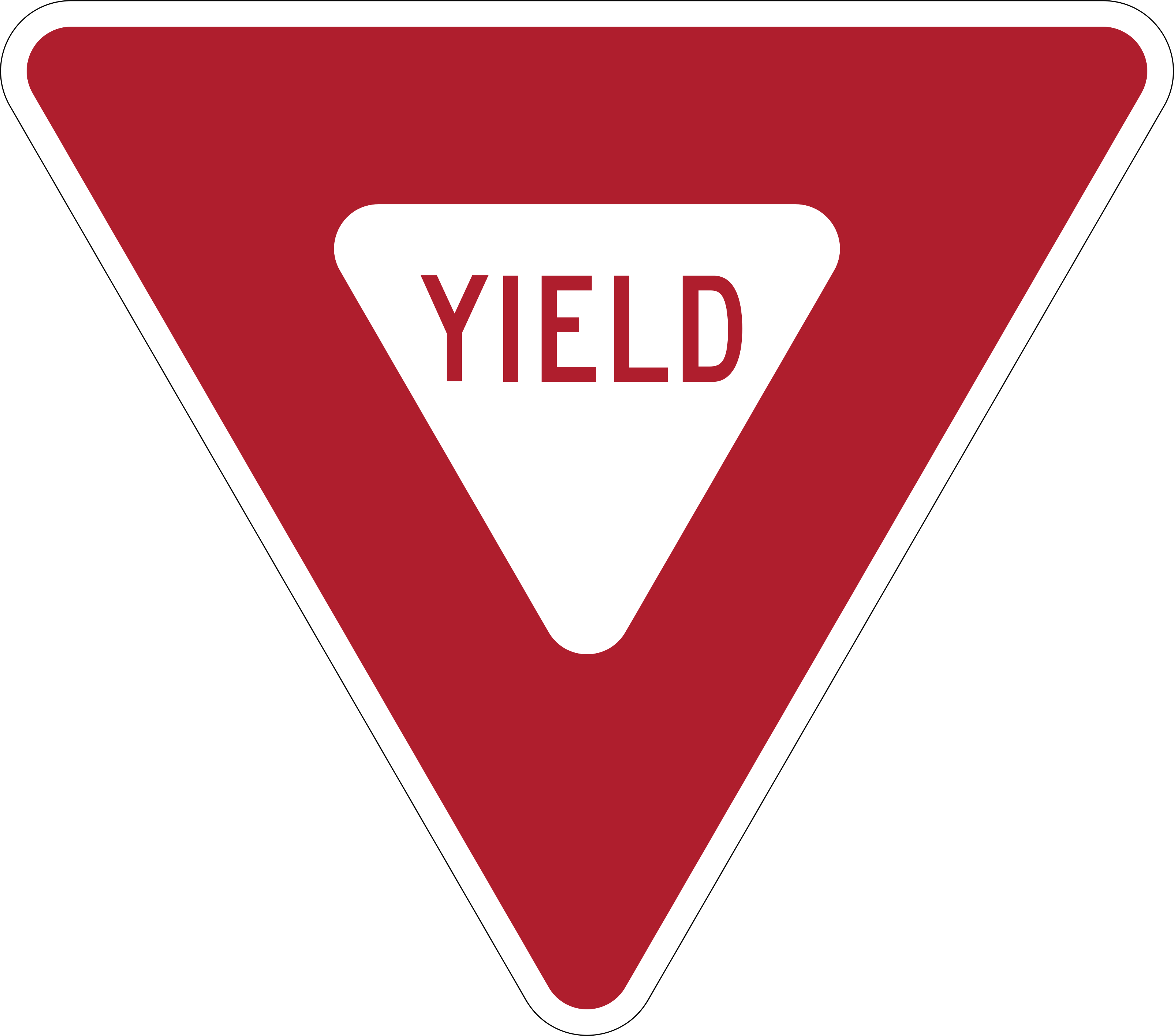
Question 9What does an equilateral triangle sign (three equal sides) mean?
Show answer
A: Slow down and be prepared to stop and yield. Three-sided signs warn drivers to slow down and be ready to stop to yield to others. Indiana Driver's Manual: Chapter 6: Traffic Sign Shapes, page 33.
-
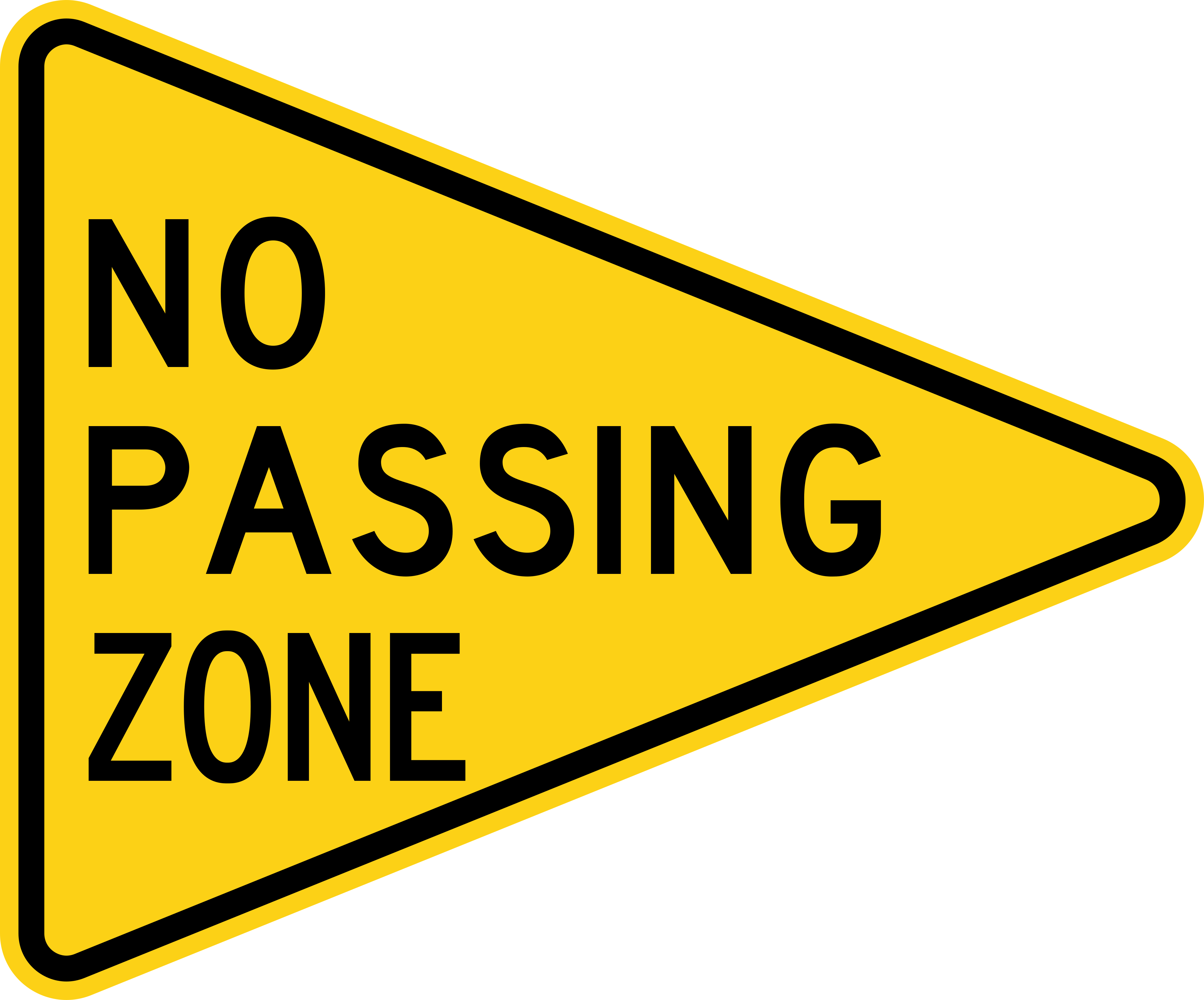
Question 10Where are pennant-shaped No Passing Zone signs posted?
Show answer
A: On the left-hand side of two-way roads. Pennant-shaped signs are posted on the left side of two-way roads to warn drivers not to pass. Indiana Driver's Manual: Chapter 6: Traffic Sign Shapes, page 33.
-
Question 11What does a five-sided (pentagon) sign warn of?

Show answer
A: An area near a school where children may be crossing. Five-sided signs warn that you are entering a school area where children may cross. Indiana Driver's Manual: Chapter 6: Traffic Sign Shapes, page 33.
-
Question 12What does a diamond-shaped sign warn of?
Show answer
A: Upcoming road conditions and hazards. Diamond-shaped signs warn drivers of upcoming road conditions and hazards. Indiana Driver's Manual: Chapter 6: Traffic Sign Shapes, page 33.
-
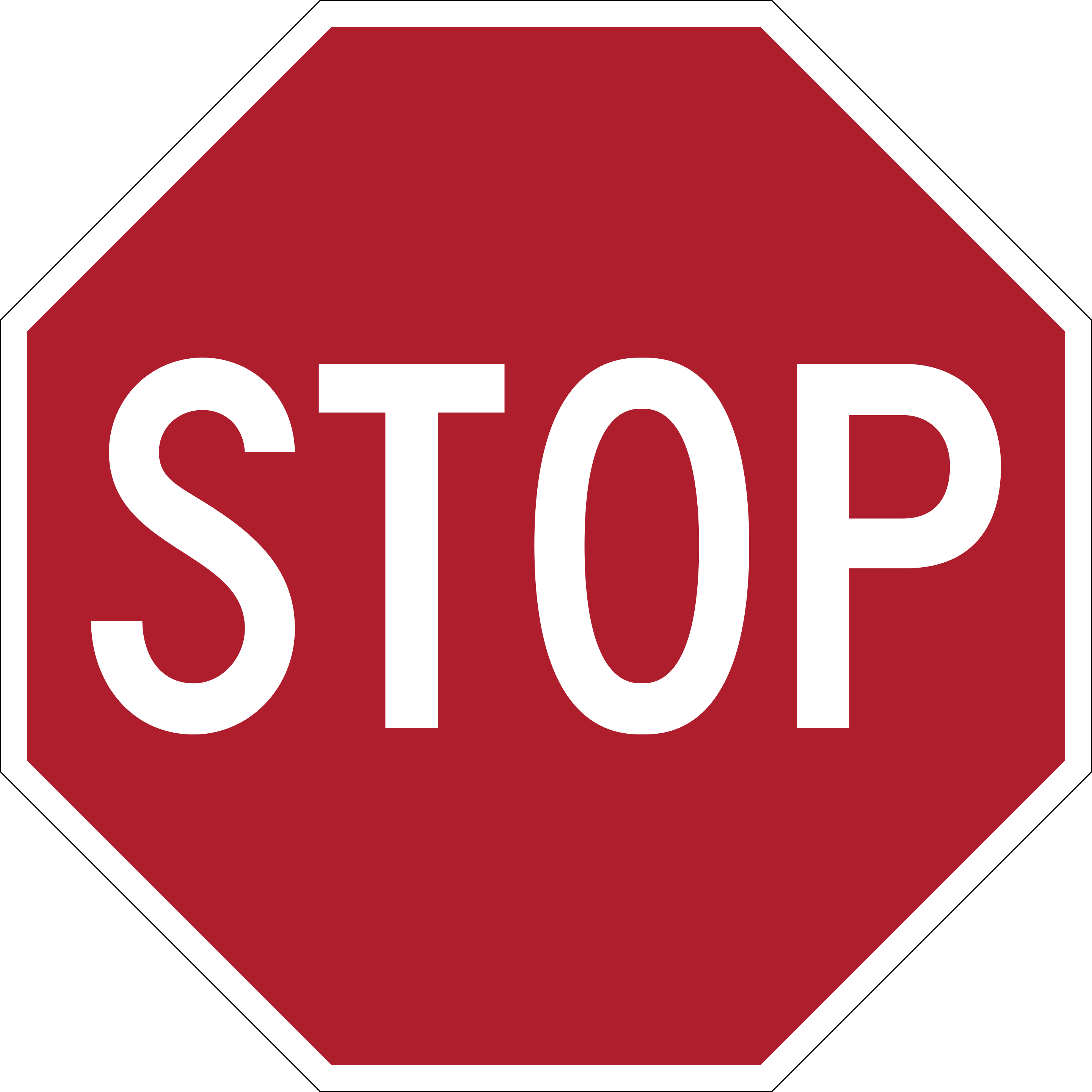
Question 13An eight-sided sign tells you to do what?
Show answer
A: Stop and yield the appropriate right of way. Eight-sided signs mean drivers must stop and yield the appropriate right of way. Indiana Driver's Manual: Chapter 6: Traffic Sign Shapes, page 33.
-
Question 14A rectangular advisory speed sign posted with a diamond warning sign tells you what?

Show answer
A: A recommended speed for a hazard such as a sharp curve. Rectangular signs can warn of hazards with an advisory speed for a sharp curve, often posted with a diamond warning sign. Indiana Driver's Manual: Chapter 6: Traffic Sign Shapes, page 33.
-
Question 15What does a yellow diamond sign showing a horse-drawn buggy warn of?
Show answer
A: Horse-drawn vehicles may be on the road. Indiana's Buggy Warning sign warns of horse-drawn vehicles ahead. Indiana Driver's Manual: Chapter 6: Warning Signs, page 34.
-
Question 16What does the Low Clearance warning sign tell you?

Show answer
A: A bridge or overpass ahead has limited height. Low Clearance warns of limited overhead height ahead. Indiana Driver's Manual: Chapter 6: Warning Signs, page 34.
-
Question 17What does a Narrow Bridge warning sign mean?

Show answer
A: The bridge ahead is narrower than the road. The Narrow Bridge sign warns that the bridge ahead is narrow; be prepared to slow or stop for other vehicles. Indiana Driver's Manual: Chapter 6: Warning Signs, page 34.
-
Question 18This yellow diamond sign shows a second lane joining the road with no merge. What is it called in the Indiana manual?

Show answer
A: Added Lane. The manual's warning-sign chart labels this sign Added Lane; it differs from Merging Traffic and Lane Ends. Indiana Driver's Manual: Chapter 6: Warning Signs, page 34.
-
Question 19What does the Watch for Ice on Bridges sign remind you?
Show answer
A: Bridges may be icy even when the road is not. Bridges may freeze before other sections of road; the sign warns drivers to watch for ice. Indiana Driver's Manual: Chapter 6: Warning Signs, page 34.
-
Question 20A yellow diamond sign shows a T-shaped symbol. What does it mean?

Show answer
A: The road ends ahead at a T intersection; you must turn left or right. The T Intersection sign means the road ends and you must turn left or right. Indiana Driver's Manual: Chapter 6: Warning Signs, page 34.
-
Question 21What does the Yield Ahead warning sign mean?

Show answer
A: A yield sign is ahead; be prepared to yield. Yield Ahead warns of an upcoming yield sign. Indiana Driver's Manual: Chapter 6: Warning Signs, page 34.
-
Question 22What does a Worksite Added Penalties sign mean?
Show answer
A: Added penalties apply to traffic violations in the work site. The manual lists worksite added penalty signs among construction signs that convey regulations: violations in the work site carry added penalties. Indiana Driver's Manual: Chapter 6: Highway Construction and Maintenance Signs, page 35.
-
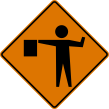
Question 23You see an orange diamond Flagger Ahead sign. What should you expect?
Show answer
A: A person controlling traffic with a sign or flag. The orange Flagger Ahead sign warns that a flagger is controlling traffic ahead. Indiana Driver's Manual: Chapter 6: Highway Construction and Maintenance Signs, page 35.
-
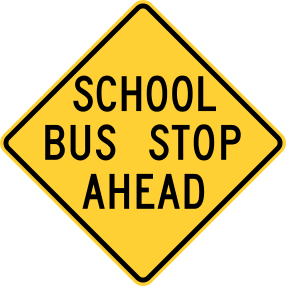
Question 24What does a School Bus Stop Ahead sign warn you of?
Show answer
A: A school bus may stop ahead to load or unload children. School Bus Stop Ahead warns that a school bus may be stopping ahead. Indiana Driver's Manual: Chapter 6: School Zone Signs, page 35.
-
Question 25What is the top speed of a vehicle displaying an orange slow-moving vehicle emblem in Indiana?
Show answer
B: 25 mph. The slow-moving vehicle emblem (orange center, red reflective borders) marks a vehicle that cannot exceed 25 mph. Indiana Driver's Manual: Chapter 6: Slow-Moving Vehicle Emblem, page 35.
-
Question 26What do traffic regulation signs do?
Show answer
A: Regulate speed and movement and display rules drivers must obey. Traffic regulation signs regulate speed and movement and show rules drivers must obey. Indiana Driver's Manual: Chapter 6: Traffic Regulation Signs, page 36.
-
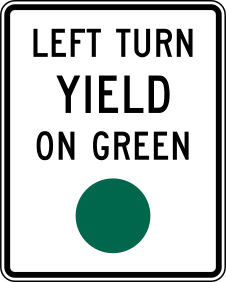
Question 27A white sign reads LEFT TURN YIELD ON GREEN with a green ball symbol. What does it mean?
Show answer
A: On a green ball, you may turn left after yielding to oncoming traffic. The Left Turn Yield on Green sign means a left turn on a green ball signal is allowed only after yielding. Indiana Driver's Manual: Chapter 6: Traffic Regulation Signs, page 36.
-
Question 28What does a LEFT ON GREEN ARROW ONLY sign mean?
Show answer
A: Left turns are allowed only when the green arrow is lit. This regulation sign allows left turns only on the green arrow. Indiana Driver's Manual: Chapter 6: Traffic Regulation Signs, page 36.
-
Question 29What does a white MINIMUM SPEED 40 sign mean?
Show answer
A: You must not drive slower than 40 mph in normal conditions. A Minimum Speed sign sets the lowest speed allowed on that road. Indiana Driver's Manual: Chapter 6: Traffic Regulation Signs, page 36.
-
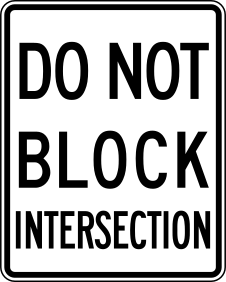
Question 30What does a DO NOT BLOCK INTERSECTION sign mean?
Show answer
A: Do not enter the intersection unless you can clear it. Do Not Block Intersection is a regulation sign telling drivers not to stop within the intersection. Indiana Driver's Manual: Chapter 6: Traffic Regulation Signs, page 36.
-
Question 31What does an EMERGENCY STOPPING ONLY sign mean?
Show answer
A: You may stop on the shoulder only in an emergency. Emergency Stopping Only is a regulation sign permitting stops only for emergencies. Indiana Driver's Manual: Chapter 6: Traffic Regulation Signs, page 36.
-
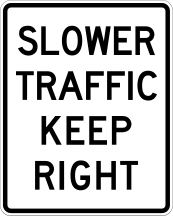
Question 32What does a SLOWER TRAFFIC KEEP RIGHT sign mean?
Show answer
A: Vehicles moving slower than other traffic should use the right lane. Slower Traffic Keep Right tells slower vehicles to use the right lane. Indiana Driver's Manual: Chapter 6: Traffic Regulation Signs, page 37.
-
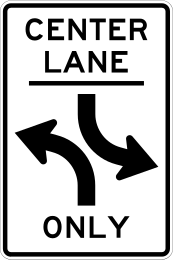
Question 33What does the TWO-WAY LEFT TURN regulation sign identify?
Show answer
A: A center lane used for left turns by traffic from both directions. The Two-Way Left Turn sign identifies a center lane used by left-turning traffic from both directions. Indiana Driver's Manual: Chapter 6: Traffic Regulation Signs, page 37.
-
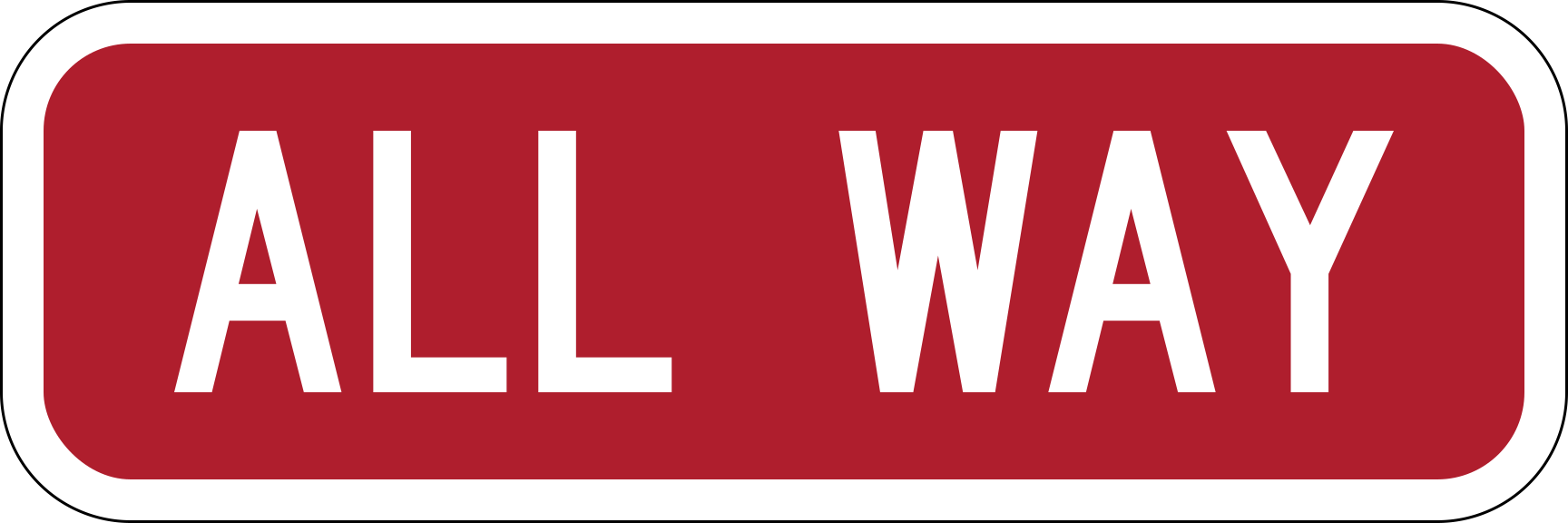
Question 34A supplemental plaque under a stop sign reads ALL WAY. What does it mean?
Show answer
A: All approaches to the intersection must stop. Supplemental plaques under stop signs show which directions must stop; ALL WAY means all approaches stop. Indiana Driver's Manual: Chapter 6: Traffic Regulation Signs — Supplemental Plaques, page 37.
-
Question 35A plaque under a stop sign reads CROSS TRAFFIC DOES NOT STOP. What should you do?

Show answer
A: Stop and wait for a safe gap; cross traffic will not stop for you. The plaque tells you that traffic on the cross street does not have to stop. Indiana Driver's Manual: Chapter 6: Traffic Regulation Signs — Supplemental Plaques, page 37.
-
Question 36What do traffic guidance signs provide?
Show answer
A: Information about the road, upcoming entrances and exits, and distances. Guidance signs tell drivers about the road, upcoming highway entrances and exits, and distances. Indiana Driver's Manual: Chapter 6: Traffic Guidance Signs, page 37.
-
Question 37What do driver services and recreation signs provide?
Show answer
A: Information about nearby amenities, parks and recreation areas. Driver services and recreation signs give information about nearby amenities, parks and recreational areas. Indiana Driver's Manual: Chapter 6: Traffic Guidance Signs — Driver Services and Recreation Signs, page 38.
-
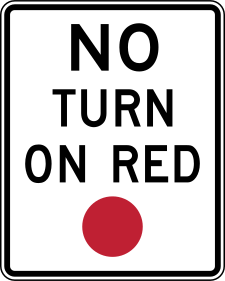
Question 38Before turning right on a red light in Indiana, what must you do?
Show answer
A: Come to a full stop, check for vehicles and pedestrians and a No Turn on Red sign, and use the correct lane. To turn right on red, come to a full stop, check the path is clear, check for a No Turn on Red sign, and use the correct lane. Indiana Driver's Manual: Chapter 6: Traffic Signals — Turning through a Solid Red Light, page 39.
-
Question 39What does a yield sign require you to do?
Show answer
A: Slow down and be prepared to stop for vehicles or pedestrians with the right of way. A yield sign means slow down and be prepared to stop for vehicles or pedestrians with the right of way. Indiana Driver's Manual: Chapter 6: Traffic Signals — Approaching a Yield Sign, page 40.
-
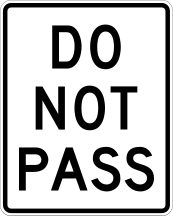
Question 40Where is the white rectangular Do Not Pass sign posted?
Show answer
A: On the right-hand side of the road. A white rectangular Do Not Pass sign is posted on the right side; the yellow pennant is on the left. Indiana Driver's Manual: Chapter 7: Changing Lanes and Passing Other Vehicles — Prohibited Passing, page 43.
-
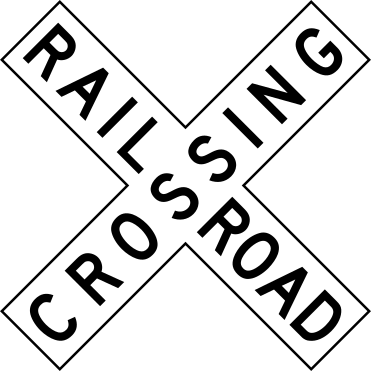
Question 41How should you treat a railroad crossbuck that is displayed alone?
Show answer
A: As a yield sign; you must stop if a train is approaching. A crossbuck alone should be treated as a yield sign; stop if a train is approaching. Indiana Driver's Manual: Chapter 7: Railroad Crossings — Crossbucks, page 53.
-
Question 42No train is coming but your car is disabled on a railroad crossing. Whom should you call first?
Show answer
A: The Emergency Notification System number on the blue sign at the crossing. Immediately call the ENS number on the blue sign, then call 911. Indiana Driver's Manual: Chapter 7: Safety at Railroad Crossings, page 54.
Answer every question to see your score.
Road signs drill
20 random signs from our library of US road signs. Signs are the same in every state under the federal sign manual.
Name the sign
Every road sign explained: shape, color, meaning and what to do.