Hardest Wisconsin permit test questions
112 questions that need exact knowledge rather than common sense: the numbers (distances, speeds, fines, limits), the exceptions and the rules that are easy to mix up. We chose them from our Wisconsin question bank for that reason; they're not statistics from the DMV.
-
Question 1What minimum visual acuity does the Wisconsin Motorists' Handbook require for regular car applicants?
Show answer
A: 20/40 in one eye, corrected or uncorrected. The handbook requires visual acuity of at least 20/40 in one eye, with or without corrective lenses. Wisconsin Motorists' Handbook (BDS126): Section 1: Driving Test Requirements — A. Vision Screening, page 5.
-
Question 2What field of vision does Wisconsin require for regular car and motorcycle applicants?
Show answer
B: 70 degrees from the center of each eye. Applicants need a 70-degree field of vision measured from the center of each eye. Wisconsin Motorists' Handbook (BDS126): Section 1: Driving Test Requirements — A. Vision Screening, page 5.
-
Question 3How many questions are on the Wisconsin Highway Signs Test?
Show answer
B: 15. The Highway Signs Test has 15 questions. Wisconsin Motorists' Handbook (BDS126): Section 1: Driving Test Requirements — B. Highway Signs Test, page 5.
-
Question 4How many questions must you answer correctly to pass the Wisconsin Highway Signs Test?
Show answer
B: 12 of 15. You need 12 correct answers out of 15 (80%) to pass the signs test. Wisconsin Motorists' Handbook (BDS126): Section 1: Driving Test Requirements — B. Highway Signs Test, page 5.
-
Question 5How many questions are on the Wisconsin Class D knowledge test?
Show answer
C: 50. The knowledge test on traffic laws includes 50 questions. Wisconsin Motorists' Handbook (BDS126): Section 1: Driving Test Requirements — C. Knowledge Test, page 5.
-
Question 6How many correct answers are needed to pass the Wisconsin knowledge test?
Show answer
C: 40. You must answer 40 of the 50 questions (80%) correctly. Wisconsin Motorists' Handbook (BDS126): Section 1: Driving Test Requirements — C. Knowledge Test, page 5.
-
Question 7Applicants of what ages may take the Wisconsin knowledge test online for a $10 fee?
Show answer
A: 15 to 17. Applicants between ages 15 and 17 may take the knowledge test online for $10. Wisconsin Motorists' Handbook (BDS126): Section 1: Driving Test Requirements — C. Knowledge Test, page 5.
-
Question 8Can a Wisconsin sponsor withdraw sponsorship of a teen driver?
Show answer
A: Yes, at any time. The handbook says the sponsor may remove their sponsorship at any time. Wisconsin Motorists' Handbook (BDS126): Section 2: Progression of Licenses — A. Sponsorship, page 7.
-
Question 9How many documents proving Wisconsin residency does the handbook say to bring when you apply for a license?
Show answer
B: Two. You need two documents that prove you live in Wisconsin, such as a utility bill or financial statement. Wisconsin Motorists' Handbook (BDS126): Section 2: Progression of Licenses, page 7.
-
Question 10If a Wisconsin teen applicant does not live with a parent or guardian, which person may NOT sign as sponsor?
Show answer
C: A sibling who is 16. A sibling may sponsor only if 18 or older; grandparents, aunts, uncles and foster parents may sign. Wisconsin Motorists' Handbook (BDS126): Section 2: Progression of Licenses — A. Sponsorship, page 8.
-
Question 11What is the minimum age for a Wisconsin Class D instruction permit?
Show answer
B: 15. Applicants under 18 must be at least 15 years old, enrolled in driver education and pass the required tests. Wisconsin Motorists' Handbook (BDS126): Section 2: Progression of Licenses — B. Instruction Permit, page 9.
-
Question 12How much licensed driving experience must the person supervising a Wisconsin instruction permit holder have?
Show answer
C: At least two years. The accompanying driver must have at least two years of licensed driving experience and a valid regular license. Wisconsin Motorists' Handbook (BDS126): Section 2: Progression of Licenses — B. Instruction Permit, page 9.
-
Question 13Which license may the supervising driver for a Wisconsin permit holder NOT hold?
Show answer
B: A probationary or occupational license. The accompanying driver must have a valid regular license; it cannot be a probationary or occupational license. Wisconsin Motorists' Handbook (BDS126): Section 2: Progression of Licenses — B. Instruction Permit, page 9.
-
Question 14A Wisconsin permit holder wants to practice with a family friend who is not a parent, guardian, spouse or instructor. How old must that friend be?
Show answer
C: 21 or older. A person other than a qualified instructor or parent, guardian or spouse must be 21 or older, and needs written authorization from the parent if the permit holder is under 18. Wisconsin Motorists' Handbook (BDS126): Section 2: Progression of Licenses — B. Instruction Permit, page 9.
-
Question 15When a Wisconsin permit holder drives during hours of darkness, who must sit beside them?
Show answer
B: A qualified instructor or a licensed person 25 or older with at least two years of experience. After dark, the person in the seat beside the permit holder must be a qualified instructor or a licensed person 25 or older with at least two years of experience. Wisconsin Motorists' Handbook (BDS126): Section 2: Progression of Licenses — B. Instruction Permit, page 9.
-
Question 16A Wisconsin permit holder is at least 16. Besides the accompanying driver, who else may ride in a seat other than the front seat?
Show answer
A: One other licensed person 25 or older with at least 2 years of driving experience. At 16 or older, one other licensed person 25 or older with two years of experience may sit somewhere other than the front seat. Wisconsin Motorists' Handbook (BDS126): Section 2: Progression of Licenses — B. Instruction Permit, page 9.
-
Question 17If you are under 18, how long must you hold your Wisconsin instruction permit before getting a probationary license?
Show answer
C: At least six months. Drivers under 18 must hold the instruction permit for at least six months and turn 16. Wisconsin Motorists' Handbook (BDS126): Section 2: Progression of Licenses — C. Probationary License, page 10.
-
Question 18How many total hours of supervised practice driving must a Wisconsin teen complete before a probationary license?
Show answer
C: 50. The supervised driving program requires at least 50 total hours: 40 in daylight and 10 in darkness. Wisconsin Motorists' Handbook (BDS126): Section 2: Progression of Licenses — C. Probationary License, page 10.
-
Question 19How many of a Wisconsin teen's required supervised driving hours must be during darkness?
Show answer
B: 10. At least 10 of the 50 required practice hours must be during hours of darkness. Wisconsin Motorists' Handbook (BDS126): Section 2: Progression of Licenses — C. Probationary License, page 10.
-
Question 20For how long do Wisconsin's graduated driver license (GDL) restrictions normally last for a probationary driver under 18?
Show answer
C: The first nine months. The GDL restrictions apply for the first nine months, unless the driver turns 18 before then. Wisconsin Motorists' Handbook (BDS126): Section 2: Progression of Licenses — C. Probationary License, page 10.
-
Question 21Under Wisconsin GDL rules, during which hours may a probationary driver under 18 drive alone anywhere?
Show answer
A: 5 a.m. to 12 a.m. (midnight). From 5 a.m. to midnight, a probationary driver may drive alone and go anywhere. Wisconsin Motorists' Handbook (BDS126): Section 2: Progression of Licenses — C. Probationary License, page 10.
-
Question 22Between midnight and 5 a.m., when may a Wisconsin probationary driver under GDL restrictions drive alone?
Show answer
A: Only when driving between home, school and/or work. From 12 a.m. to 5 a.m., you may drive alone only if driving between home, school and/or work. Wisconsin Motorists' Handbook (BDS126): Section 2: Progression of Licenses — C. Probationary License, page 11.
-
Question 23Under GDL restrictions, how many passengers who are not family members or qualified adults may ride with a Wisconsin probationary driver?
Show answer
B: One other person. Besides immediate family and one qualified licensed adult, only one other person may ride along. Wisconsin Motorists' Handbook (BDS126): Section 2: Progression of Licenses — C. Probationary License, page 10.
-
Question 24How long are Wisconsin GDL restrictions extended if you are convicted of a moving traffic violation?
Show answer
C: Six months. GDL restrictions are extended six months for a moving violation conviction, a restriction violation, or any suspension or revocation. Wisconsin Motorists' Handbook (BDS126): Section 2: Progression of Licenses — C. Probationary License, page 11.
-
Question 25When may a Wisconsin probationary license holder use a cell phone while driving?
Show answer
A: Only to report an emergency. Phones are not allowed while driving for probationary drivers unless needed to report an emergency. Wisconsin Motorists' Handbook (BDS126): Section 2: Progression of Licenses — C. Probationary License, page 10.
-
Question 26How often must a Wisconsin regular driver license be renewed?
Show answer
C: Every eight years. The handbook says license renewal needs to be done every eight years. Wisconsin Motorists' Handbook (BDS126): Section 2: Progression of Licenses — D. Regular Driver License, page 11.
-
Question 27How far in advance of the expiration date can you renew a Wisconsin driver license?
Show answer
D: Up to one year. You can renew your license up to a year before its expiration date. Wisconsin Motorists' Handbook (BDS126): Section 2: Progression of Licenses — D. Regular Driver License, page 11.
-
Question 28When does the renewal period start for a Wisconsin probationary license?
Show answer
A: 90 days before it expires. Renewal time starts 90 days before your probationary license expires. Wisconsin Motorists' Handbook (BDS126): Section 2: Progression of Licenses — D. Regular Driver License, page 11.
-
Question 29A new resident with a regular driver license from another state should apply for a Wisconsin license within how many days of moving?
Show answer
C: 60. Regular out-of-state license holders should apply for a Wisconsin license within 60 days after moving. Wisconsin Motorists' Handbook (BDS126): Section 2: Progression of Licenses — E. Out of State Transfers, page 12.
-
Question 30A new resident with a commercial driver license from another state should apply for a Wisconsin CDL within how many days?
Show answer
B: 30. CDL holders should apply within 30 days after moving to Wisconsin. Wisconsin Motorists' Handbook (BDS126): Section 2: Progression of Licenses — E. Out of State Transfers, page 12.
-
Question 31How far away should you stop for a pedestrian using a guide dog or carrying a white cane?
Show answer
B: At least 10 feet. Stop at least ten feet away until the person is off the roadway. Wisconsin Motorists' Handbook (BDS126): Section 3: The Basics — A. Right-Of-Way, page 13.
-
Question 32At an uncontrolled T-intersection, which traffic has the right-of-way?
Show answer
B: Cross traffic on the through road. You should yield to cross traffic in an uncontrolled T-intersection. Wisconsin Motorists' Handbook (BDS126): Section 3: The Basics — A. Right-Of-Way, page 13.
-
Question 33What following distance rule does the Wisconsin Motorists' Handbook recommend?
Show answer
C: Four-second rule. Wisconsin teaches the Four Second Following Distance Rule. Wisconsin Motorists' Handbook (BDS126): Section 3: The Basics — B. Understanding Vehicle Speed, page 14.
-
Question 34Under the four-second rule, how much time should you add for each adverse condition such as rain, snow, ice or heavy traffic?
Show answer
B: One second. Add a second for every adverse condition such as heavier traffic, rain, snow and ice. Wisconsin Motorists' Handbook (BDS126): Section 3: The Basics — B. Understanding Vehicle Speed, page 14.
-
Question 35Unless otherwise posted, what is the speed limit in Wisconsin residential areas?
Show answer
C: 25 mph. Unless otherwise posted, the residential speed limit is 25 miles per hour. Wisconsin Motorists' Handbook (BDS126): Section 3: The Basics — B. Understanding Vehicle Speed, page 14.
-
Question 36What is the normal speed limit in a Wisconsin school zone when children are present?
Show answer
B: 15 mph. The normal school zone limit when children are present is 15 miles per hour. Wisconsin Motorists' Handbook (BDS126): Section 3: The Basics — B. Understanding Vehicle Speed, page 14.
-
Question 37What is the maximum speed limit in outlying parts of Wisconsin cities and villages with no posted limit?
Show answer
B: 35 mph. The maximum in outlying parts of cities and villages with no posted limit is 35 mph. Wisconsin Motorists' Handbook (BDS126): Section 3: The Basics — B. Understanding Vehicle Speed, page 14.
-
Question 38How far ahead should you be able to see to keep good control of your vehicle?
Show answer
C: 10 to 15 seconds. Drivers need to be able to see 10 to 15 seconds ahead of their vehicle. Wisconsin Motorists' Handbook (BDS126): Section 3: The Basics — E. Sight Distance Rule, page 16.
-
Question 39What does Wisconsin's Sight Distance Rule tell you to do if you cannot see 10 to 15 seconds ahead?
Show answer
A: Slow down. If you cannot see 10 to 15 seconds ahead, you must slow down. Wisconsin Motorists' Handbook (BDS126): Section 3: The Basics — E. Sight Distance Rule, page 16.
-
Question 40How often should you check your rearview mirror for tailgaters?
Show answer
B: Every 6 to 8 seconds. Check your rearview mirror every 6 to 8 seconds to see if someone is following too closely. Wisconsin Motorists' Handbook (BDS126): Section 3: The Basics — F. Space Between Vehicles, page 17.
-
Question 41You are stopped in the intersection waiting to turn left across oncoming traffic. How should you hold your steering wheel?
Show answer
A: Straight. Keep the wheels straight; if you are hit from behind with the wheel turned left, you could be pushed into oncoming traffic. Wisconsin Motorists' Handbook (BDS126): Section 3: The Basics — G. Turning, page 18.
-
Question 42On what kind of road may you make a U-turn in Wisconsin if it is done safely and does not interfere with traffic?
Show answer
A: Any rural two-lane highway. You can make a U-turn on any rural two-lane highway if done safely without interfering with traffic. Wisconsin Motorists' Handbook (BDS126): Section 3: The Basics — G. Turning, page 19.
-
Question 43When may you use a paved shoulder to go around another vehicle?
Show answer
A: Only if the vehicle is stopped or making a left turn. You can use a paved shoulder to go around someone only if they are stopped or making a left turn. Wisconsin Motorists' Handbook (BDS126): Section 3: The Basics — H. Passing, page 21.
-
Question 44After passing a vehicle, when is it safe to return to the driving lane?
Show answer
A: When you see both headlights of the passed vehicle in your rearview mirror. Once you see both headlights of the vehicle you passed in your rearview mirror, it is safe to return. Wisconsin Motorists' Handbook (BDS126): Section 3: The Basics — H. Passing, page 22.
-
Question 45You park uphill next to a curb. Which way should you turn your front wheels?
Show answer
A: All the way to the left. Uphill with a curb, turn your wheels all the way to the left before putting the car in park. Wisconsin Motorists' Handbook (BDS126): Section 3: The Basics — J. Parking, page 23.
-
Question 46You park uphill on a road with no curb. Which way should you turn your front wheels?
Show answer
B: All the way to the right. Uphill without a curb, turn your wheels all the way to the right. Wisconsin Motorists' Handbook (BDS126): Section 3: The Basics — J. Parking, page 23.
-
Question 47You park facing downhill. Which way should you turn your front wheels?
Show answer
A: All the way to the right. When parked downhill, turn your wheels all the way to the right and set the emergency brake. Wisconsin Motorists' Handbook (BDS126): Section 3: The Basics — J. Parking, page 23.
-
Question 48How much longer than your vehicle should a parallel parking space be?
Show answer
B: About 3 to 6 feet. Find a parking space that is about 3 to 6 feet longer than your vehicle. Wisconsin Motorists' Handbook (BDS126): Section 3: The Basics — J. Parking, page 23.
-
Question 49To begin parallel parking, how far from the vehicle ahead of the space should you stop alongside it?
Show answer
B: About 2 feet. Signal, then stop evenly with the vehicle ahead of the space, about 2 feet away from it. Wisconsin Motorists' Handbook (BDS126): Section 3: The Basics — J. Parking, page 23.
-
Question 50When you finish parallel parking, about how far should your vehicle be from the curb?
Show answer
A: About 1 foot. You should be about a foot from the curb and at least 2 feet from the vehicles in front and behind. Wisconsin Motorists' Handbook (BDS126): Section 3: The Basics — J. Parking, page 24.
-
Question 51You must use your headlights when you cannot see a person or vehicle how far away?
Show answer
B: 500 feet. Low beams are required when you cannot see a vehicle or person 500 feet (about one block) away. Wisconsin Motorists' Handbook (BDS126): Section 3: The Basics — K. Communication, page 25.
-
Question 52During what hours must you use headlights in Wisconsin?
Show answer
A: From a half hour past sunset to a half hour before sunrise. Headlights are required from a half hour past sunset to a half hour before sunrise. Wisconsin Motorists' Handbook (BDS126): Section 3: The Basics — K. Communication, page 25.
-
Question 53When turning at an intersection, how far before the turn should you start signaling?
Show answer
A: About 3 seconds (about 100 feet). Start signaling about three seconds, or about 100 feet, before the turn. Wisconsin Motorists' Handbook (BDS126): Section 3: The Basics — K. Communication, page 25.
-
Question 54You plan to turn into a driveway just past an intersection. When should you start signaling?
Show answer
A: Once you cross the intersection. If turning after an intersection, start signaling once you cross the intersection. Wisconsin Motorists' Handbook (BDS126): Section 3: The Basics — K. Communication, page 25.
-
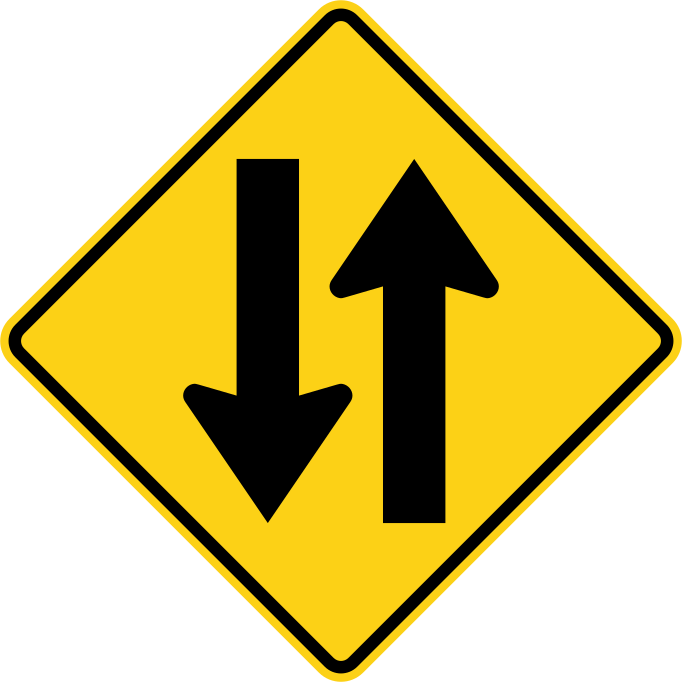
Question 55What does the 2-Way Traffic warning sign tell you?
Show answer
A: You are leaving a one-way road and entering a road with opposing traffic. The 2-Way Traffic sign appears when you leave a one-way roadway and enter one with opposing traffic. Wisconsin Motorists' Handbook (BDS126): Section 4: Signs — A. Warning, page 27.
-
Question 56What colors may a School Crossing or School Zone sign be in Wisconsin?

Show answer
A: Fluorescent green or yellow. School Crossing and School Zone signs may be fluorescent green or yellow. Wisconsin Motorists' Handbook (BDS126): Section 4: Signs — A. Warning, page 27.
-
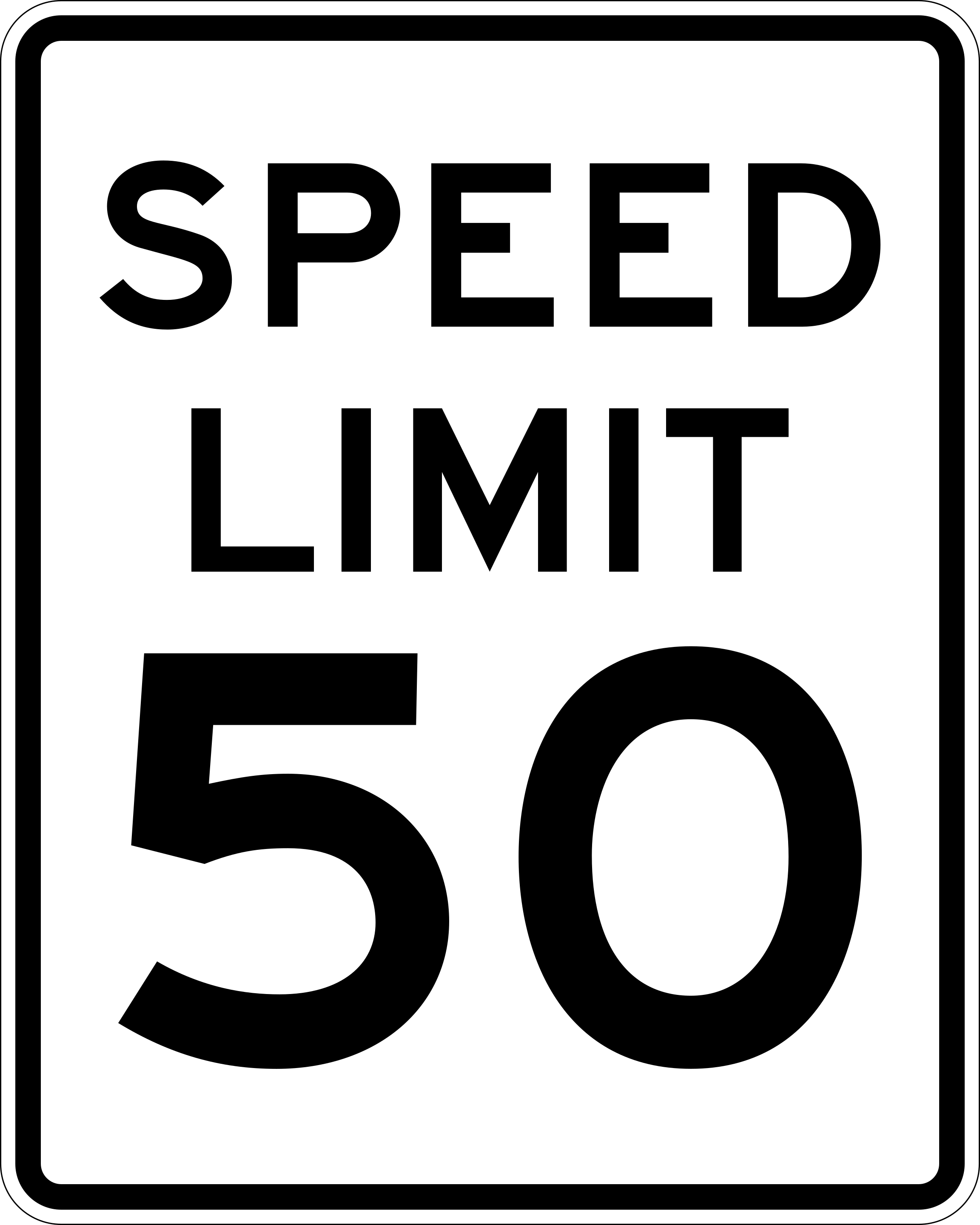
Question 57A white Speed Limit sign shows the maximum speed allowed under what conditions?
Show answer
A: Good driving conditions. The speed limit indicates the maximum speed you can drive in good driving conditions. Wisconsin Motorists' Handbook (BDS126): Section 4: Signs — B. Regulatory, page 28.
-
Question 58What does a triangle-shaped sign with reflective orange markings on the back of a vehicle mean?
Show answer
A: Slow-moving vehicle that may travel 25 mph or less. The Slow Moving Vehicle emblem marks a vehicle that could travel at 25 mph or less. Wisconsin Motorists' Handbook (BDS126): Section 4: Signs — B. Regulatory, page 29.
-
Question 59What happens to traffic fines in Wisconsin work zones?
Show answer
A: They double. Traffic fines double in work zone areas. Wisconsin Motorists' Handbook (BDS126): Section 4: Signs — C. Construction, page 30.
-
Question 60In a Wisconsin construction zone, when may you use a cellphone?
Show answer
A: Only to report an emergency. You can only use your cellphone in a construction zone to report an emergency. Wisconsin Motorists' Handbook (BDS126): Section 4: Signs — C. Construction, page 30.
-
Question 61How often are Wisconsin mile marker signs posted?
Show answer
A: Every one to two-tenths of a mile. Mile markers are posted at every one to two-tenths of a mile. Wisconsin Motorists' Handbook (BDS126): Section 4: Signs — F. Mile Marker, page 32.
-
Question 62Which Wisconsin route sign is described as looking like a milk jug with a spout?
Show answer
A: State road. The Wisconsin state road sign looks like a milk jug with a spout and is white with black lettering. Wisconsin Motorists' Handbook (BDS126): Section 4: Signs — G. Route Number, page 33.
-
Question 63What does an "Exempt" sign at a railroad crossing mean?
Show answer
A: Certain vehicles are not required to stop before crossing. An Exempt sign means certain vehicles are not required to stop before crossing. Wisconsin Motorists' Handbook (BDS126): Section 4: Signs — H. Railroad Crossing, page 34.
-
Question 64A train has just passed at a crossing with two tracks. Before crossing, what should you do?
Show answer
A: Wait until the train is far away so you can see the other track is clear. Before crossing double tracks, wait until the train is far away so you can see the tracks are clear. Wisconsin Motorists' Handbook (BDS126): Section 4: Signs — H. Railroad Crossing, page 35.
-
Question 65A traffic light is not working because of a power outage. How should you treat the intersection?
Show answer
A: As if the signal were a stop sign. If a traffic light loses power or is not working right, proceed as if the signal were a stop sign. Wisconsin Motorists' Handbook (BDS126): Section 5: Signals, Pavement Markings and Lane Controls — A. Traffic Signals, page 36.
-
Question 66In Wisconsin, when may you turn left on a steady red light?
Show answer
A: When turning from a one-way street onto a one-way street, after stopping. You may turn left on red from a one-way onto a one-way street after stopping and yielding. Wisconsin Motorists' Handbook (BDS126): Section 5: Signals, Pavement Markings and Lane Controls — A. Traffic Signals, page 36.
-
Question 67What does a steady red arrow mean?
Show answer
A: Stop and wait for the light to turn green. A steady red arrow means stop and wait for the light to turn green. Wisconsin Motorists' Handbook (BDS126): Section 5: Signals, Pavement Markings and Lane Controls — A. Traffic Signals, page 36.
-
Question 68What does a flashing yellow arrow mean?
Show answer
A: You may turn after yielding; proceed with caution. A flashing yellow arrow means yield first before turning and proceed with caution. Wisconsin Motorists' Handbook (BDS126): Section 5: Signals, Pavement Markings and Lane Controls — A. Traffic Signals, page 37.
-
Question 69A solid white line separates your lane from the next. When may you cross it?
Show answer
A: Only for a hazard or if turning within the next block. You may cross a solid white lane line only if there is a hazard or you are turning within the next block. Wisconsin Motorists' Handbook (BDS126): Section 5: Signals, Pavement Markings and Lane Controls — B. Types of Line Markings, page 38.
-
Question 70On a road with double solid yellow lines, which vehicle may you pass if safe?
Show answer
A: A vehicle going less than half the speed limit, unless it is farm equipment. You can pass a vehicle going less than half the speed limit if it is safe, except farm equipment. Wisconsin Motorists' Handbook (BDS126): Section 5: Signals, Pavement Markings and Lane Controls — B. Types of Line Markings, page 39.
-
Question 71Above a reversible lane you see a yellow X. What should you do?
Show answer
A: Move to a lane with a green arrow; the lane is changing. A yellow X means the lane is changing; move to a lane with a green arrow. Wisconsin Motorists' Handbook (BDS126): Section 5: Signals, Pavement Markings and Lane Controls — C. Special Lanes, page 40.
-
Question 72How are reversible lanes marked on the pavement?
Show answer
A: Double dashed yellow lines. Each reversible lane has double dashed yellow lines. Wisconsin Motorists' Handbook (BDS126): Section 5: Signals, Pavement Markings and Lane Controls — C. Special Lanes, page 40.
-
Question 73When may a regular car use a reserved lane, such as a bus-only lane?
Show answer
A: To turn across it within the next half block. You can travel in a reserved lane if you need to turn across it in the next half of a block. Wisconsin Motorists' Handbook (BDS126): Section 5: Signals, Pavement Markings and Lane Controls — C. Special Lanes, page 41.
-
Question 74Which vehicles may NOT drive in a Wisconsin flex lane?
Show answer
A: Large trucks. No large trucks can drive in the flex lane. Wisconsin Motorists' Handbook (BDS126): Section 5: Signals, Pavement Markings and Lane Controls — C. Special Lanes, page 42.
-
Question 75You are already inside a roundabout when an emergency vehicle with its siren on enters. What should you do?
Show answer
A: Exit at the next right, then pull over. If you are already in the roundabout, safely exit at the next right, then pull over; avoid stopping inside it. Wisconsin Motorists' Handbook (BDS126): Section 6: Driving Situations — A. Roundabouts, page 43.
-
Question 76Under Wisconsin's handbook guidance, what may happen to a deer you hit with your car?
Show answer
A: You may keep it; if you do not want it, the next motorist may keep it. If you hit a deer you can keep it; if not, the next motorist can. Call police so they can issue a tag. Wisconsin Motorists' Handbook (BDS126): Section 6: Driving Situations — E. Watch for Deer, page 47.
-
Question 77Which vehicle in a funeral procession must obey traffic signs and signals?
Show answer
A: The first vehicle. The first vehicle in the line must follow traffic signs and signals; do not cut into the line. Wisconsin Motorists' Handbook (BDS126): Section 6: Driving Situations — F. Funeral Processions, page 47.
-
Question 78In reduced visibility, how do other vehicles often appear?
Show answer
A: To be moving slower than they actually are. In reduced visibility, vehicles may appear to be moving slower than they actually are. Wisconsin Motorists' Handbook (BDS126): Section 7: Driving Conditions — A. Reduced Visibility, page 48.
-
Question 79Can hydroplaning happen at low speeds?
Show answer
A: Yes, if your tires are bald. Hydroplaning can happen at low speeds if your tires are bald. Wisconsin Motorists' Handbook (BDS126): Section 7: Driving Conditions — B. Severe Weather, page 48.
-
Question 80How much room should you give a snowplow with flashing lights?
Show answer
A: At least 200 feet. Give snowplows at least 200 feet of room when their lights are flashing red, amber or green. Wisconsin Motorists' Handbook (BDS126): Section 7: Driving Conditions — C. Winter, page 49.
-
Question 81What is the minimum age to operate a farm tractor on Wisconsin highways?
Show answer
C: 16. No one under 16 years old can operate a farm tractor or self-propelled farm machinery on highways. Wisconsin Motorists' Handbook (BDS126): Section 7: Driving Conditions — D. Farm Safety/Rural Driving, page 49.
-
Question 82According to the handbook, how does the chance of a crash change when a teen driver has another teen in the vehicle?
Show answer
A: It doubles. The chance of a crash doubles if a teen driver has another teen in the vehicle. Wisconsin Motorists' Handbook (BDS126): Section 8: Handling Emergencies — A. Avoiding Crashes, page 50.
-
Question 83How should you use anti-lock brakes (ABS) in an emergency stop?
Show answer
A: Apply firm, continuous pressure to the brake pedal. With ABS, apply firm, continuous pressure until the vehicle stops or the danger passes. Wisconsin Motorists' Handbook (BDS126): Section 8: Handling Emergencies — A. Avoiding Crashes, page 50.
-
Question 84In Wisconsin, a crash must be reported to police if property damage is at least how much?
Show answer
B: $1,000. A crash must be reported if property damage is $1,000 or more. Wisconsin Motorists' Handbook (BDS126): Section 8: Handling Emergencies — B. Crashes, page 51.
-
Question 85A crash damages government property such as a guardrail. At what amount must it be reported to police?
Show answer
B: $200. Government property damage of $200 or more must be reported to police. Wisconsin Motorists' Handbook (BDS126): Section 8: Handling Emergencies — B. Crashes, page 51.
-
Question 86You pull the parking brake after your brakes fail and the car starts to skid. What should you do?
Show answer
A: Release the parking brake. If you start to skid, take off the parking brake. Wisconsin Motorists' Handbook (BDS126): Section 8: Handling Emergencies — C. Roadside Emergencies, page 52.
-
Question 87Your engine stops while driving. What should you expect and do?
Show answer
A: Steering will be hard; keep the key on and pull off when safe. Keep the key in the on position, hold the wheel and pull over; the steering will be hard to turn. Wisconsin Motorists' Handbook (BDS126): Section 8: Handling Emergencies — C. Roadside Emergencies, page 52.
-
Question 88What alcohol concentration is allowed for Wisconsin drivers under 21?
Show answer
A: 0.00%. The legal alcohol concentration for drivers under 21 is 0.00%; you cannot have any alcohol in your system. Wisconsin Motorists' Handbook (BDS126): Section 9: Dangerous Driving Behaviors — A. Alcohol, Drugs and Driving, page 53.
-
Question 89In Wisconsin, how is any amount of a controlled substance in your system treated while driving?
Show answer
A: The same as operating impaired. The handbook says any amount of a controlled substance is the same as operating impaired. Wisconsin Motorists' Handbook (BDS126): Section 9: Dangerous Driving Behaviors — A. Alcohol, Drugs and Driving, page 53.
-
Question 90If you refuse a requested alcohol test in Wisconsin, how long will you lose your driving privileges at minimum?
Show answer
C: One year. Refusing means arrest for violating the Implied Consent Law and losing your driving privileges for at least one year. Wisconsin Motorists' Handbook (BDS126): Section 9: Dangerous Driving Behaviors — A. Alcohol, Drugs and Driving, page 53.
-
Question 91What does the handbook say about headphones while driving?
Show answer
A: Do not wear headsets or headphones that cover or go in both ears. Do not drive with headsets or headphones that cover or go in both ears. Wisconsin Motorists' Handbook (BDS126): Section 9: Dangerous Driving Behaviors — B. Distracted Driving, page 53.
-
Question 92When may Wisconsin instruction permit holders use a cell phone while driving?
Show answer
A: Only to report an emergency. Instruction permit and probationary license holders can only use a cell phone to report an emergency. Wisconsin Motorists' Handbook (BDS126): Section 9: Dangerous Driving Behaviors — B. Distracted Driving, page 53.
-
Question 93Which group does the handbook say is at greater risk of drowsy-driving crashes?
Show answer
A: Teen and young adult drivers. Teen and young adult drivers are at greater risk of drowsy-related crashes. Wisconsin Motorists' Handbook (BDS126): Section 9: Dangerous Driving Behaviors — C. Drowsy Driving, page 54.
-
Question 94May you drive on a sidewalk in Wisconsin?
Show answer
A: Only when crossing it. It is illegal to drive on a sidewalk unless you are crossing it. Wisconsin Motorists' Handbook (BDS126): Section 10: Sharing the Road — A. Pedestrians, page 55.
-
Question 95You approach an emergency vehicle stopped with its lights flashing on a multi-lane road. What does Wisconsin's move-over rule require?
Show answer
A: Move into the lane not nearest the stopped vehicle, or slow down. Move into the lane not nearest the stopped vehicle and stay there until past it, or slow down if you cannot move over. Wisconsin Motorists' Handbook (BDS126): Section 10: Sharing the Road — B. Emergency Vehicles, page 55.
-
Question 96How far from a stopped school bus with flashing red lights must you stop in Wisconsin?
Show answer
B: At least 20 feet. When a school bus is stopped with red lights flashing, stop at least 20 feet from it. Wisconsin Motorists' Handbook (BDS126): Section 10: Sharing the Road — C. School Buses, page 55.
-
Question 97A school bus stopped with flashing red lights is on the opposite side of an undivided two-lane road. What must you do?
Show answer
A: Stop. You must stop whether the bus is on your side or the opposite side of the road. Wisconsin Motorists' Handbook (BDS126): Section 10: Sharing the Road — C. School Buses, page 55.
-
Question 98On a divided highway with a barrier, a school bus is stopped with red lights flashing on the other side. Must you stop?
Show answer
A: No. If you are on a divided highway and not on the bus's side, you do not need to stop. Wisconsin Motorists' Handbook (BDS126): Section 10: Sharing the Road — C. School Buses, page 55.
-
Question 99How much room must you give a bicyclist when passing?
Show answer
B: At least 3 feet. Give bicyclists at least three feet of room when you pass. Wisconsin Motorists' Handbook (BDS126): Section 10: Sharing the Road — E. Bicycles, page 56.
-
Question 100About how far behind a large truck does its No-Zone extend?
Show answer
C: About 200 feet. The No-Zone is about 200 feet behind and 20 feet in front of large trucks. Wisconsin Motorists' Handbook (BDS126): Section 10: Sharing the Road — F. No-Zones, page 56.
-
Question 101About how far in front of a large truck is its No-Zone?
Show answer
B: About 20 feet. The No-Zone extends about 20 feet in front of large trucks. Wisconsin Motorists' Handbook (BDS126): Section 10: Sharing the Road — F. No-Zones, page 56.
-
Question 102How many demerit points within 12 months will suspend or revoke your Wisconsin driving privilege?
Show answer
D: 12. You will not be able to drive if you get 12 or more demerit points within any 12-month period. Wisconsin Motorists' Handbook (BDS126): Section 11: Your Driving Privilege — A. Point System, page 57.
-
Question 103For Wisconsin probationary license holders, what happens to demerit points?
Show answer
A: They are doubled on the second and later convictions. Probationary license holders have points doubled on the second conviction and any after that. Wisconsin Motorists' Handbook (BDS126): Section 11: Your Driving Privilege — A. Point System, page 57.
-
Question 104A Wisconsin habitual traffic offender has how many major traffic violations within five years?
Show answer
C: Four or more. A habitual offender is convicted of four or more major or 12 or more minor violations within five years. Wisconsin Motorists' Handbook (BDS126): Section 11: Your Driving Privilege — B. Habitual Traffic Offender, page 57.
-
Question 105How long is a Wisconsin habitual traffic offender's license revoked?
Show answer
C: Five years. Habitual traffic offenders cannot drive for five years; they may be eligible for an occupational license after two years. Wisconsin Motorists' Handbook (BDS126): Section 11: Your Driving Privilege — B. Habitual Traffic Offender, page 57.
-
Question 106How many hours per week may you drive with a Wisconsin occupational license?
Show answer
C: Up to 60. An occupational license allows driving up to 12 hours a day and up to 60 hours a week for work, school and household needs. Wisconsin Motorists' Handbook (BDS126): Section 11: Your Driving Privilege — C. Occupational License, page 57.
-
Question 107Until what age must Wisconsin children generally ride in a child safety seat?
Show answer
B: 4. Generally, children must be in a child safety seat until age four. Wisconsin Motorists' Handbook (BDS126): Section 12: Other Important Information — D. Seat Belts (Safety Belts), page 59.
-
Question 108Until what age must Wisconsin children generally ride in a booster seat?
Show answer
C: 8. Children generally ride in a booster seat until age eight. Wisconsin Motorists' Handbook (BDS126): Section 12: Other Important Information — D. Seat Belts (Safety Belts), page 59.
-
Question 109You borrow a friend's car. Whose job is it to make sure the car is insured?
Show answer
A: Yours, as the driver. If you are driving someone else's car, it is your job to make sure it has insurance. Wisconsin Motorists' Handbook (BDS126): Section 12: Other Important Information — E. Insurance Requirements, page 59.
-
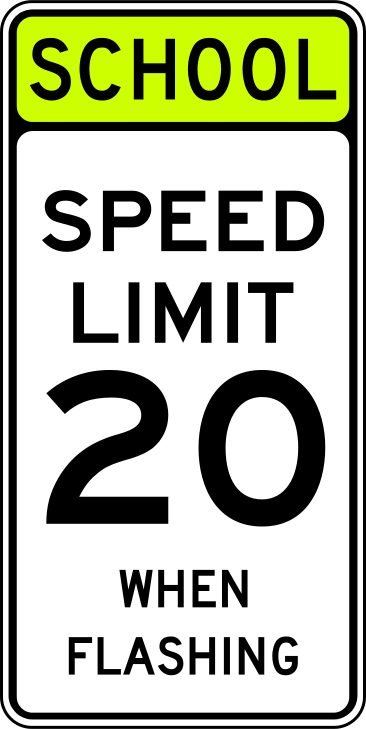
Question 110A sign reads SCHOOL SPEED LIMIT 15 WHEN CHILDREN ARE PRESENT. When does the 15 mph limit apply?
Show answer
A: When children are visible. In a school zone, when children are visible you cannot exceed the posted speed. Wisconsin Motorists' Handbook (BDS126): Section 4: Signs — B. Regulatory, page 28.
-
Question 111After parallel parking, how much space should you leave from the vehicles in front and behind?
Show answer
A: At least 2 feet. You should be at least 2 feet away from the vehicle in front of you and behind you. Wisconsin Motorists' Handbook (BDS126): Section 3: The Basics — J. Parking, page 24.
-
Question 112At a roundabout, should you yield to semitrucks?
Show answer
A: Yes. The handbook's roundabout steps include yielding to semitrucks. Wisconsin Motorists' Handbook (BDS126): Section 6: Driving Situations — A. Roundabouts, page 43.
Answer every question to see your score.
Remembering the numbers
Most mistakes on the Wisconsin DMV test are about specifics: how many feet before a turn to signal, how far to park from a hydrant, the alcohol limit for drivers under 21. Write the numbers from these questions on a card and review them before the test, then take the exam simulator.