Connecticut road signs practice test
Road signs are part of the Connecticut DMV knowledge test. Practise the 25 sign questions we wrote from the Connecticut handbook, then drill every common sign.
Connecticut handbook sign questions
-
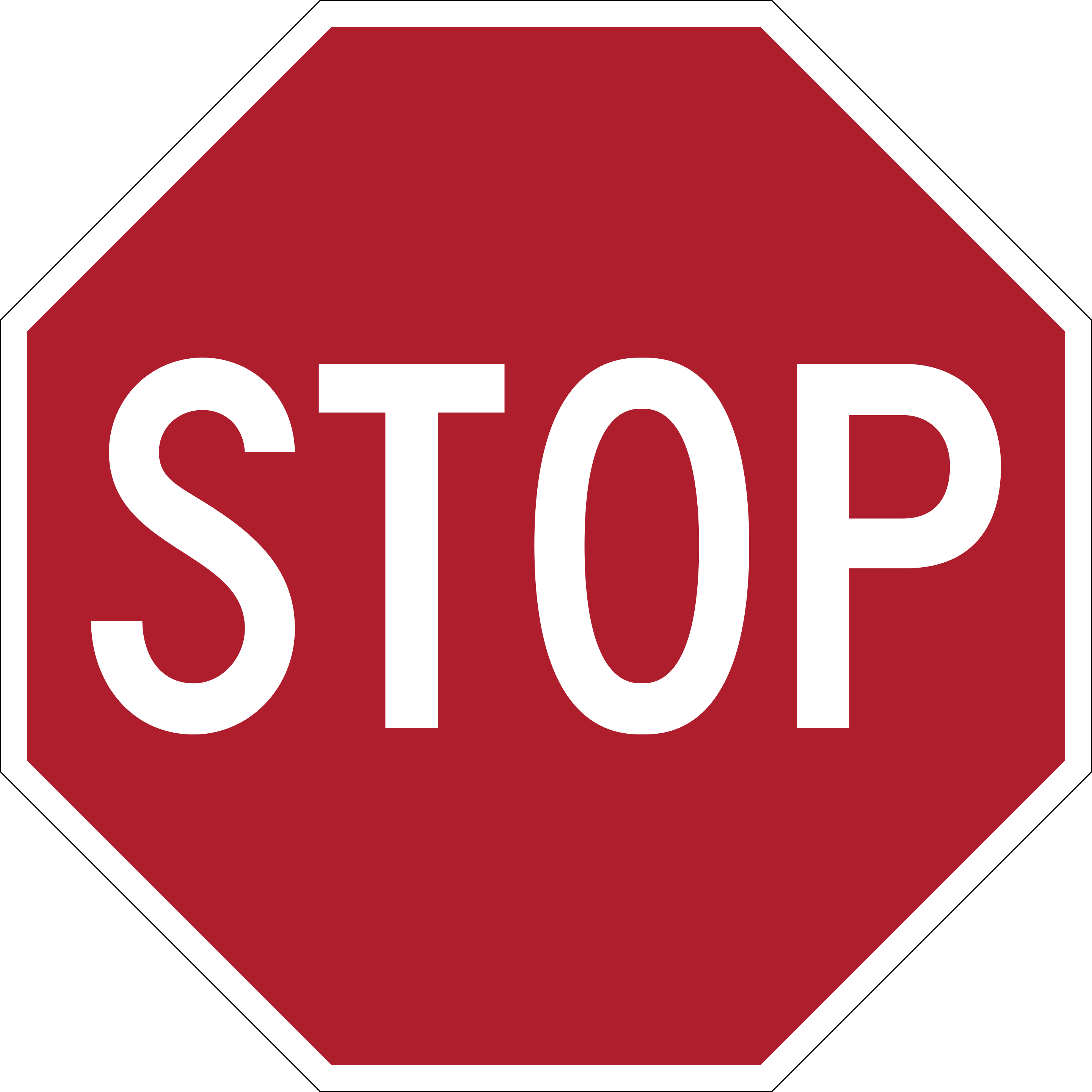
Question 1What does an eight-sided (octagon) sign always mean?
Show answer
D: Stop. The octagon shape always means stop; come to a complete stop at the sign, stop line, crosswalk or curb. Connecticut Driver's Manual: Traffic Signs: Shapes, page 48.
-
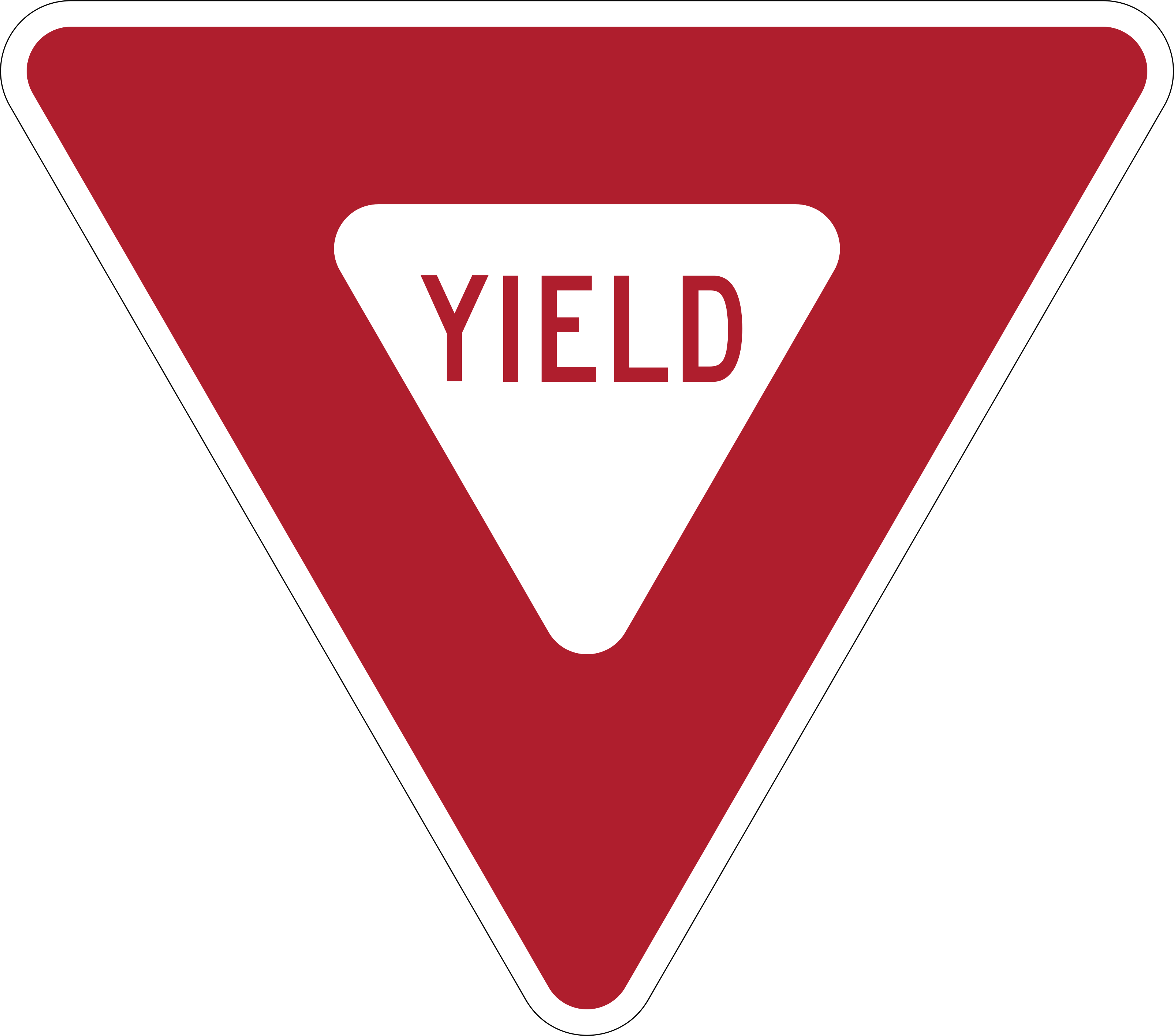
Question 2What should you do at this downward-pointing triangle sign?
Show answer
D: Slow down and yield the right-of-way, stopping if necessary. A yield sign means slow down to a reasonable speed and yield the right-of-way to traffic you are crossing or entering; stop if necessary. Connecticut Driver's Manual: Traffic Signs: Shapes, page 48.
-
Question 3What does a five-sided (pentagon) sign mean?

Show answer
D: School zone or school crossing. The pentagon shape marks school zones and warns of school crossings. Connecticut Driver's Manual: Traffic Signs: Shapes, page 48.
-
Question 4What does a round (circular) yellow sign warn you of?

Show answer
C: A railroad crossing ahead. The round yellow sign is the advance warning for a railroad crossing; slow down and look and listen for trains. Connecticut Driver's Manual: Traffic Signs: Shapes, page 48.
-
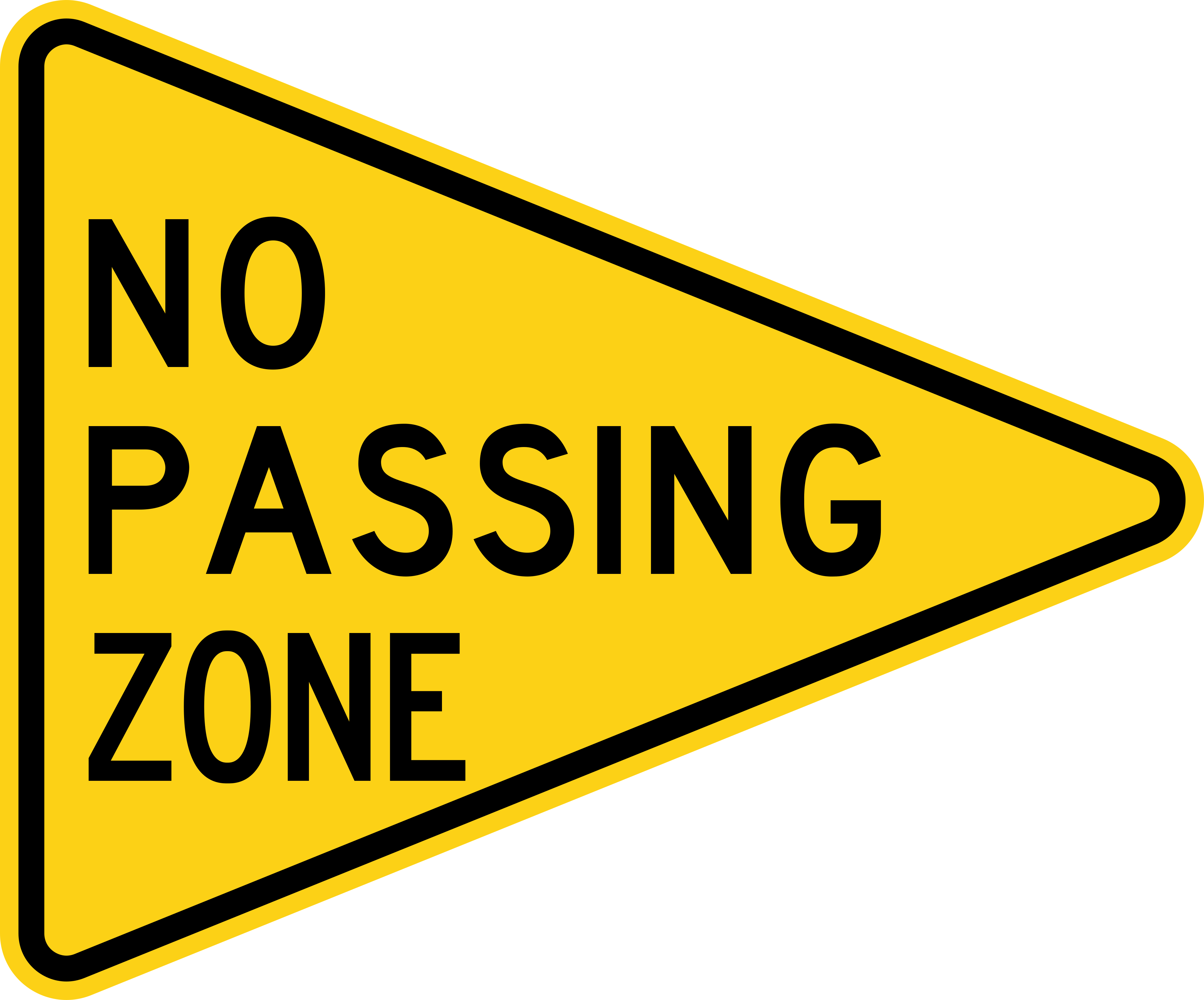
Question 5A pennant-shaped (three-sided, sideways) sign on the left side of the road means what?
Show answer
A: The beginning of a no-passing zone. The pennant-shaped sign is on the left side of a two-lane road at the beginning of a no-passing zone. Connecticut Driver's Manual: Traffic Signs: Shapes, page 48.
-
Question 6What do diamond-shaped signs indicate?
Show answer
B: Warnings of special conditions or hazards ahead. Diamond-shaped signs warn of special conditions or hazards ahead; be ready to slow down or stop. Connecticut Driver's Manual: Traffic Signs: Shapes, page 48.
-
Question 7What color are guide signs that tell you where you are, which way to go and the distance?
Show answer
A: Green. Green is used for guide signs showing where you are, which way to go and distances. Connecticut Driver's Manual: Colors, page 49.
-
Question 8What does a brown sign tell you about?
Show answer
A: Parks and recreation areas. Brown is used for parks and recreation signs. Connecticut Driver's Manual: Colors, page 49.
-
Question 9Blue signs along the road tell you about what?
Show answer
B: Services such as gas, rest areas and hospitals. Blue is used for guide signs that tell you about services along the roadway. Connecticut Driver's Manual: Colors, page 49.
-
Question 10Orange signs warn you of what?
Show answer
A: Construction and maintenance work. Orange is used for warning signs about construction and maintenance projects. Connecticut Driver's Manual: Colors, page 49.
-
Question 11Which color may be used for pedestrian, bicycle and school warning signs?
Show answer
A: Fluorescent yellow-green. School, pedestrian and bicycle warning signs may use a bright fluorescent yellow-green background. Connecticut Driver's Manual: Colors, page 49.
-
Question 12What does a red circle with a slash over a symbol mean on a regulatory sign?
Show answer
B: The action shown is prohibited. Regulatory signs with a red circle and slash prohibit the action shown, such as no left turn or no U-turn. Connecticut Driver's Manual: Regulatory Signs, page 49.
-
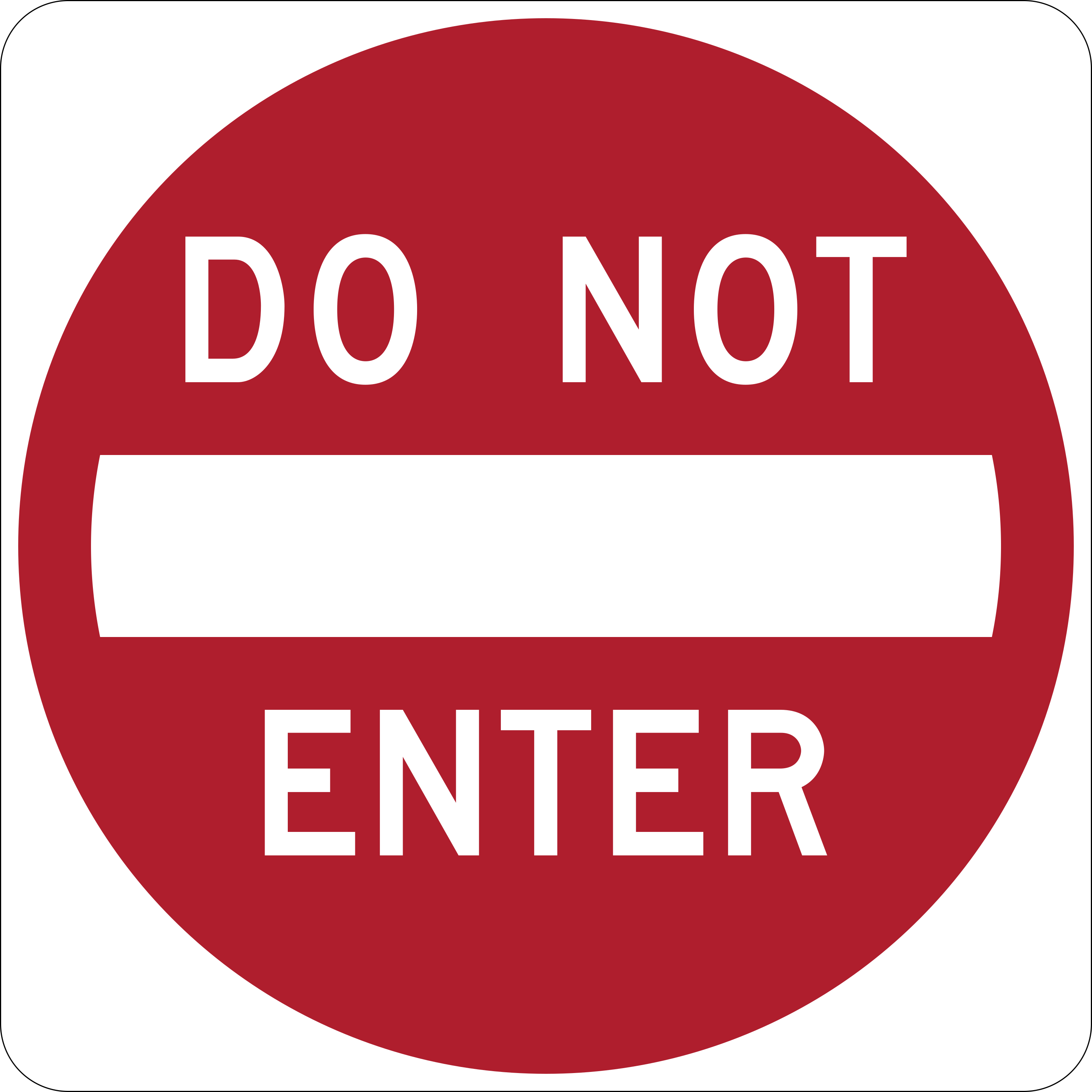
Question 13Where would you typically see a DO NOT ENTER sign?
Show answer
B: On exit ramps that would take you the wrong way and on one-way streets. Do Not Enter signs mark openings you should not enter, such as exit ramps in the wrong direction, crossovers and one-way streets. Connecticut Driver's Manual: Do Not Enter Sign, page 49.
-
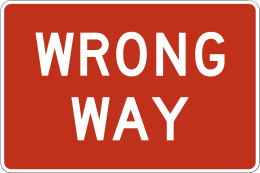
Question 14You see a WRONG WAY sign. What should you do?
Show answer
A: Do not drive past it; turn around. The Wrong Way sign identifies a one-way road or wrong side of a divided highway; do not drive past it—turn around. Connecticut Driver's Manual: Wrong Way, page 49.
-
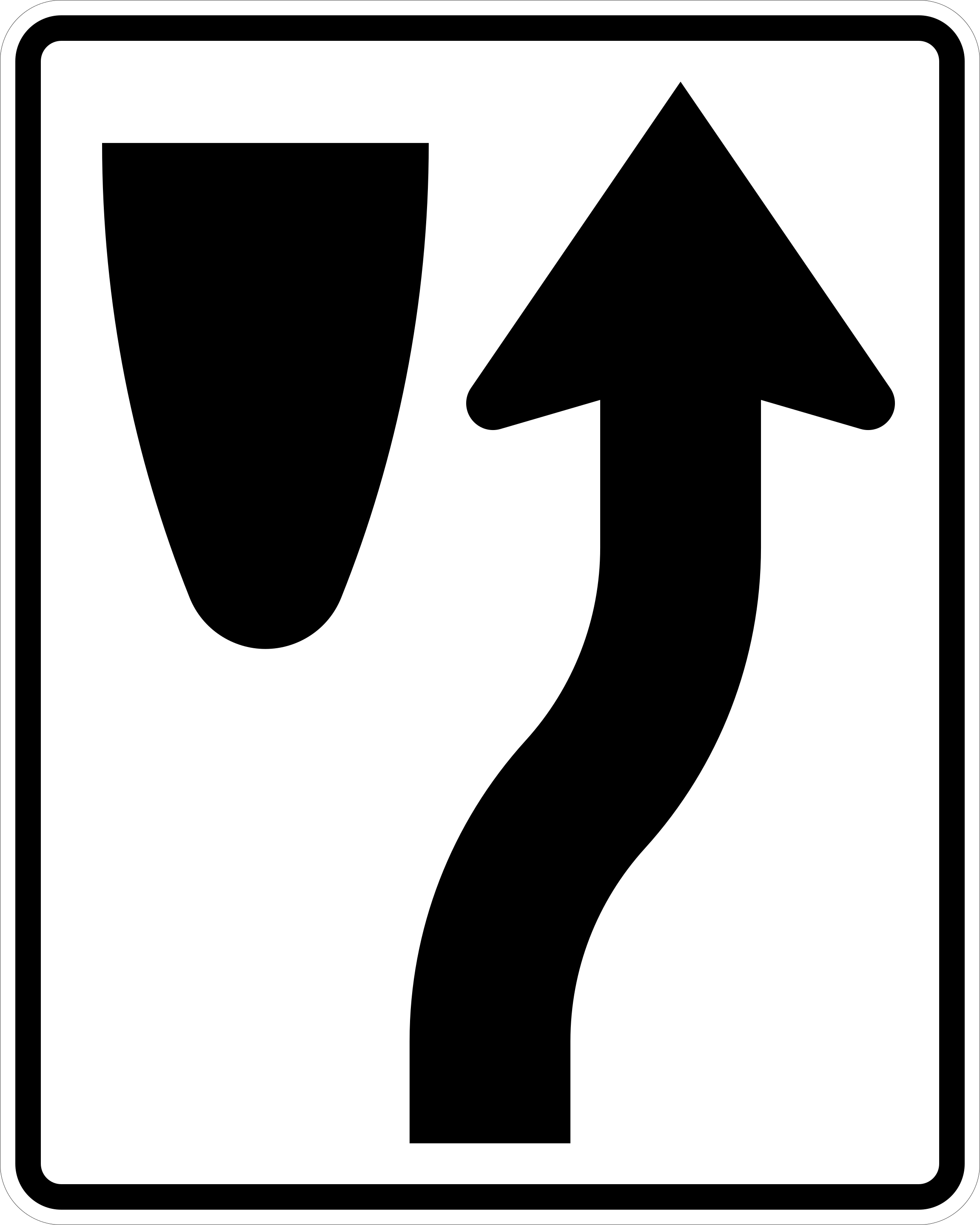
Question 15What does a KEEP RIGHT sign tell you?
Show answer
A: Drive to the right of a traffic island, median or obstruction. Keep Right signs tell you which side to drive on around islands, medians or obstructions; drive on the side the arrow shows. Connecticut Driver's Manual: Keep Right, page 50.
-
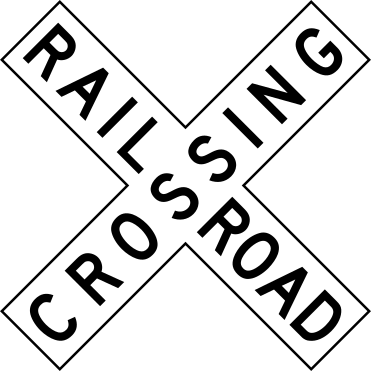
Question 16A white X-shaped railroad crossbuck has the same meaning as which sign?
Show answer
D: Yield. The crossbuck at the tracks works like a yield sign: slow down, and stop if needed so any train passes first. Connecticut Driver's Manual: Railroad Crossbuck, page 54.
-
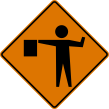
Question 17What does a warning sign showing a flag person mean?
Show answer
C: A flagger is ahead; follow their directions. The flag person sign warns that a flagger is ahead; always follow his or her directions. Connecticut Driver's Manual: Flag Person, page 53.
-
Question 18What does a MERGE sign mean?

Show answer
A: Two lanes are about to become one; drivers in both lanes must merge smoothly. The merge sign means two lanes are about to become one, and drivers in both lanes share the job of merging smoothly. Connecticut Driver's Manual: Merge, page 51.
-
Question 19A warning sign shows the number of lanes reducing. What should you be ready to do?

Show answer
A: Change lanes or let other vehicles merge into your lane. The lane reduction sign warns of fewer lanes ahead; be prepared to change lanes or allow others to merge. Connecticut Driver's Manual: Reduction in Lanes, page 51.
-
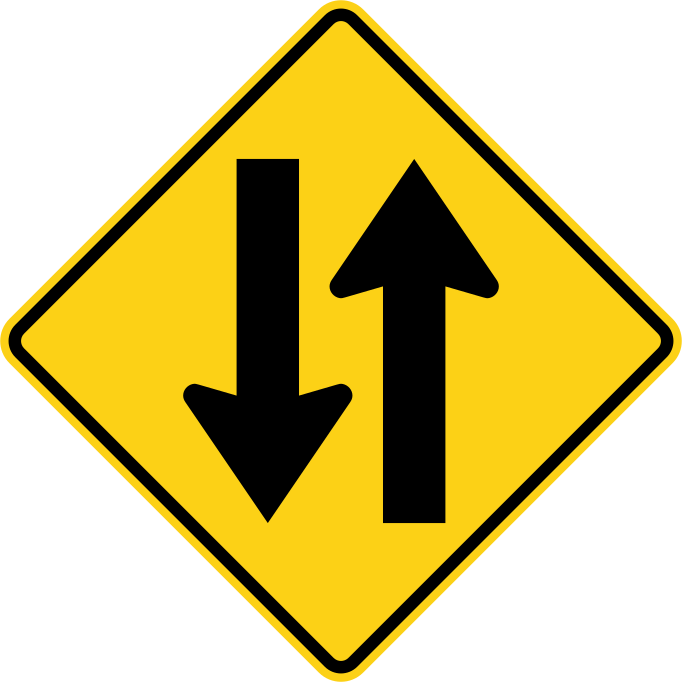
Question 20A TWO-WAY TRAFFIC warning sign means what?
Show answer
C: You are leaving a divided road and will drive on a two-way road. The two-way traffic sign warns that the divided highway is ending and oncoming traffic will soon share the road with you. Connecticut Driver's Manual: Two-Way Road Way, page 51.
-
Question 21What does a DIVIDED HIGHWAY BEGINS sign tell you to do?

Show answer
A: Keep right. The highway ahead splits into two one-way roadways separated by a median; keep right. Connecticut Driver's Manual: Divided Highway Begins, page 52.
-
Question 22What should you do when you see a SLIPPERY WHEN WET sign and the road is wet?

Show answer
C: Reduce speed, avoid hard braking or sudden turns, and increase following distance. On wet pavement reduce speed, don't brake hard or change direction suddenly, and increase your distance from the car ahead. Connecticut Driver's Manual: Slippery when Wet, page 51.
-
Question 23A small plaque with a speed, posted below a curve warning sign, means what?

Show answer
C: The advisory (safe) speed for that condition. The advisory speed plaque, usually below another warning sign, shows the advisory speed for the condition. Connecticut Driver's Manual: Advisory Speed Plaque, page 51.
-
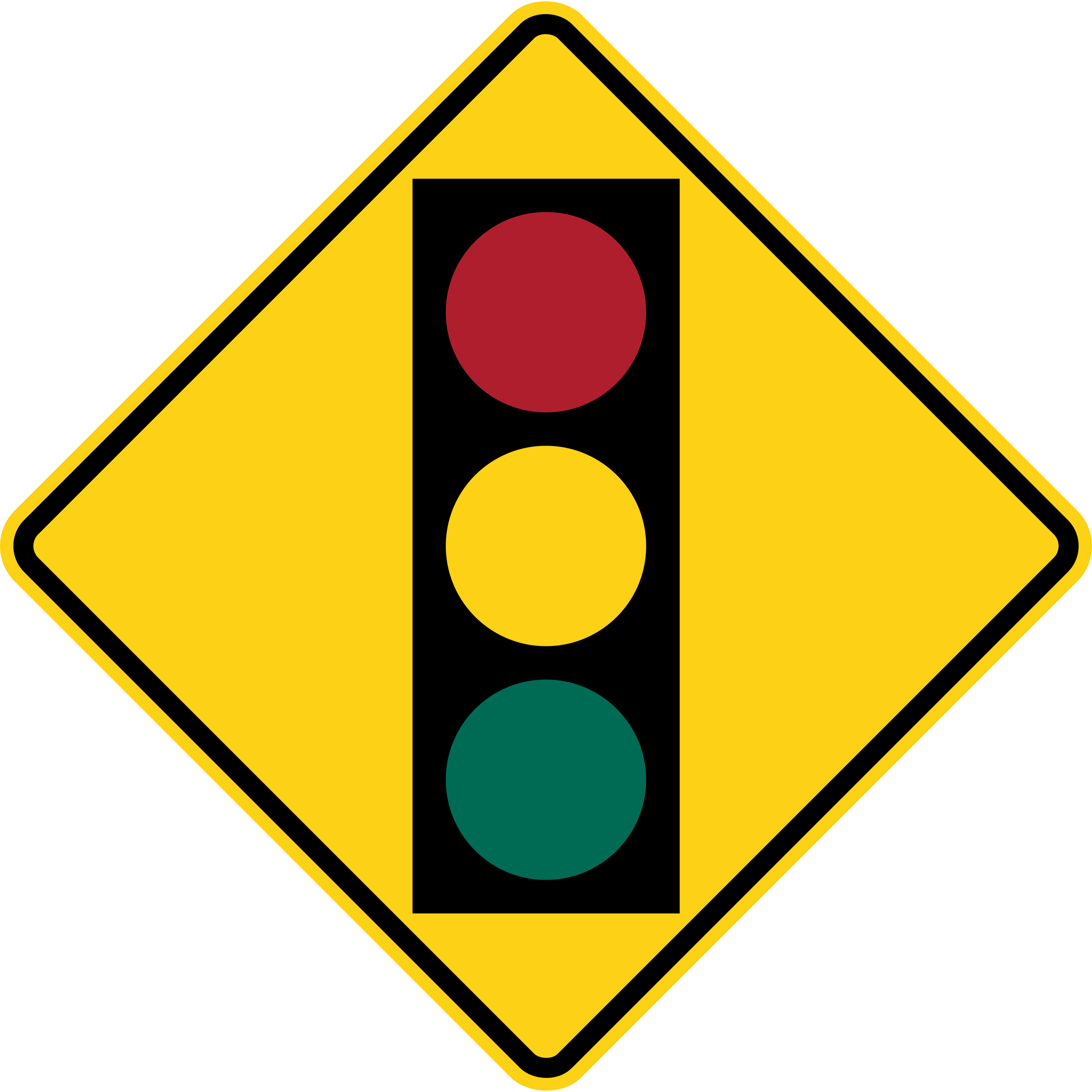
Question 24What does a black-on-yellow sign showing a traffic light mean?
Show answer
D: Traffic signals ahead; slow down and prepare to stop. The Signal Ahead sign means traffic signals are ahead; slow down and prepare to stop. Connecticut Driver's Manual: Signal Ahead, page 51.
-
Question 25Where do milepost numbers usually start at zero in Connecticut?
Show answer
B: At the south and west borders of the state. Mileposts are placed every mile, and zero usually starts at the south and west borders of the state. Connecticut Driver's Manual: Destination and Distance Signs, page 53.
Answer every question to see your score.
Road signs drill
20 random signs from our library of US road signs. Signs are the same in every state under the federal sign manual.
Name the sign
Every road sign explained: shape, color, meaning and what to do.