Florida FLHSMV permit practice test 2
25 questions written from the Official Florida Driver License Handbook (Class E), covering alcohol and drugs, licensing laws and penalties, safe and defensive driving, road signs, signals and pavement markings and more. Pick an answer to see straight away whether you're right and why. The real Florida FLHSMV test has 50 questions and you need 40 right.
-
Question 1A driver under 21 is stopped with a BAL of .02 or higher. What happens?
Show answer
A: The driving privilege is automatically suspended for six months. Under Zero Tolerance, any driver under 21 with a BAL of .02 or higher automatically has their driving privilege suspended for six months. Official Florida Driver License Handbook (Class E): Zero Tolerance, page 34.
-
Question 2Who must accompany a Florida learner's license holder at all times?
Show answer
A: A licensed driver 21 or older in the closest seat to the right of the driver. Learners must always drive with a licensed driver age 21+ who rides in the closest seat to the right of the driver. Official Florida Driver License Handbook (Class E): Important Info for Minor Drivers: Learner's License, page 9.
-
Question 3Why is texting one of the most dangerous distractions?
Show answer
A: It involves all three types of distraction: visual, manual and cognitive. Texting involves all three categories of distraction, making it one of the most dangerous behaviors. Official Florida Driver License Handbook (Class E): Distracted Driving, page 42.
-
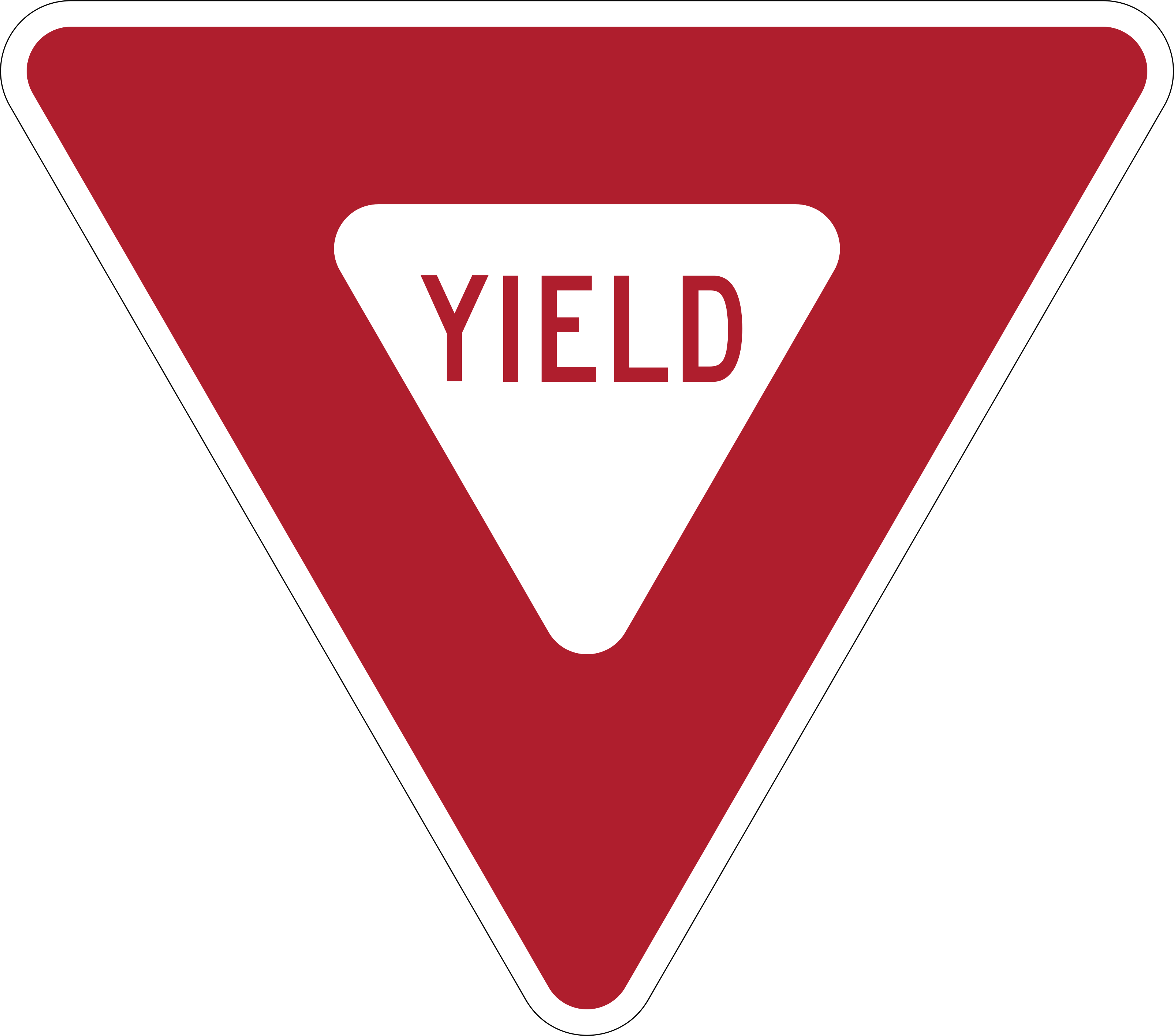
Question 4What does a YIELD sign require you to do?
Show answer
A: Slow down and give the right-of-way to vehicles crossing your path; go without stopping only if the way is clear. A yield sign means slow down and let crossing traffic go first; if the way is clear you may move forward slowly without stopping. Official Florida Driver License Handbook (Class E): Regulatory Signs: Yield, page 55.
-
Question 5White lane lines separate:
Show answer
A: Lanes of traffic moving in the same direction. White lane lines separate lanes of traffic moving in the same direction. Official Florida Driver License Handbook (Class E): Pavement Markings: White Lane Lines, page 51.
-
Question 6What are the three basic parts of every limited access highway entrance?
Show answer
A: Entrance ramp, acceleration lane and merging area. All limited access highway entrances have an entrance ramp, an acceleration lane and a merging area. Official Florida Driver License Handbook (Class E): Entering & Leaving Limited Access Highways, page 71.
-
Question 7You are pulling out of a driveway onto a street. Whom must you yield to?
Show answer
A: Vehicles on the road, plus pedestrians and bicyclists on the sidewalk or in bike lanes. Drivers entering a road from a driveway, alley or roadside must yield to vehicles on the main road and to pedestrians and bicyclists. Official Florida Driver License Handbook (Class E): Driveways, page 70.
-
Question 8When are turn signals required by law in addition to turning?
Show answer
A: When changing lanes or overtaking a vehicle. Turn signals are required by law when changing lanes or overtaking a vehicle. Official Florida Driver License Handbook (Class E): Turning, page 77.
-
Question 9Unless otherwise posted, what is the maximum speed on Florida streets and highways outside towns?
Show answer
A: 55 mph. The standard maximum on streets and highways is 55 mph except where otherwise posted. Official Florida Driver License Handbook (Class E): Florida Standard Speed Limits, page 76.
-
Question 10Rear-end collisions are almost always caused by:
Show answer
A: Drivers following too closely. Rear-end collisions are almost always caused by drivers following too closely. Official Florida Driver License Handbook (Class E): Following Distances, page 69.
-
Question 11What does Florida law require you to do before leaving your parked vehicle?
Show answer
A: Take the keys out of the vehicle. Florida law requires that you take the keys out of your vehicle before leaving it. Official Florida Driver License Handbook (Class E): Parking, page 73.
-
Question 12When may a bicyclist use the full travel lane?
Show answer
A: When the lane is too narrow for a car and bicycle to share safely, or to turn left, pass or avoid hazards. Bicyclists may use the full lane when making a left turn, passing, avoiding hazards, or when the lane is too narrow to share safely. Official Florida Driver License Handbook (Class E): Rules for Bicyclists, page 89.
-
Question 13Within how many feet of a vehicle you are following must you use low beams?
Show answer
A: 300 feet. Do not use high beams within 300 feet of the vehicle ahead of you. Official Florida Driver License Handbook (Class E): Night Driving, page 81.
-
Question 14In a vehicle with rear-wheel-only ABS, the front wheels lock up and you lose steering. What should you do?
Show answer
A: Let up on the brake pedal just enough for the front wheels to roll again. With rear-wheel ABS the front wheels can still lock; let up on the brake just enough to let them roll and regain control. Official Florida Driver License Handbook (Class E): Emergency Braking, page 86.
-
Question 15A driver under 21 with a BAL of .05 or higher must also:
Show answer
A: Attend a substance abuse course. Any driver under 21 with a BAL of .05 or higher is required to attend a substance abuse course. Official Florida Driver License Handbook (Class E): Zero Tolerance, page 34.
-
Question 16During the first three months, when may a learner's license holder drive?
Show answer
A: During daylight hours only. Learners may drive only during daylight hours during the first three months; after three months, until 10 p.m. Official Florida Driver License Handbook (Class E): Restrictions for Minors (Driving Curfews), page 33.
-
Question 17Where is it illegal in Florida to use a wireless device in a handheld manner while driving?
Show answer
A: In a designated school crossing, school zone or work zone. Florida law prohibits handheld use of a wireless communications device in a designated school crossing, school zone or work zone; texting while driving is illegal everywhere. Official Florida Driver License Handbook (Class E): Distracted Driving, page 42.
-
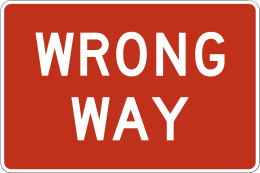
Question 18You see a WRONG WAY sign facing you. What should you do?
Show answer
A: Turn around immediately. A Wrong Way sign means you are traveling against traffic; turn around immediately. Official Florida Driver License Handbook (Class E): Regulatory Signs: Wrong Way, page 55.
-
Question 19Yellow lane lines separate:
Show answer
A: Lanes moving in opposite directions. Yellow lane lines separate lanes moving in opposite directions. Official Florida Driver License Handbook (Class E): Pavement Markings: Yellow Lane Lines, page 51.
-
Question 20When may you stop in the acceleration lane while entering a limited access highway?
Show answer
A: Only when traffic is too heavy and there is no space to enter safely. Do not stop in the acceleration lane unless traffic is too heavy and there is no space for you to enter safely. Official Florida Driver License Handbook (Class E): Entering & Leaving Limited Access Highways, page 71.
-
Question 21At an open intersection (no signs or signals), you must yield if:
Show answer
A: You are entering a paved road from an unpaved road. At an open intersection you must yield if you enter a paved road from an unpaved road, among other cases. Official Florida Driver License Handbook (Class E): Open Intersections, page 70.
-
Question 22Is it legal to use your turn signal to tell the driver behind you that it is safe to pass?
Show answer
A: No, it is against the law. It is against the law to use your directional signals to tell drivers behind you that they can pass. Official Florida Driver License Handbook (Class E): Turning, page 77.
-
Question 23What is the maximum speed limit on Florida limited access highways?
Show answer
A: 70 mph. Limited access highways have a 70 mph limit, and the speed limit in Florida is never higher than 70 mph. Official Florida Driver License Handbook (Class E): Florida Standard Speed Limits, page 76.
-
Question 24Which situation calls for MORE than the normal following distance?
Show answer
A: When you are being passed. Increase following distance in rain, low visibility, when being passed, when towing or carrying heavy loads, and when stopped behind a vehicle on an incline. Official Florida Driver License Handbook (Class E): Following Distances, page 69.
-
Question 25You are parking downhill next to a curb. How should you turn your front wheels?
Show answer
A: Toward the curb. Downhill: turn wheels to the curb so the car would roll into the curb. Official Florida Driver License Handbook (Class E): Parking on Hills, page 74.
Answer every question to see your score.
More Florida practice tests
- Practice test 125 questions
- Practice test 325 questions
- Practice test 425 questions
- Practice test 525 questions
- Practice test 625 questions
- Practice test 725 questions
- Practice test 825 questions
- Practice test 925 questions
- Practice test 1025 questions
- Practice test 1125 questions
- Practice test 1225 questions
- Practice test 1325 questions
- Practice test 1425 questions
- Practice test 1522 questions
- Exam simulatorThe real format, 50 questions
How to use these tests
Read each explanation, even when you get the question right: it tells you the rule and the handbook section, so you can look it up. Your answers are saved in this browser only, so the weak spots mode can give you more questions on the topics you miss. When you're scoring well, take the exam simulator: it uses the same number of questions and passing score as the real test.
Our own questions, written from the Official Florida Driver License Handbook (Class E) and checked against it. Not affiliated with the Florida Department of Highway Safety and Motor Vehicles. Found a mistake? Tell us.