Vermont DMV permit practice test
25 questions written from the Vermont Driver's Manual (VN-007), covering licensing laws and penalties, alcohol and drugs, safe and defensive driving, signals and pavement markings, road signs and more. Pick an answer to see straight away whether you're right and why. The real Vermont DMV test has 20 questions and you need 16 right.
-
Question 1How many questions are on the Vermont learner's permit knowledge test, and how many must you get right?
Show answer
A: 20 questions, 16 correct. The online knowledge test has 20 questions with four answer choices each; you must answer at least 16 correctly. Vermont Driver's Manual (VN-007): What are the Tests Like?, page 19.
-
Question 2At what blood alcohol concentration is a Vermont driver considered 'under the influence'?
Show answer
A: .08 or above. Vermont law states that a BAC of .08 or above means a person is under the influence or impaired. Vermont Driver's Manual (VN-007): Alcohol and other drugs, page 53.
-
Question 3What hand positions does the Vermont manual recommend on the steering wheel?
Show answer
A: 9 and 3 or 8 and 4. A 9 and 3 or an 8 and 4 position is recommended. Vermont Driver's Manual (VN-007): What should I practice first?, page 26.
-
Question 4A traffic signal is completely dark because of a power failure. What should you do?
Show answer
A: Stop as if there were stop signs in all directions. A signal with no lights at all, such as in a power outage, works like an all-way stop: stop, then go when it is your turn. Vermont Driver's Manual (VN-007): Traffic Lights, page 32.
-
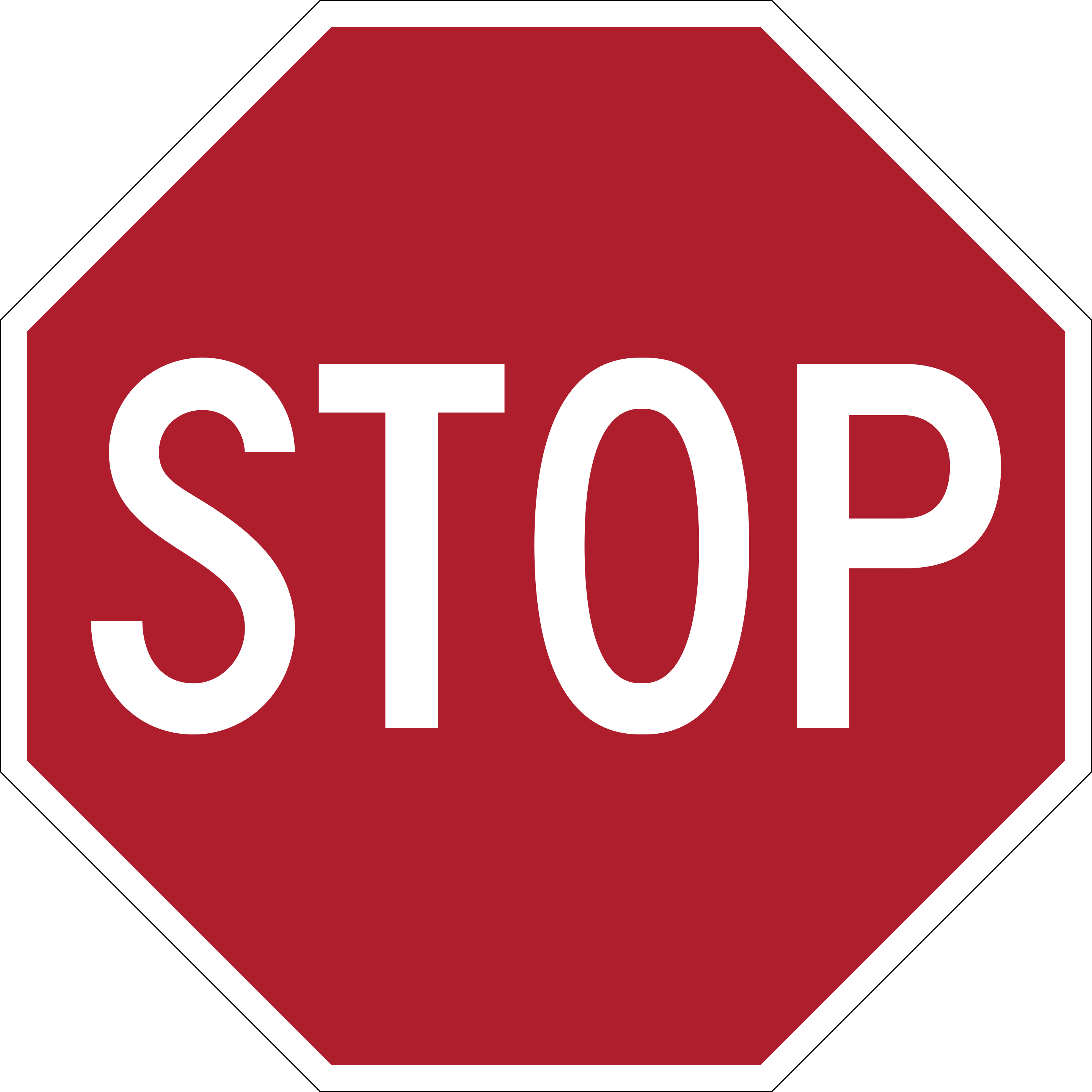
Question 5What does a sign with eight sides mean?
Show answer
A: Stop, scan, honor the right-of-way, then proceed. A stop sign has 8 sides; stop, scan the intersection, honor the right of way, then proceed. Vermont Driver's Manual (VN-007): Road Signs, page 33.
-
Question 6What happens to fines for speeding in a Vermont work zone?
Show answer
D: They are doubled. Fines are doubled for speeding in a work zone. Vermont Driver's Manual (VN-007): WORK ZONE SAFETY, page 36.
-
Question 7When do Vermont work zone rules apply?
Show answer
A: 24/7. Work zone rules apply 24/7, not just during daylight hours. Vermont Driver's Manual (VN-007): Tips for Safe Driving in Vermont Work Zones, page 36.
-
Question 8Who has the right-of-way when you approach an intersection with traffic already in it?
Show answer
A: Pedestrians, bicyclists and other traffic already in the intersection. A driver must yield to pedestrians, bicyclists and other traffic already in the intersection. Vermont Driver's Manual (VN-007): Right-of-way, page 29.
-
Question 9How far before turning or changing lanes must you signal in Vermont?
Show answer
C: Not less than 100 feet. The law states a driver must signal not less than 100 feet before turning or changing lanes; 3 to 5 seconds covers this. Vermont Driver's Manual (VN-007): Signals, page 27.
-
Question 10What following distance does the Vermont manual recommend?
Show answer
C: 4 seconds. Use the 4-second method; allow more than four seconds in poor conditions, poor visibility or at higher speeds. Vermont Driver's Manual (VN-007): Four Seconds - A Safe Following Distance, page 28.
-
Question 11On a Vermont interstate entrance, what should you do in the acceleration lane?
Show answer
D: Stay right, signal left, speed up, check your blind spot and change lanes when safe. From the acceleration lane: stay right, signal left, speed up, check the blind spot over your left shoulder and merge when safe; yield to interstate traffic. Vermont Driver's Manual (VN-007): Entrance Ramp, page 51.
-
Question 12On a two-lane road, how close to the curb or road edge must your right wheels be when parked?
Show answer
D: Within 12 inches. On a two-lane road, park with your right wheels no more than 12 inches from the curb or road edge. Vermont Driver's Manual (VN-007): Parking Your Vehicle, page 30.
-
Question 13When must you stop for a school bus in Vermont?
Show answer
D: When it has stopped with its red warning lights on, from any direction. It is against the law to pass a stopped school bus with red warning lights on, from any direction. Vermont Driver's Manual (VN-007): School Bus Stops, page 40.
-
Question 14Your vehicle starts to skid. What should you do with the brakes?
Show answer
A: Don't hit the brakes; it makes the skid worse. Don't hit the brakes; steer in the direction you want the vehicle to go, correcting left and right as needed. Vermont Driver's Manual (VN-007): How to Control a Vehicle in a Skid, page 49.
-
Question 15Where is the Vermont learner's permit knowledge test taken?
Show answer
D: Online through myDMV. The learner permit test is no longer taken in the office; it is an online test on mydmv.vermont.gov. Vermont Driver's Manual (VN-007): What are the Tests Like?, page 19.
-
Question 16What happens to a Vermont driver under 21 who drives with a BAC of .02 or more?
Show answer
D: A civil traffic violation, license suspension and an alcohol and driving education program. Under-21 drivers at .02 or more can receive a civil violation; the license is suspended and they must complete an alcohol education program at their own expense. Vermont Driver's Manual (VN-007): Alcohol and other drugs, page 53.
-
Question 17If traffic is backing up behind your slow vehicle in Vermont, what does the law require?
Show answer
A: Pull over when safe and let following vehicles go by. Vermont law requires a slow driver holding up a line of traffic to pull over when it is safe and let the vehicles behind pass. Vermont Driver's Manual (VN-007): Where Should I Start Driving?, page 26.
-
Question 18At a red light, where must you stop?
Show answer
A: Before the stop line or crosswalk, whichever comes first. At a red light, stop at the stop line; if there is none, stop before the crosswalk, whichever you reach first. Vermont Driver's Manual (VN-007): Traffic Lights, page 32.
-
Question 19At a stop sign, where must you stop?
Show answer
C: Before the stop line, crosswalk (marked or unmarked) or intersecting road, whichever comes first. You must stop before the stop line, crosswalk (marked or unmarked) or intersecting road, whichever comes first. Vermont Driver's Manual (VN-007): Road Signs, page 33.
-
Question 20What is the maximum speed on Vermont roads unless posted otherwise?
Show answer
C: 50 mph. The maximum speed for any vehicle on all Vermont roads is 50 mph or as posted. Vermont Driver's Manual (VN-007): Speed Limits and Safe Speeds, page 29.
-
Question 21How fast can a startled deer bound across a road?
Show answer
B: Up to 40 mph. A deer may bound at speeds up to 40 miles per hour toward its habitat. Vermont Driver's Manual (VN-007): Moose and Deer Safety, page 46.
-
Question 22At a four-way stop, two vehicles arrive at about the same time from different directions. Who yields?
Show answer
C: The driver on the left yields to the driver on the right. The driver on the left should yield to the driver on the right. Vermont Driver's Manual (VN-007): Right-of-way, page 29.
-
Question 23How many seconds of signaling before a turn meets Vermont's 100-foot rule?
Show answer
B: 3 to 5 seconds. Signaling three to five seconds before turning or changing lanes covers the 100-foot requirement. Vermont Driver's Manual (VN-007): Signals, page 27.
-
Question 24How do you use the 4-second method?
Show answer
A: Start counting when the rear of the vehicle ahead passes a checkpoint and stop when you reach it. Start counting as the rear of the vehicle ahead passes a checkpoint and stop when you reach it; fewer than four seconds is too close. Vermont Driver's Manual (VN-007): Follow These Steps for Four-Second Safety Spacing, page 29.
-
Question 25Who must yield when entering a Vermont interstate?
Show answer
B: The entering driver. The entering driver must yield to drivers already on the interstate. Vermont Driver's Manual (VN-007): Entrance Ramp, page 51.
Answer every question to see your score.
More Vermont practice tests
- Practice test 225 questions
- Practice test 325 questions
- Practice test 425 questions
- Practice test 525 questions
- Practice test 625 questions
- Practice test 725 questions
- Practice test 825 questions
- Practice test 925 questions
- Practice test 1025 questions
- Practice test 1125 questions
- Practice test 1223 questions
- Exam simulatorThe real format, 20 questions
How to use these tests
Read each explanation, even when you get the question right: it tells you the rule and the handbook section, so you can look it up. Your answers are saved in this browser only, so the weak spots mode can give you more questions on the topics you miss. When you're scoring well, take the exam simulator: it uses the same number of questions and passing score as the real test.
Our own questions, written from the Vermont Driver's Manual (VN-007) and checked against it. Not affiliated with the Vermont Department of Motor Vehicles (Agency of Transportation). Found a mistake? Tell us.