Washington DC DMV permit practice test 4
25 questions written from the DC DMV Automobile Driver Manual, covering hazards, weather and night driving, following and passing, signals and pavement markings, lanes, highways and freeways, turns and intersections and more. Pick an answer to see straight away whether you're right and why.
-
Question 1At night, how should you avoid glare from oncoming headlights?
Show answer
B: Glance back and forth between the side of the road and straight ahead. Avoid glare by glancing between the side of the road and straight ahead; don't stare at headlights. DC DMV Automobile Driver Manual: Special Driving Situations: Night Driving, page 27.
-
Question 2On a two-lane road, when may you pass on the right?
Show answer
D: Only when the vehicle being overtaken is making or about to make a left turn, staying on the pavement. On a two-lane highway you may pass on the right only when the vehicle ahead is making or about to make a left turn, without using the shoulder. DC DMV Automobile Driver Manual: Driving Rules: Overtaking and Passing on a Two Lane Highway, page 41.
-
Question 3What pavement marking warns you of a railroad crossing ahead?
Show answer
D: A white 'X' and the letters 'RR'. A white X and the letters RR on the road alert you that you are about to cross railroad tracks. DC DMV Automobile Driver Manual: Signals, Signs and Markings: Flashing Red Signal at Railroad Crossing, page 51.
-
Question 4You are entering an interstate from a left-side entrance. How should you check traffic?
Show answer
B: Compare what your mirrors show with what you see looking over your shoulder. On a left entrance, check your mirrors and also look over your shoulder, comparing the two views before you merge. DC DMV Automobile Driver Manual: Interstate and Other Limited Access Highways: Entering the Interstate/Highways, page 30.
-
Question 5Is a left turn on red legal in DC?
Show answer
C: No, it is illegal to make a left turn on red in DC. It is illegal to make a left turn on red in the District of Columbia. DC DMV Automobile Driver Manual: Driving Rules: Turns—Left Turn, page 42.
-
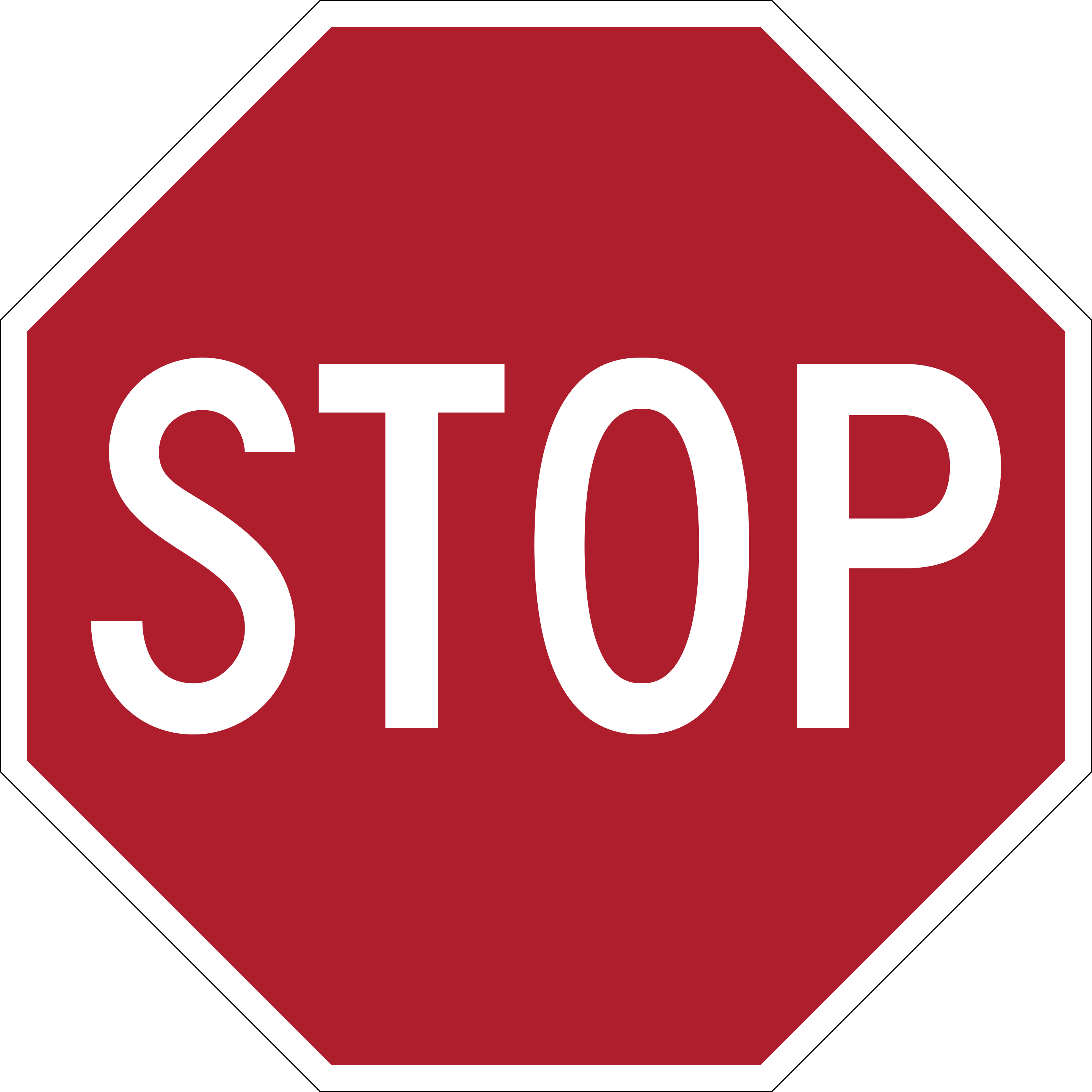
Question 6At a stop sign with no stop line and no crosswalk, where must you stop?
Show answer
C: Before the posted stop sign. Stop at the stop line; if none, before the crosswalk; if no crosswalk, before the stop sign. Then yield to pedestrians and bicyclists. DC DMV Automobile Driver Manual: Regulatory Signs: Stop, page 53.
-
Question 7You're stopped behind a truck on an upgrade. What should you do?
Show answer
B: Leave space in front in case it drifts back, and keep left in your lane so the driver sees you. Leave space in case the truck drifts back when starting, and keep to the left of your lane so the driver can see you. DC DMV Automobile Driver Manual: Sharing the Road With Large Trucks, page 37.
-
Question 8How close to the entrance of a fire station driveway may you park in DC?
Show answer
D: Not within 20 feet. Do not stand or park within 20 feet of the entrance to any fire station driveway. DC DMV Automobile Driver Manual: Parking Rules: Stopping, Standing, Parking – Prohibited, page 45.
-
Question 9For a first alcohol-related offense like DWI or DUI in DC, what is the minimum revocation period?
Show answer
B: 6 months. Minimum revocation is 6 months for a first offense, 1 year for a second and 2 years for a third or subsequent, plus mandatory IID Program enrollment. DC DMV Automobile Driver Manual: Important Things to Know, page 19.
-
Question 10How many hours of supervised driving must a DC GRAD driver certify for a provisional license?
Show answer
C: 40 hours. You must provide a signed certification of at least 40 hours of driving with a licensed driver 21 or older who holds a full license. DC DMV Automobile Driver Manual: Types of Driver Licenses & Permits: Provisional Driver License, page 14.
-
Question 11After driving through deep water, how should you dry your brakes?
Show answer
A: Drive slowly in low gear and apply the brakes lightly, testing every 200 feet. Test the brakes; to dry them, use low gear, drive slowly and brake lightly, testing every 200 feet until normal. DC DMV Automobile Driver Manual: Emergencies: Wet Brakes, page 32.
-
Question 12Should you ever back out of or into an intersection?
Show answer
C: Never; turn into a side street or drive around the block instead. Never back out or into an intersection; turn into a side street and turn around, or drive around the block. DC DMV Automobile Driver Manual: Safe Driving Practices: Backing, page 23.
-
Question 13When do pedestrians in a crosswalk NOT have the right-of-way in DC?
Show answer
A: When they enter the crosswalk on a red light or against a traffic officer's direction. Pedestrians in marked or unmarked crosswalks have the right-of-way except when they enter on a red light or against a traffic officer. DC DMV Automobile Driver Manual: Right-of-Way: Pedestrians Right-of-Way, page 35.
-
Question 14Two cars each going 50 mph collide head-on. What is the impact speed?
Show answer
C: 100 mph. The impact speed in a head-on collision is the sum of both speeds: 50 + 50 = 100 mph. DC DMV Automobile Driver Manual: Traffic Rules: Speed Restrictions, page 46.
-
Question 15At night, how fast should you drive?
Show answer
B: Slow enough to stop within the distance you can see ahead. Keep your speed low enough to stop within the distance you can see ahead. DC DMV Automobile Driver Manual: Special Driving Situations: Night Driving, page 27.
-
Question 16When passing on a two-lane highway, when should you return to the right lane?
Show answer
B: When you see both headlights of the passed vehicle in your rearview mirror. Return to the right lane when you can see both headlights of the passed vehicle in your rearview mirror. DC DMV Automobile Driver Manual: Driving Rules: Overtaking and Passing on a Two Lane Highway, page 41.
-
Question 17Over a reversible lane, what does a flashing yellow X mean in DC?
Show answer
C: You may use the lane for a left turn. A flashing yellow X means you may use the lane for a left turn, possibly shared with left-turners from the other direction. DC DMV Automobile Driver Manual: Signals, Signs and Markings: Lane Use Signals, page 51.
-
Question 18Where should you avoid cruising on the highway?
Show answer
D: In the blind spot of the vehicle ahead of you. Never cruise in the blind spot of the vehicle ahead of you. DC DMV Automobile Driver Manual: Interstate and Other Limited Access Highways: Lane Changing and Passing, page 31.
-
Question 19Before a legal right turn on red in DC, where must you stop?
Show answer
A: Before the crosswalk, with a complete stop. Make a complete stop before the crosswalk, then turn cautiously after yielding to pedestrians, bicyclists and traffic, unless a sign prohibits it. DC DMV Automobile Driver Manual: Driving Rules: Turns—Right Turn, page 42.
-
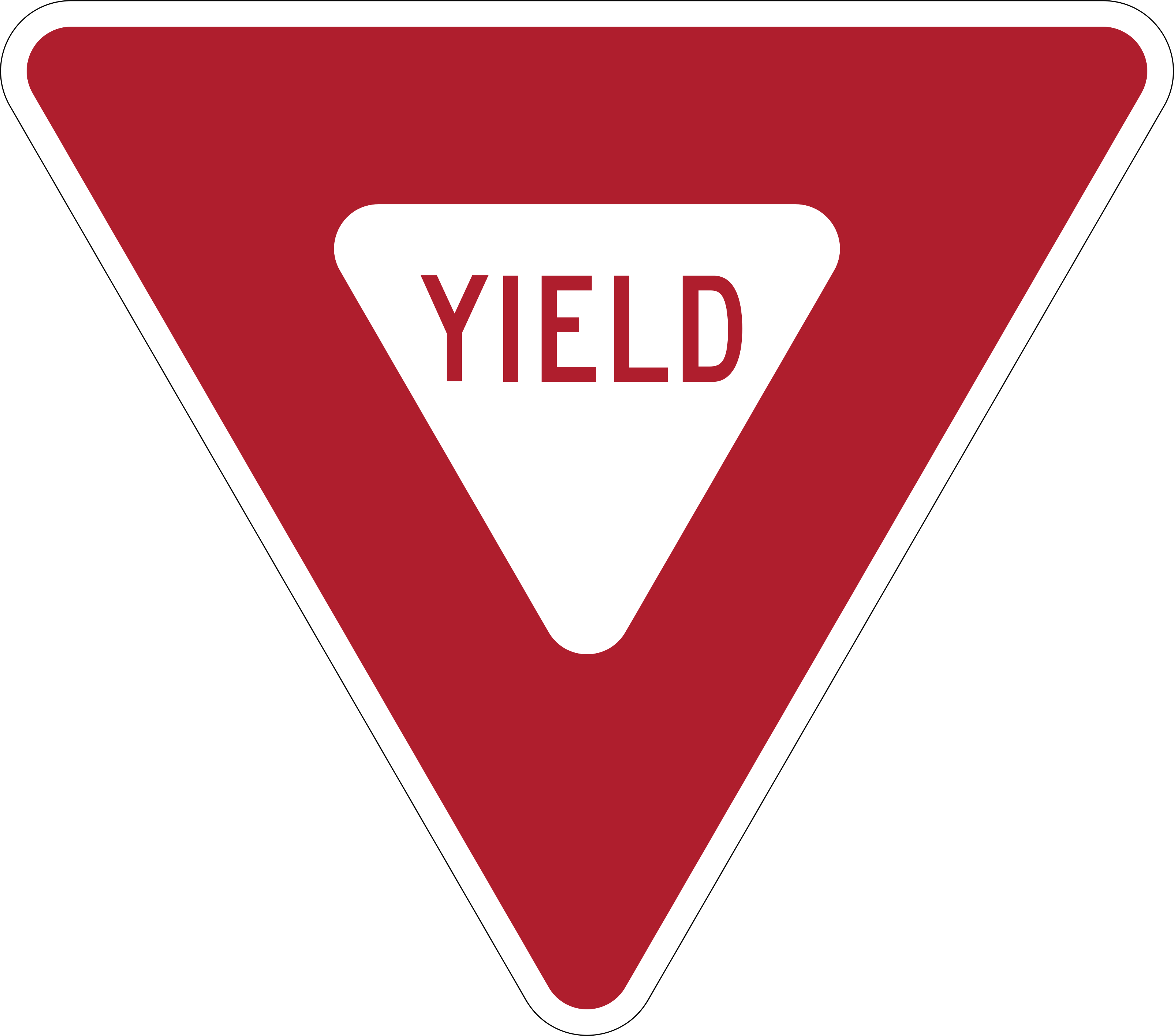
Question 20At a yield sign, how should you look before proceeding?
Show answer
B: Left, right, then left again. Slow down and look left, right, then left again, yielding to any pedestrian, bicyclist or vehicle. DC DMV Automobile Driver Manual: Regulatory Signs: Yield, page 53.
-
Question 21Should you ever cross behind a truck that is backing up?
Show answer
A: Never; truck drivers have no rearview mirror and may not see you. Never cross behind a backing truck; truck drivers have no rearview mirror and may not see you. DC DMV Automobile Driver Manual: Sharing the Road With Large Trucks: Backing up No-Zones, page 37.
-
Question 22You park downhill next to a curb in DC. Which way should your front wheels point?
Show answer
D: Toward the curb. Turn the wheels toward the curb when parking downhill and away from the curb when parking uphill. DC DMV Automobile Driver Manual: Parking Rules: Parking on a Hill, page 43.
-
Question 23For a second alcohol-related offense in DC, what is the minimum revocation period?
Show answer
B: 1 year. The minimum revocation period is 1 year for a second offense. DC DMV Automobile Driver Manual: Important Things to Know, page 19.
-
Question 24How many hours of night driving are required before a DC GRAD driver gets a full license?
Show answer
B: 10 hours. Before a full license, you must practice at least 10 hours of night driving with a licensed driver 21+ and certify it. DC DMV Automobile Driver Manual: Types of Driver Licenses & Permits: Full Driver License, page 14.
-
Question 25Your windshield wipers fail in bad weather. What should you do?
Show answer
B: Open the window, look out, drive off the roadway and stop. Open the window, put your head out, drive the vehicle off the roadway and stop. DC DMV Automobile Driver Manual: Emergencies: Windshield Wipers Fail, page 32.
Answer every question to see your score.
More Washington DC practice tests
How to use these tests
Read each explanation, even when you get the question right: it tells you the rule and the handbook section, so you can look it up. Your answers are saved in this browser only, so the weak spots mode can give you more questions on the topics you miss. When you're scoring well, take the exam simulator: it uses 25 questions at the DMV's pass mark, since it doesn't publish the number of questions.
Our own questions, written from the DC DMV Automobile Driver Manual and checked against it. Not affiliated with the District of Columbia Department of Motor Vehicles. Found a mistake? Tell us.