Louisiana road signs practice test
Road signs are part of the Louisiana OMV knowledge test. Practise the 28 sign questions we wrote from the Louisiana handbook, then drill every common sign.
Louisiana handbook sign questions
-
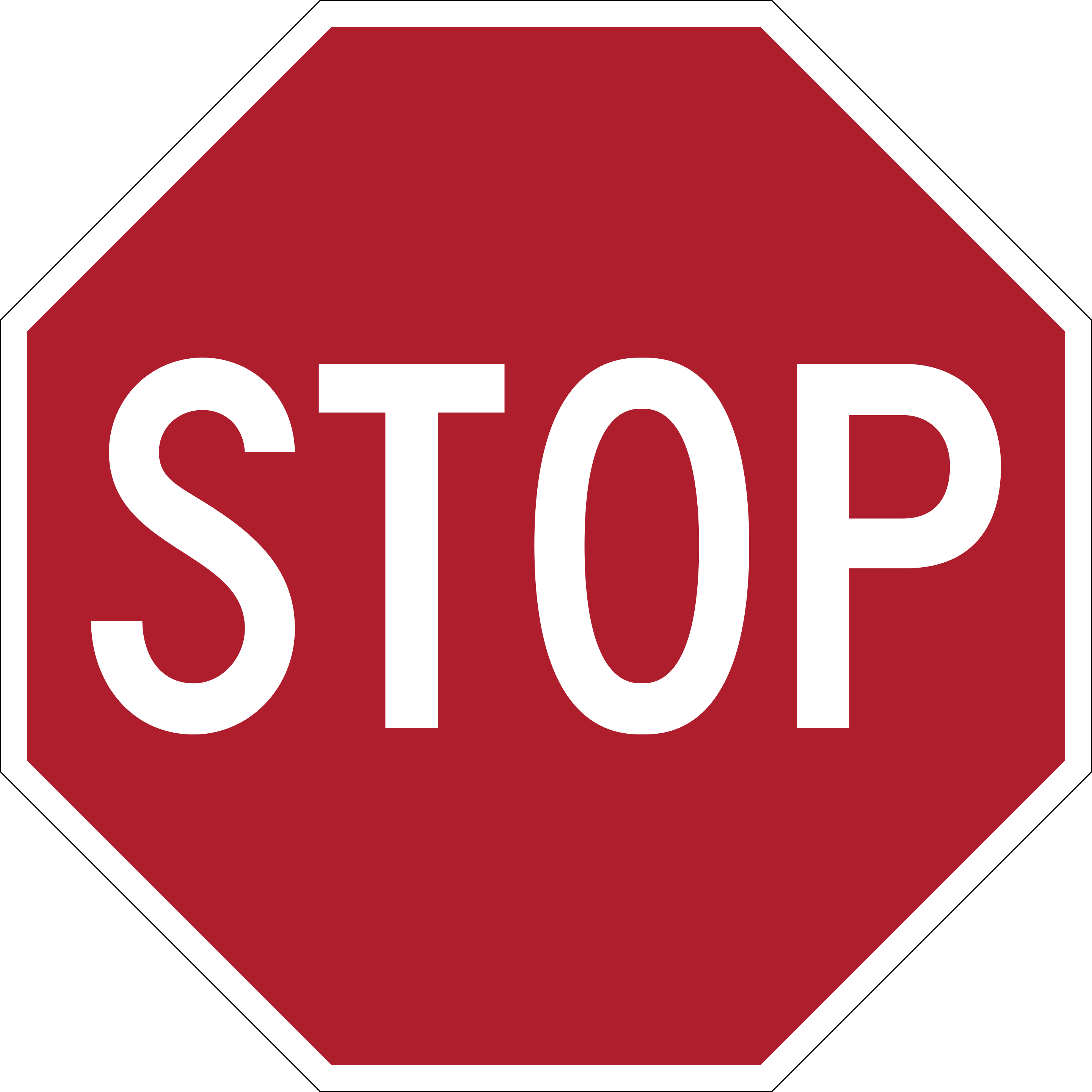
Question 1The octagon shape is used for which sign?
Show answer
B: Stop. The octagon shape is used exclusively for stop signs. Class D & E Driver's Guide: Traffic Signs, page 28.
-
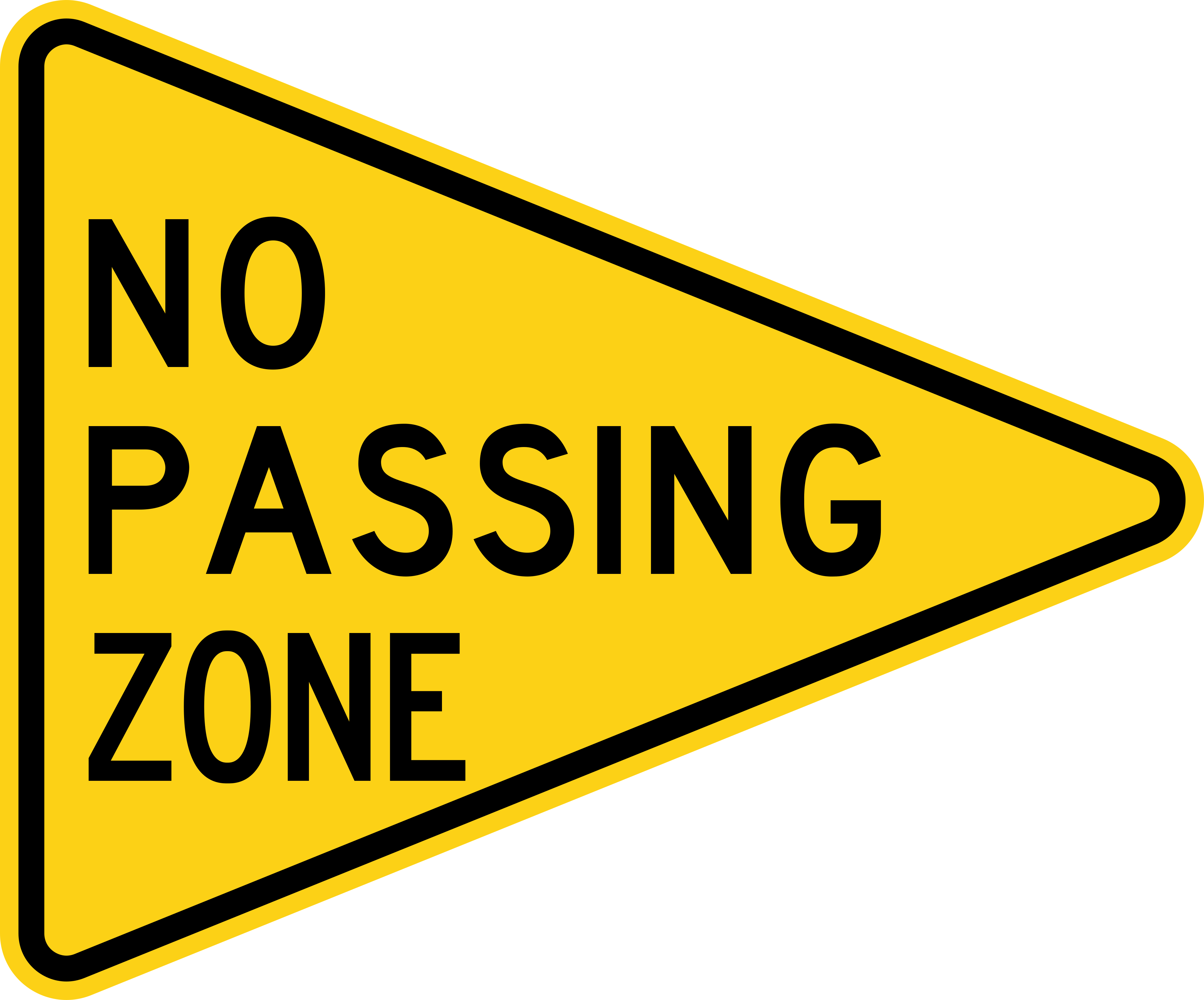
Question 2In Louisiana's guide, what does a triangle-shaped sign with the point sideways indicate?
Show answer
D: No passing zone. The triangle with the point sideways (pennant) indicates a no passing zone. Class D & E Driver's Guide: Traffic Signs, page 28.
-
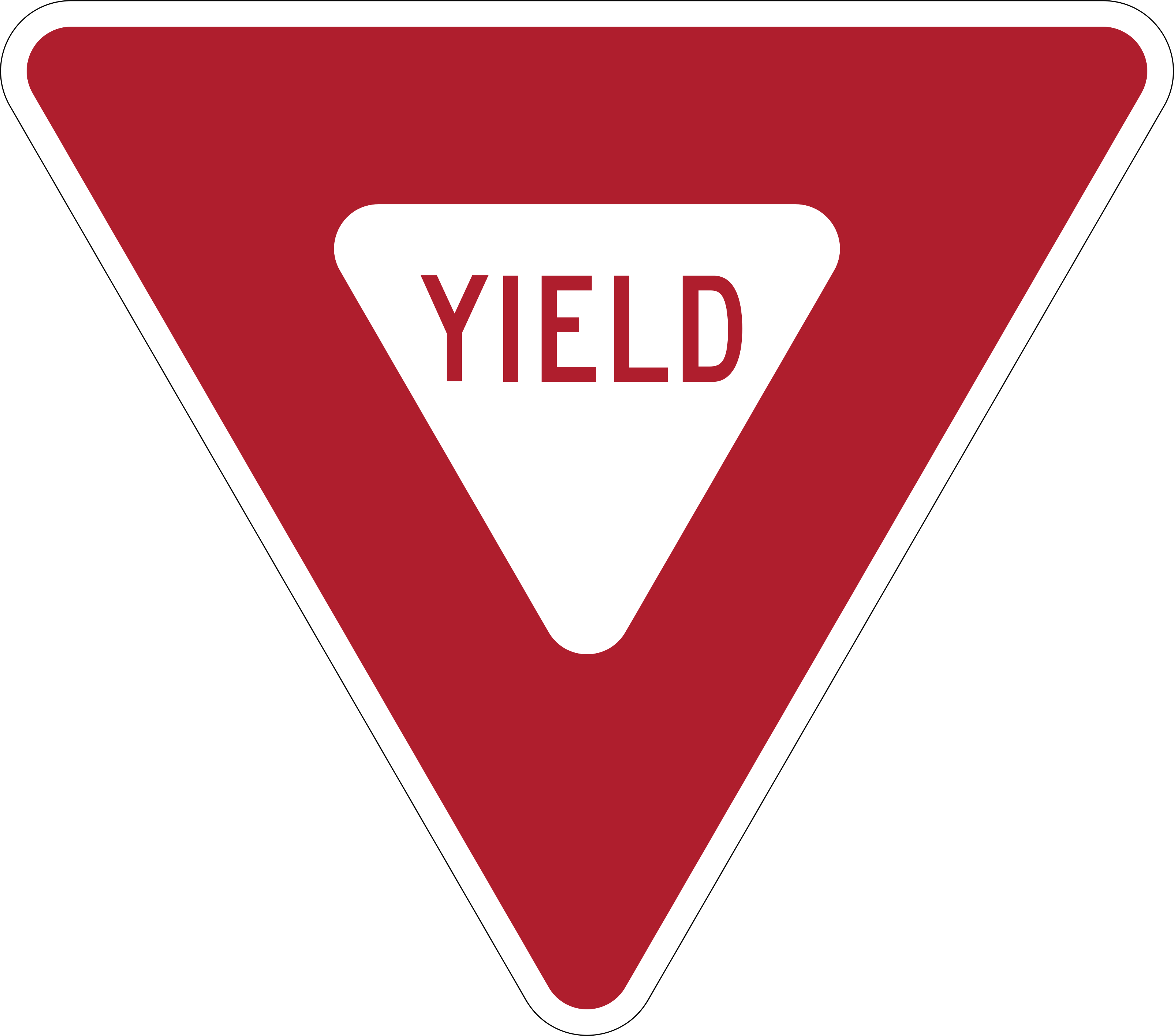
Question 3A triangle sign with the point down means:
Show answer
A: Yield. The downward-pointing triangle is used exclusively for yield signs. Class D & E Driver's Guide: Traffic Signs, page 28.
-
Question 4What does a diamond-shaped orange sign indicate?
Show answer
C: A construction zone. Diamond signs are warning signs; orange diamonds are used in construction zones. Class D & E Driver's Guide: Traffic Signs, page 28.
-
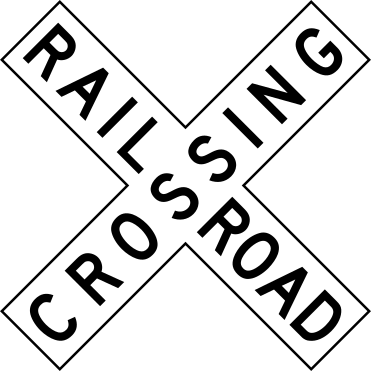
Question 5The white crossbuck railroad sign has the same meaning as:
Show answer
B: A yield sign. The white crossbuck is a regulatory sign with the same meaning as a yield sign; you must yield to trains. Class D & E Driver's Guide: Traffic Signs, page 28.
-
Question 6What does a fluorescent pink sign indicate?
Show answer
A: Incident management, such as a hurricane or a road closure due to a crash. Fluorescent pink is used for incident management signs, such as hurricanes or road closures due to crashes. Class D & E Driver's Guide: Traffic Signs, page 29.
-
Question 7Which sign color is used for pedestrian, bicycle and school warning signs?
Show answer
A: Fluorescent yellow-green. Fluorescent yellow-green is the background for pedestrian, bicycle and school warning signs. Class D & E Driver's Guide: Traffic Signs, page 29.
-
Question 8What does red mean on a sign?
Show answer
C: Stop or Do Not. Red is used for Stop, Yield, Do Not Enter and Wrong Way signs and means stop or do not. Class D & E Driver's Guide: Traffic Signs, page 29.
-
Question 9Blue signs are used for:
Show answer
C: Traveler services, information and emergency evacuation routes. Blue is used for traveler services, information, emergency evacuation route signs and some route markers; light blue for disability parking. Class D & E Driver's Guide: Traffic Signs, page 29.
-
Question 10Brown sign backgrounds indicate:
Show answer
D: Points of recreational or cultural interest. Brown is used for guide signs related to recreational or cultural interest. Class D & E Driver's Guide: Traffic Signs, page 29.
-
Question 11What is the shape of most regulatory signs, such as speed limits and parking signs?
Show answer
C: Rectangle. The rectangle shape is used for regulatory signs such as speed limits, school zones, parking and loading zones. Class D & E Driver's Guide: Traffic Signs, page 28.
-
Question 12Warning signs are usually:
Show answer
B: Yellow with black lettering and diamond shaped. Most warning signs are diamonds with a yellow background and black words or symbols. Class D & E Driver's Guide: Traffic Signs, page 30.
-
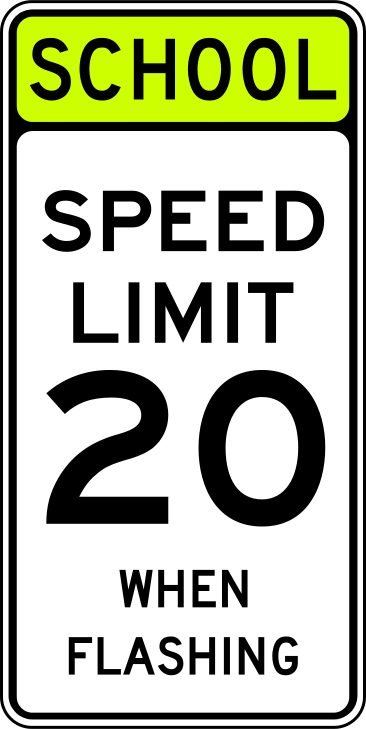
Question 13What does a 'School Speed Limit When Flashing' sign mean?
Show answer
A: The reduced school limit applies only when the lights are flashing. The reduced school-zone limit is required only when flashing; otherwise obey the roadway's speed limit. Class D & E Driver's Guide: Traffic Signs, page 32.
-
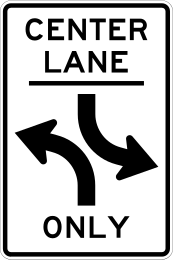
Question 14How far may you drive in a shared center left-turn lane in Louisiana?
Show answer
B: No more than 200 feet. You must not drive more than 200 feet in a shared center left-turn-only lane. Class D & E Driver's Guide: Traffic Signs, page 32.
-
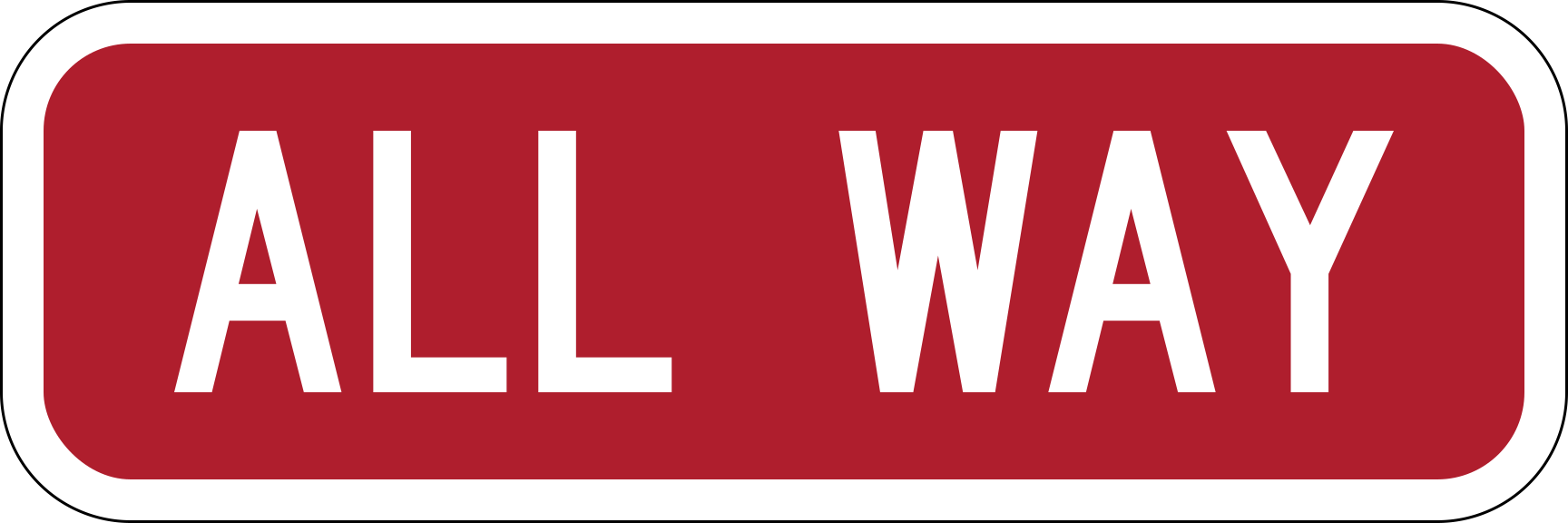
Question 15What does an 'ALL-WAY' (or '4-WAY') plaque under a stop sign mean?
Show answer
A: All approaching traffic at the intersection has a stop sign. The plaque tells you that every approach to the intersection has a stop sign; 3-WAY, 4-WAY and 5-WAY versions are also used. Class D & E Driver's Guide: Traffic Signs, page 32.
-
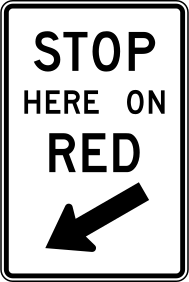
Question 16A 'Stop Here on Red' sign tells you:
Show answer
B: Where to stop when the light is red. It shows where you must stop when the light is red; without a NO TURN ON RED sign, you may then turn right after stopping and checking. Class D & E Driver's Guide: Traffic Signs, page 33.
-
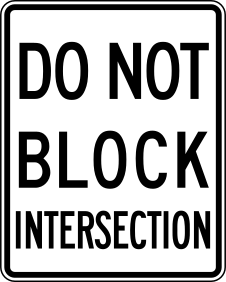
Question 17What does a 'Do Not Block Intersection' sign require?
Show answer
D: Don't stop, stand or park in the intersection and don't enter if you can't clear it. You must not enter an intersection if traffic conditions don't permit you to clear it completely. Class D & E Driver's Guide: Traffic Signs, page 33.
-
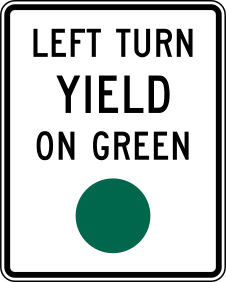
Question 18A 'Left Turn Yield on Green' sign means:
Show answer
B: Left turns are permitted on a green ball, but you must yield to oncoming traffic. The sign allows a left turn on a circular green, but oncoming traffic goes first; turn only when there is a safe gap. Class D & E Driver's Guide: Traffic Signs, page 33.
-
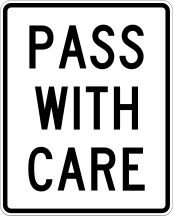
Question 19What does a 'Pass With Care' sign mean?
Show answer
B: You are at the end of a no passing zone and may pass when safe. Pass With Care marks the end of a no passing zone; pass only when it's safe. Class D & E Driver's Guide: Traffic Signs, page 33.
-
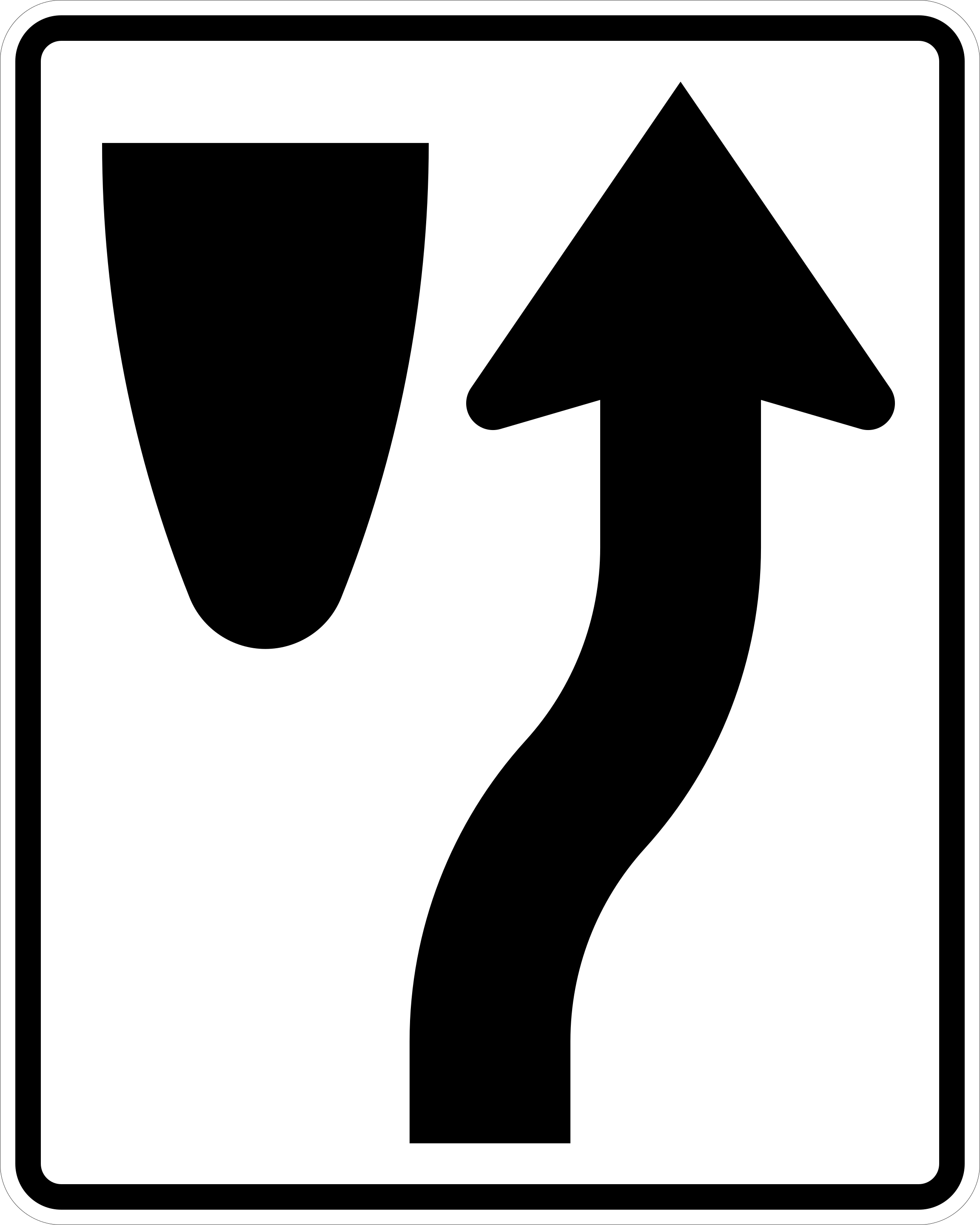
Question 20A 'Keep Right' sign indicates:
Show answer
B: Traffic must stay to the right of a roadway feature or obstruction ahead, like a median or island. Keep Right signs show that traffic must stay to the right of an upcoming median, island or lane divider. Class D & E Driver's Guide: Traffic Signs, page 33.
-
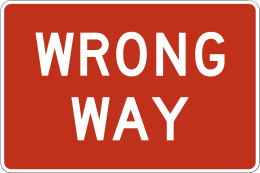
Question 21Where are you likely to see a 'Wrong Way' sign?
Show answer
C: On expressway ramps a short distance past the DO NOT ENTER sign. Wrong Way signs stand on expressway ramps just beyond the Do Not Enter sign; you will also see one if you turn the wrong way into a one-way street. Class D & E Driver's Guide: Traffic Signs, page 34.
-
Question 22If the word 'Exit' appears on the left side of an exit sign, it means:
Show answer
D: The exit lane or ramp is to the left. 'Exit' printed on the left of the sign means the exit lane or ramp leaves from the left; left-exit signs are sometimes yellow for emphasis. Class D & E Driver's Guide: Traffic Signs, page 34.
-
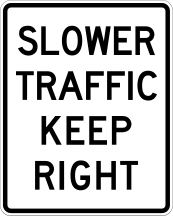
Question 23What does a 'Slower Traffic Keep Right' sign tell you?
Show answer
C: Drivers slower than normal traffic must stay in the right lane. Posted on multilane highways, it tells drivers going slower than normal traffic to stay in the right lane. Class D & E Driver's Guide: Traffic Signs, page 34.
-
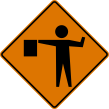
Question 24What does a 'Flagger Ahead' sign warn of?
Show answer
D: A flag person ahead controlling traffic; slow down and be prepared to stop. It indicates a flagger is ahead to control traffic; slow down and be prepared to stop. Class D & E Driver's Guide: Construction and Maintenance Signs, page 36.
-
Question 25A 'Low Shoulder' sign warns that:

Show answer
D: There is a sharp drop from the pavement edge to the shoulder. LOW SHOULDER warns that the shoulder sits well below the pavement edge; if you have to drive off the pavement, slow down and hold the wheel firmly. Class D & E Driver's Guide: Construction and Maintenance Signs, page 36.
-
Question 26What happens to traffic fines in Louisiana construction zones?
Show answer
D: They double. In Louisiana, traffic fines are double for construction zones. Class D & E Driver's Guide: Highway Work Zones, page 36.
-
Question 27On a work-zone barricade, the diagonal stripes slope downward to the left. Which way should you go?
Show answer
A: Bear to the left. Stripes sloping downward to the left mean bear to the left; downward to the right means bear to the right. Class D & E Driver's Guide: Channelizing Devices, page 37.
-
Question 28What do flag persons in work zones wear and use?
Show answer
A: Orange vests, shirts or jackets and red flags or STOP/SLOW paddles. Flaggers wear orange vests, shirts or jackets and direct traffic with red flags or STOP/SLOW paddles. Class D & E Driver's Guide: Flag Persons, page 38.
Answer every question to see your score.
Road signs drill
20 random signs from our library of US road signs. Signs are the same in every state under the federal sign manual.
Name the sign
Every road sign explained: shape, color, meaning and what to do.