Indiana BMV permit practice test 2
25 questions written from the Indiana Driver's Manual, covering emergencies, safe and defensive driving, parking, licensing laws and penalties, alcohol and drugs and more. Pick an answer to see straight away whether you're right and why.
-
Question 1No train is coming but your car is disabled on a railroad crossing. Whom should you call first?
Show answer
A: The Emergency Notification System number on the blue sign at the crossing. Immediately call the ENS number on the blue sign, then call 911. Indiana Driver's Manual: Chapter 7: Safety at Railroad Crossings, page 54.
-
Question 2How much more fuel do cars use at 75 mph compared with 55 mph?
Show answer
C: About 50 percent more. Cars and light trucks use about 50 percent more fuel at 75 mph than at 55 mph. Indiana Driver's Manual: Chapter 7: Fuel Economy, page 47.
-
Question 3While parallel parking, you back up and turn the wheel sharply right. At about what angle should your vehicle be?
Show answer
B: About 45 degrees. Reverse slowly with the wheel sharply right until the vehicle is at about a 45-degree angle. Indiana Driver's Manual: Chapter 7: Parking and Reversing — Parallel Parking, page 59.
-
Question 4Without enrolling in driver education, at what age can you get an Indiana learner's permit?
Show answer
C: 16. Applicants 16 or older may get a learner's permit by meeting document, vision and knowledge exam requirements. Indiana Driver's Manual: Chapter 1: Learner's Permits, page 8.
-
Question 5In Indiana, how long is your license suspended if you fail a chemical test for alcohol?
Show answer
B: 180 days. A motorist who fails a chemical test faces a 180-day suspension. Indiana Driver's Manual: Chapter 5: Suspensions — Operating a Vehicle While Intoxicated, page 29.
-
Question 6What does a green traffic sign indicate?
Show answer
A: Permitted movements, directions or guidance such as exits and distances. Green signs show permitted movements and guidance, like highway exits and distances to destinations. Indiana Driver's Manual: Chapter 6: Traffic Sign Colors, page 32.
-
Question 7What does a steady red light mean?
Show answer
A: Stop; do not enter until the light turns green and the intersection is clear. A red light means stop; you may not enter until the light turns green and the intersection is clear. Indiana Driver's Manual: Chapter 6: Traffic Signals — Driving through an Intersection, page 38.
-
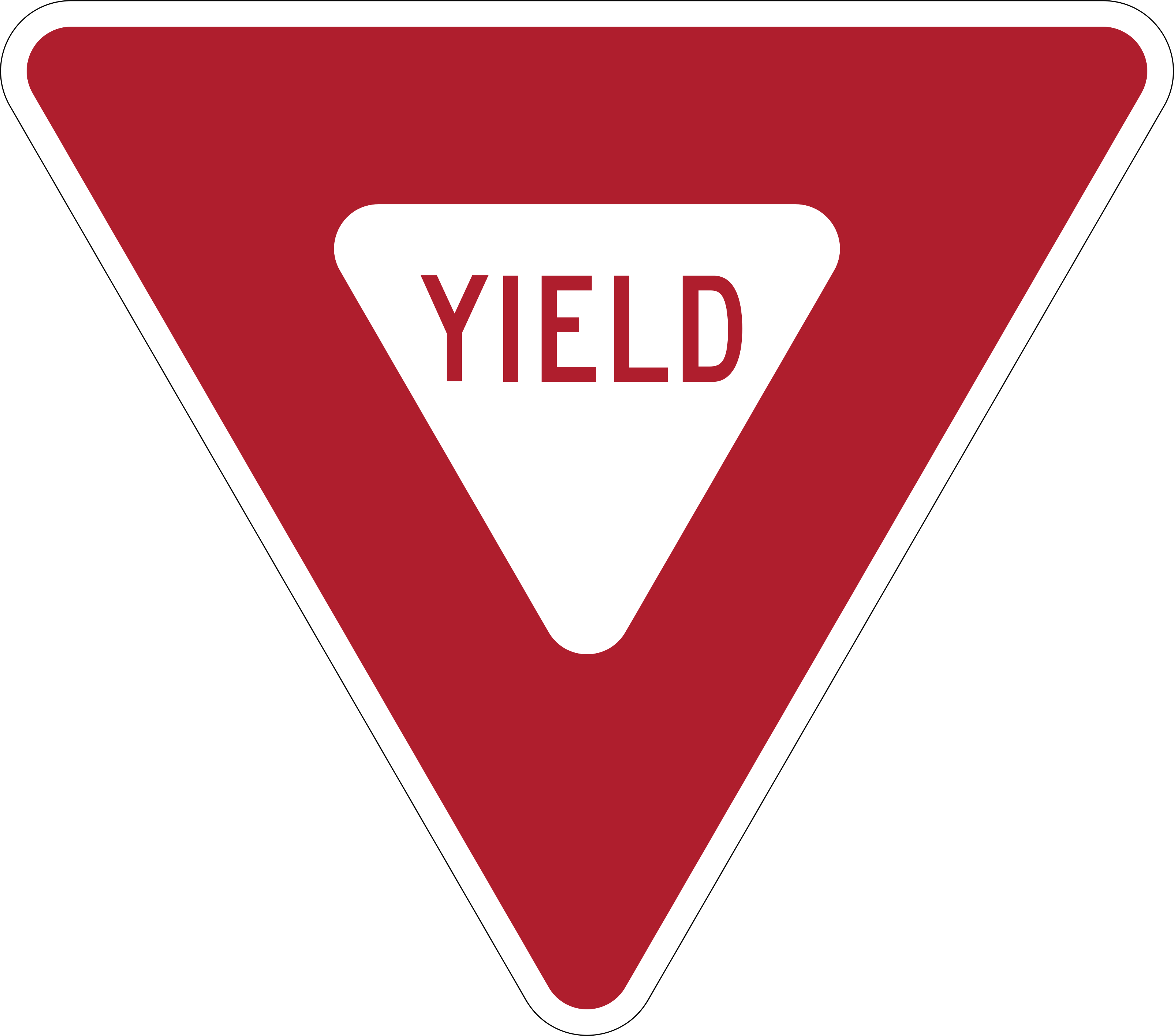
Question 8What does a yield sign require you to do?
Show answer
A: Slow down and be prepared to stop for vehicles or pedestrians with the right of way. A yield sign means slow down and be prepared to stop for vehicles or pedestrians with the right of way. Indiana Driver's Manual: Chapter 6: Traffic Signals — Approaching a Yield Sign, page 40.
-
Question 9May you use hand signals on the Indiana driving skills exam?
Show answer
A: No. Hand signals may be used if your lighted signals malfunction, but not on a driving skills exam. Indiana Driver's Manual: Chapter 7: Rules for Safe and Legal Turning — Signaling Intention to Turn, page 44.
-
Question 10When passing, how do you know you can return to your lane?
Show answer
A: When you can see the vehicle you passed in your rearview mirror. Stay in the passing lane until the car you passed shows up in your rearview mirror, then signal and move back. Indiana Driver's Manual: Chapter 7: Changing Lanes and Passing Other Vehicles — Passing Other Vehicles, page 43.
-
Question 11What should you never use a center left-turn lane for?
Show answer
A: Passing other vehicles. Never use a center left-turn lane for passing other vehicles. Indiana Driver's Manual: Chapter 7: Turning Left from Specially-Designated Center Lanes, page 44.
-
Question 12A flagger holds a fluorescent orange/red flag horizontally into your lane. What must you do?
Show answer
A: Stop. You must stop when a flagger extends the flag horizontally into traffic; proceed only when directed. Indiana Driver's Manual: Chapter 7: Work Zones — Flagger Signals, page 52.
-
Question 13Unless posted otherwise, what is the speed limit on a rural Indiana state divided highway?
Show answer
B: 60 mph. Unless signs say otherwise, the limit on a rural state divided highway is 60 mph. Indiana Driver's Manual: Chapter 7: Speed Limits — Rural Interstate Highway Speed Limits, page 45.
-
Question 14You feel vibration and hear a mechanical noise in the brake pedal during hard braking with ABS. What does that mean?
Show answer
A: The ABS is working. Noise, vibration or increased pedal resistance indicates the ABS is working. Indiana Driver's Manual: Chapter 7: Braking and Following Distances — Skidding, page 47.
-
Question 15At night on a divided highway, where should a warning device for your disabled car be placed?
Show answer
A: 100 feet behind and 100 feet in front, in the center of your lane. Place a lighted fuse, red lantern or reflector 100 feet behind and 100 feet in front in your lane, plus one about 10 feet away on the traffic side. Indiana Driver's Manual: Chapter 7: Truck Equipment Requirements — Warning Devices for Stopped Vehicles, page 62.
-
Question 16How much air pressure can tires lose each month?
Show answer
A: Up to 1 psi. Tires can lose up to 1 psi every month, so check them monthly or before a long trip. Indiana Driver's Manual: Chapter 7: Tire Pressure and Tread Depth, page 48.
-
Question 17When you park facing downhill, which way should you turn your wheels?
Show answer
A: Toward the curb. Facing downhill, turn your wheels toward the curb. Indiana Driver's Manual: Chapter 7: Parking and Reversing — Parallel Parking, page 59.
-
Question 18How early can a Certificate of Driver Education Enrollment be dated before the class starts?
Show answer
A: No earlier than three weeks before the class. The certificate must be dated no earlier than three weeks before the start of the class. Indiana Driver's Manual: Chapter 1: Learner's Permits, page 8.
-
Question 19In Indiana, how long is your license suspended if you refuse a chemical test (with no prior OWI conviction)?
Show answer
B: One year. Refusing a chemical test results in a one-year suspension. Indiana Driver's Manual: Chapter 5: Suspensions — Operating a Vehicle While Intoxicated, page 29.
-
Question 20What do orange traffic signs warn of?
Show answer
A: Temporary traffic conditions such as construction and maintenance. Orange signs warn drivers of temporary conditions, often due to construction or maintenance. Indiana Driver's Manual: Chapter 6: Traffic Sign Colors, page 32.
-
Question 21What does a flashing yellow arrow for a turn mean?
Show answer
A: Turn only after yielding to pedestrians and oncoming traffic. A yellow flashing arrow means you may turn only after yielding to pedestrians and oncoming traffic. Indiana Driver's Manual: Chapter 6: Traffic Signals — Yellow Flashing Arrows for Turning Movements, page 39.
-
Question 22After you pass a yield sign and enter, what should a vehicle with the right of way NOT have to do?
Show answer
A: Brake to avoid hitting you. Yielding means traffic with the right of way never has to brake because you pulled in. Indiana Driver's Manual: Chapter 6: Traffic Signals — Approaching a Yield Sign, page 40.
-
Question 23Where should you never make a U-turn?
Show answer
A: On an interstate highway. Never make a U-turn on an interstate, on a curve, or approaching the crest of a hill. Indiana Driver's Manual: Chapter 7: U-Turns, page 44.
-
Question 24Within how many feet of an intersection, railroad crossing, bridge, viaduct or tunnel is passing prohibited in Indiana?
Show answer
B: 100 feet. It is illegal to pass within 100 feet of an intersection, railroad crossing, bridge, viaduct or tunnel. Indiana Driver's Manual: Chapter 7: Changing Lanes and Passing Other Vehicles — Prohibited Passing, page 43.
-
Question 25When entering an interstate, who has the right of way?
Show answer
A: Vehicles already on the interstate. Traffic already on the interstate has the right of way; merging drivers must yield to it. Indiana Driver's Manual: Chapter 7: Driving on Interstate Highways, page 51.
Answer every question to see your score.
More Indiana practice tests
- Practice test 125 questions
- Practice test 325 questions
- Practice test 425 questions
- Practice test 525 questions
- Practice test 625 questions
- Practice test 725 questions
- Practice test 825 questions
- Practice test 925 questions
- Practice test 1025 questions
- Practice test 1125 questions
- Practice test 1225 questions
- Exam simulatorThe real format
How to use these tests
Read each explanation, even when you get the question right: it tells you the rule and the handbook section, so you can look it up. Your answers are saved in this browser only, so the weak spots mode can give you more questions on the topics you miss. When you're scoring well, take the exam simulator: it uses 25 questions at the BMV's pass mark, since it doesn't publish the number of questions.
Our own questions, written from the Indiana Driver's Manual and checked against it. Not affiliated with the Indiana Bureau of Motor Vehicles. Found a mistake? Tell us.