Indiana BMV permit practice test 3
25 questions written from the Indiana Driver's Manual, covering sharing the road, speed limits, hazards, weather and night driving, emergencies, safe and defensive driving and more. Pick an answer to see straight away whether you're right and why.
-
Question 1What is the maximum width of a vehicle that may operate in Indiana without a special permit?
Show answer
B: 8 feet 6 inches. The maximum width without a special permit is eight feet six inches. Indiana Driver's Manual: Chapter 7: Sharing the Road with Tractor-Trailers, page 54.
-
Question 2What is the maximum speed on an urban Indiana interstate unless posted otherwise?
Show answer
B: 55 mph. On an urban interstate, vehicles may not exceed 55 mph or the posted limit. Indiana Driver's Manual: Chapter 7: Speed Limits — Urban Speed Limits, page 46.
-
Question 3About what share of passenger vehicle deaths come from rollover crashes, according to the manual?
Show answer
B: Nearly one-third. The manual says rollovers cause nearly a third of passenger-vehicle deaths. Indiana Driver's Manual: Chapter 7: Braking and Following Distances — Rollover, page 47.
-
Question 4Your disabled car is stopped within 500 feet of a curve or hilltop. How far away must a warning device be displayed?
Show answer
C: At least 500 feet. If stopped within 500 feet of a curve, hilltop or other obstruction, display a warning device at least 500 feet from your car. Indiana Driver's Manual: Chapter 7: Truck Equipment Requirements — Warning Devices for Stopped Vehicles, page 62.
-
Question 5Where should you find the correct tire pressure for your vehicle?
Show answer
A: On the sticker inside the driver's door jamb or in the owner's manual. Compare with the psi on the driver's door sticker or owner's manual, not the tire sidewall. Indiana Driver's Manual: Chapter 7: Tire Pressure and Tread Depth, page 48.
-
Question 6When you park facing uphill next to a curb, which way should you turn your wheels?
Show answer
A: Away from the curb. Facing uphill, turn your wheels away from the curb. Indiana Driver's Manual: Chapter 7: Parking and Reversing — Parallel Parking, page 59.
-
Question 7An Indiana learner's permit applicant under 18 must provide an emergency contact of what minimum age?
Show answer
B: 18. Applicants under 18 must provide an emergency contact who is at least 18. Indiana Driver's Manual: Chapter 1: Learner's Permits, page 8.
-
Question 8A driver with a previous OWI conviction refuses a chemical test in Indiana. How long is the suspension?
Show answer
C: Two years. With a previous OWI conviction, refusing a chemical test brings a two-year suspension. Indiana Driver's Manual: Chapter 5: Suspensions — Operating a Vehicle While Intoxicated, page 29.
-
Question 9What kind of information do white traffic signs display?
Show answer
A: Traffic regulations such as speed limits. White signs display regulations drivers must obey, such as speed limits and No Turn on Red. Indiana Driver's Manual: Chapter 6: Traffic Sign Colors, page 32.
-
Question 10In Indiana, when may you turn left at a red light?
Show answer
A: When turning from a one-way street onto a one-way street, after a full stop. A left turn on red is allowed only from a one-way street onto a one-way street, after a full stop and check. Indiana Driver's Manual: Chapter 6: Traffic Signals — Turning through a Solid Red Light, page 39.
-
Question 11You approach an intersection where the traffic signal is not operating. What should you do?
Show answer
A: Stop before entering, then yield before proceeding with caution. At a non-operating signal, stop before entering the intersection and yield before proceeding with caution. Indiana Driver's Manual: Chapter 6: Traffic Signals — Approaching an Intersection with Non-Operating Signal, page 40.
-
Question 12What is a median U-turn or J-turn intersection?
Show answer
A: An intersection where left turns are made by going through and making a U-turn at a median opening. At median U-turn (J-turn) intersections, left turns are prohibited at the intersection and made by U-turning at an upcoming median opening. Indiana Driver's Manual: Chapter 7: U-Turns, page 44.
-
Question 13Where is passing prohibited?
Show answer
A: When approaching the crest of a hill. Passing is prohibited on or approaching curves and the crest of a hill or grade. Indiana Driver's Manual: Chapter 7: Changing Lanes and Passing Other Vehicles — Prohibited Passing, page 43.
-
Question 14Who may make a U-turn by crossing the median of an Indiana interstate?
Show answer
A: Only emergency or highway maintenance vehicles. It is illegal for any vehicle other than an emergency or highway maintenance vehicle to U-turn across an interstate median. Indiana Driver's Manual: Chapter 7: Driving on Interstate Highways, page 51.
-
Question 15About how far does an average passenger car at 55 mph need to stop?
Show answer
B: About 130 to 140 feet. An average car at 55 mph can stop in about 130 to 140 feet, about half a football field. Indiana Driver's Manual: Chapter 7: Sharing the Road with Tractor-Trailers — Braking, page 55.
-
Question 16Unless posted otherwise, what is the speed limit in most Indiana urban residential areas?
Show answer
C: 30 mph. In most urban residential areas, vehicles may not exceed 30 mph or the posted limit. Indiana Driver's Manual: Chapter 7: Speed Limits — Urban Speed Limits, page 46.
-
Question 17Where may moisture freeze first in winter?
Show answer
A: Ramps, bridges and overpasses. Moisture on ramps, bridges and overpasses may freeze before other sections of the road. Indiana Driver's Manual: Chapter 7: Driving in Uncertain Weather Conditions — Winter Driving, page 48.
-
Question 18According to the manual, what is the most common factor in Indiana collisions?
Show answer
A: Failure to yield the right of way. Not yielding the right of way is the leading factor in Indiana crashes. Indiana Driver's Manual: Chapter 8: Accidents and Emergency Situations, page 63.
-
Question 19When should you check tire pressure?
Show answer
A: When tires are cold, before driving or three hours after. Check tires cold: before driving or at least three hours after driving. Indiana Driver's Manual: Chapter 7: Tire Pressure and Tread Depth, page 48.
-
Question 20You park on a hill with no curb. Which way should you turn your wheels?
Show answer
A: Away from the street. If there is no curb, turn your wheels away from the street. Indiana Driver's Manual: Chapter 7: Parking and Reversing — Parallel Parking, page 59.
-
Question 21A 15-year-old Indiana permit holder in driver education wants to practice with a relative. How old must the licensed relative be?
Show answer
C: 25 or older. The licensed relative (by blood, marriage or legal status) must be 25 or older and sit in the front passenger seat. Indiana Driver's Manual: Chapter 1: Practice Driving with Your Learner's Permit, page 9.
-
Question 22What does an ignition interlock device do?
Show answer
A: Tests the driver's blood alcohol level before the car can start. An ignition interlock mechanically tests the driver's BAC before the car can be started. Indiana Driver's Manual: Chapter 5: Suspensions — Operating a Vehicle While Intoxicated, page 29.
-
Question 23What do fluorescent yellow-green signs warn of?
Show answer
A: Nearby schools, pedestrians, bicycles, playgrounds and school bus routes. Fluorescent yellow-green signs warn of nearby schools, pedestrians, bicycles, playgrounds and bus routes. Indiana Driver's Manual: Chapter 6: Traffic Sign Colors, page 32.
-
Question 24Before turning right on a red light in Indiana, what must you do?
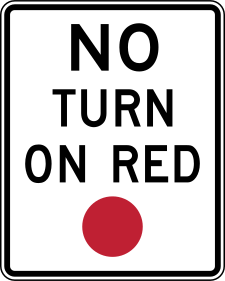
Show answer
A: Come to a full stop, check for vehicles and pedestrians and a No Turn on Red sign, and use the correct lane. To turn right on red, come to a full stop, check the path is clear, check for a No Turn on Red sign, and use the correct lane. Indiana Driver's Manual: Chapter 6: Traffic Signals — Turning through a Solid Red Light, page 39.
-
Question 25At a non-operating signal, you and another vehicle arrive at the same time and it is to your right. Who goes first?
Show answer
A: The vehicle on your right. At a dark signal, a vehicle that arrives with you from your right goes first. Indiana Driver's Manual: Chapter 6: Traffic Signals — Approaching an Intersection with Non-Operating Signal, page 40.
Answer every question to see your score.
More Indiana practice tests
- Practice test 125 questions
- Practice test 225 questions
- Practice test 425 questions
- Practice test 525 questions
- Practice test 625 questions
- Practice test 725 questions
- Practice test 825 questions
- Practice test 925 questions
- Practice test 1025 questions
- Practice test 1125 questions
- Practice test 1225 questions
- Exam simulatorThe real format
How to use these tests
Read each explanation, even when you get the question right: it tells you the rule and the handbook section, so you can look it up. Your answers are saved in this browser only, so the weak spots mode can give you more questions on the topics you miss. When you're scoring well, take the exam simulator: it uses 25 questions at the BMV's pass mark, since it doesn't publish the number of questions.
Our own questions, written from the Indiana Driver's Manual and checked against it. Not affiliated with the Indiana Bureau of Motor Vehicles. Found a mistake? Tell us.