New Hampshire DMV permit practice test 10
25 questions written from the New Hampshire Driver's Manual (DSMV 360), covering licensing laws and penalties, safe and defensive driving, signals and pavement markings, road signs, sharing the road. Pick an answer to see straight away whether you're right and why. The real New Hampshire DMV test has 40 questions and you need 32 right.
-
Question 1How long can New Hampshire revoke a driver's privileges after declaring them a Habitual Offender?
Show answer
A: 1 to 4 years. If declared a Habitual Offender after a hearing, the Director revokes driving privileges for 1 to 4 years. New Hampshire Driver's Manual (DSMV 360): Section 2: Driver's License and Non-Driver ID Information: Habitual Offenders, page 12.
-
Question 2Where should the top of the steering wheel be relative to you?
Show answer
C: No higher than the top of your shoulders and below chin level. The top of the wheel should be no higher than the top of your shoulders and below chin level. New Hampshire Driver's Manual (DSMV 360): Section 4: Before Driving: Adjusting Seat, page 17.
-
Question 3What are white arrows painted on the roadway for?
Show answer
C: To guide drivers into the proper lanes for turning and through traffic. White arrows help guide drivers into the proper lanes for turning and through traffic. New Hampshire Driver's Manual (DSMV 360): Section 6: Rules of the Road: Pavement Markings: Arrows, page 30.
-
Question 4What does a diamond-shaped sign indicate?

Show answer
C: Warning of special hazards ahead. Diamond signs warn that special hazards are ahead, described by pictures or words. New Hampshire Driver's Manual (DSMV 360): Section 6: Rules of the Road: Traffic Signs: Standard Shapes, page 27.
-
Question 5Before opening your car door when parked on the street, what should you check for?
Show answer
B: Bicyclists to the sides and rear. When parked on the street, check to the sides and rear for bicyclists before you open your door. New Hampshire Driver's Manual (DSMV 360): Section 11: Sharing the Road: Bicyclists, page 43.
-
Question 6Is auto insurance mandatory for New Hampshire drivers?
Show answer
A: No, NH has no mandatory insurance law, but uninsured drivers are responsible for damages. New Hampshire has no mandatory insurance law, but after an uninsured accident you can be held responsible for all damages and may lose your license until settled. New Hampshire Driver's Manual (DSMV 360): Section 9: Accidents and Financial Responsibility: Financial Responsibility—Insurance, page 38.
-
Question 7Which vehicle is exempt from New Hampshire's under-18 restraint requirement?
Show answer
D: A motorcycle. Exceptions include vehicles for hire, certain school buses, antique vehicles without restraints, motorcycles, and children with an IEP saying restraints aren't safe. New Hampshire Driver's Manual (DSMV 360): Section 4: Before Driving: Child Passenger Safety Laws, page 18.
-
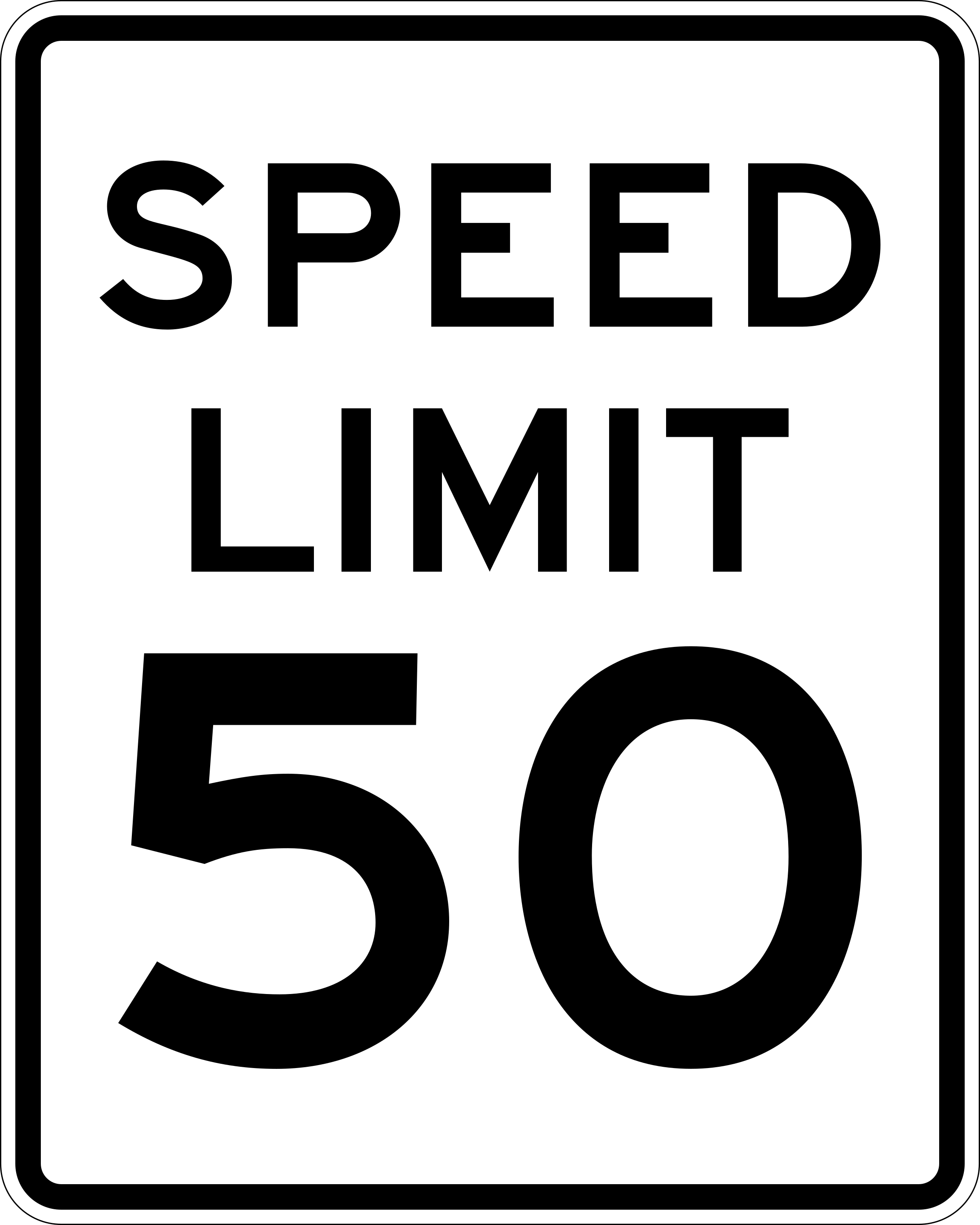
Question 8What do rectangular signs indicate?
Show answer
A: Traffic regulations or directions to drivers. Rectangular signs show traffic regulations or directions to drivers. New Hampshire Driver's Manual (DSMV 360): Section 6: Rules of the Road: Traffic Signs: Standard Shapes, page 27.
-
Question 9When meeting a large truck coming from the opposite direction, what should you do?
Show answer
D: Keep as far right as possible. Keep as far to the right as possible to avoid a sideswipe and reduce wind turbulence between the vehicles. New Hampshire Driver's Manual (DSMV 360): Section 11: Sharing the Road: Turning (large vehicles), page 45.
-
Question 10What happens if an uninsured New Hampshire driver can't pay damages from a crash?
Show answer
B: The DMV must suspend their driving privileges until a settlement is reached. If unable to pay damages and medical bills, NH law requires the DMV to suspend driving privileges until a settlement is reached; an SR-22 may be required for years. New Hampshire Driver's Manual (DSMV 360): Section 9: Accidents and Financial Responsibility: Financial Responsibility—Insurance, page 38.
-
Question 11Why should you always wear a safety belt even with air bags?
Show answer
D: Air bags are supplemental and work best with safety belts. Air bags are supplemental restraints designed to work best with safety belts, which position your body and restrain you in multiple impacts. New Hampshire Driver's Manual (DSMV 360): Section 4: Before Driving: Air Bags, page 18.
-
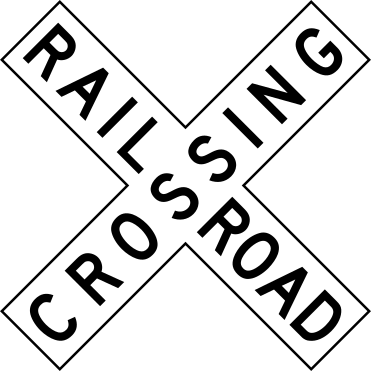
Question 12What does a crossbuck (X-shaped) sign indicate?
Show answer
C: Where a railroad crossing is. The crossbuck indicates where a railroad crossing is; the round sign gives advance warning. New Hampshire Driver's Manual (DSMV 360): Section 6: Rules of the Road: Traffic Signs: Standard Shapes, page 27.
-
Question 13Which conviction requires showing proof of insurance (SR-22) to reinstate privileges in New Hampshire?
Show answer
C: Driving under the influence of alcohol or drugs. SR-22 proof is required after DUI, failing to stop and report a crash, vehicular homicide, a second reckless driving offense, or a just cause hearing. New Hampshire Driver's Manual (DSMV 360): Section 9: Accidents and Financial Responsibility: Financial Responsibility, page 39.
-
Question 14When backing, which way should you steer?
Show answer
C: Slightly in the direction the rear of the vehicle should move. Accelerate gently, keep speed slow, and steer slightly in the direction the rear of the vehicle should move. New Hampshire Driver's Manual (DSMV 360): Section 5: Basic Driving: Backing, page 23.
-
Question 15What do black and white speed limit signs show?
Show answer
D: The maximum legal speed in ideal conditions. Speed limit signs show the maximum legal speed allowed in ideal conditions. New Hampshire Driver's Manual (DSMV 360): Section 6: Rules of the Road: Examples of Regulatory Signs, page 28.
-
Question 16What does a New Hampshire motorcycle license allow you to operate?
Show answer
A: Motorcycles, 3-wheeled motorcycles, motor-driven cycles and mopeds. A motorcycle license allows operation of motorcycles, 3-wheeled motorcycles, motor-driven cycles and mopeds. New Hampshire Driver's Manual (DSMV 360): Section 2: Driver's License and Non-Driver ID Information: Types of Driver Licenses, page 10.
-
Question 17What is the average perception time for an alert driver?
Show answer
D: ¾ second to 1 second. Average perception time for an alert driver is ¾ second to 1 second; reaction time is about the same. New Hampshire Driver's Manual (DSMV 360): Section 5: Basic Driving: Stopping Distance, page 22.
-
Question 18What should you do at a crossing with more than one track after a train passes?
Show answer
A: Wait until you have a clear view of the tracks in both directions. If there is more than one track, don't cross until there is a clear view of the tracks in both directions. New Hampshire Driver's Manual (DSMV 360): Section 6: Rules of the Road: Railroad Crossing Warning Signs, page 28.
-
Question 19Do you need a separate moped license in New Hampshire if you hold a Class D license?
Show answer
D: No. Drivers do not need a moped license if they already possess a Class A, B, C, D or motorcycle license. New Hampshire Driver's Manual (DSMV 360): Section 2: Driver's License and Non-Driver ID Information: Types of Driver Licenses, page 10.
-
Question 20When is a light tap on the horn appropriate?
Show answer
A: When a pedestrian or bicyclist begins moving into your lane. A light tap is appropriate when pedestrians or bicyclists move into your lane, a passing driver turns into you, an oncoming driver crosses the center, or someone backing may not see you. New Hampshire Driver's Manual (DSMV 360): Section 5: Basic Driving: Communicating and Signaling, page 22.
-
Question 21Once a railroad crossing is clear, how should you cross?
Show answer
B: Look both ways and cross quickly without stopping. When clear, look both ways and cross the tracks quickly without stopping. New Hampshire Driver's Manual (DSMV 360): Section 6: Rules of the Road: Railroad Crossing Warning Signs, page 28.
-
Question 22What does a 'B' restriction on a New Hampshire license mean?
Show answer
C: Corrective lenses. Restriction B means corrective lenses; it is added if glasses or contacts were needed to pass the vision test. New Hampshire Driver's Manual (DSMV 360): Section 2: Driver's License and Non-Driver ID Information: License Restrictions, page 10.
-
Question 23Most vehicle warning systems are 'passive.' What does that mean?
Show answer
C: They warn the driver but don't automatically prevent the problem. Most warning technologies are passive: they warn of a potential issue but do not automatically prevent a problem or collision. New Hampshire Driver's Manual (DSMV 360): Section 5: Basic Driving: Vehicle Warning Systems, page 25.
-
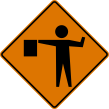
Question 24A flagger in a work zone signals you to stop. What must you do?
Show answer
D: Follow their instructions. In work zones, traffic may be controlled by a person with a sign or flag, and drivers must follow their instructions. New Hampshire Driver's Manual (DSMV 360): Section 6: Rules of the Road: Work Zone Signs, page 29.
-
Question 25What does a 'G' restriction on a New Hampshire license mean?
Show answer
D: Daylight only. Restriction G limits the driver to daylight only. New Hampshire Driver's Manual (DSMV 360): Section 2: Driver's License and Non-Driver ID Information: License Restrictions, page 10.
Answer every question to see your score.
More New Hampshire practice tests
- Practice test 125 questions
- Practice test 225 questions
- Practice test 325 questions
- Practice test 425 questions
- Practice test 525 questions
- Practice test 625 questions
- Practice test 725 questions
- Practice test 825 questions
- Practice test 925 questions
- Practice test 1121 questions
- Exam simulatorThe real format, 40 questions
How to use these tests
Read each explanation, even when you get the question right: it tells you the rule and the handbook section, so you can look it up. Your answers are saved in this browser only, so the weak spots mode can give you more questions on the topics you miss. When you're scoring well, take the exam simulator: it uses the same number of questions and passing score as the real test.
Our own questions, written from the New Hampshire Driver's Manual (DSMV 360) and checked against it. Not affiliated with the New Hampshire Department of Safety, Division of Motor Vehicles. Found a mistake? Tell us.