New Hampshire DMV permit practice test 3
25 questions written from the New Hampshire Driver's Manual (DSMV 360), covering road signs, lanes, highways and freeways, turns and intersections, sharing the road, parking and more. Pick an answer to see straight away whether you're right and why. The real New Hampshire DMV test has 40 questions and you need 32 right.
-
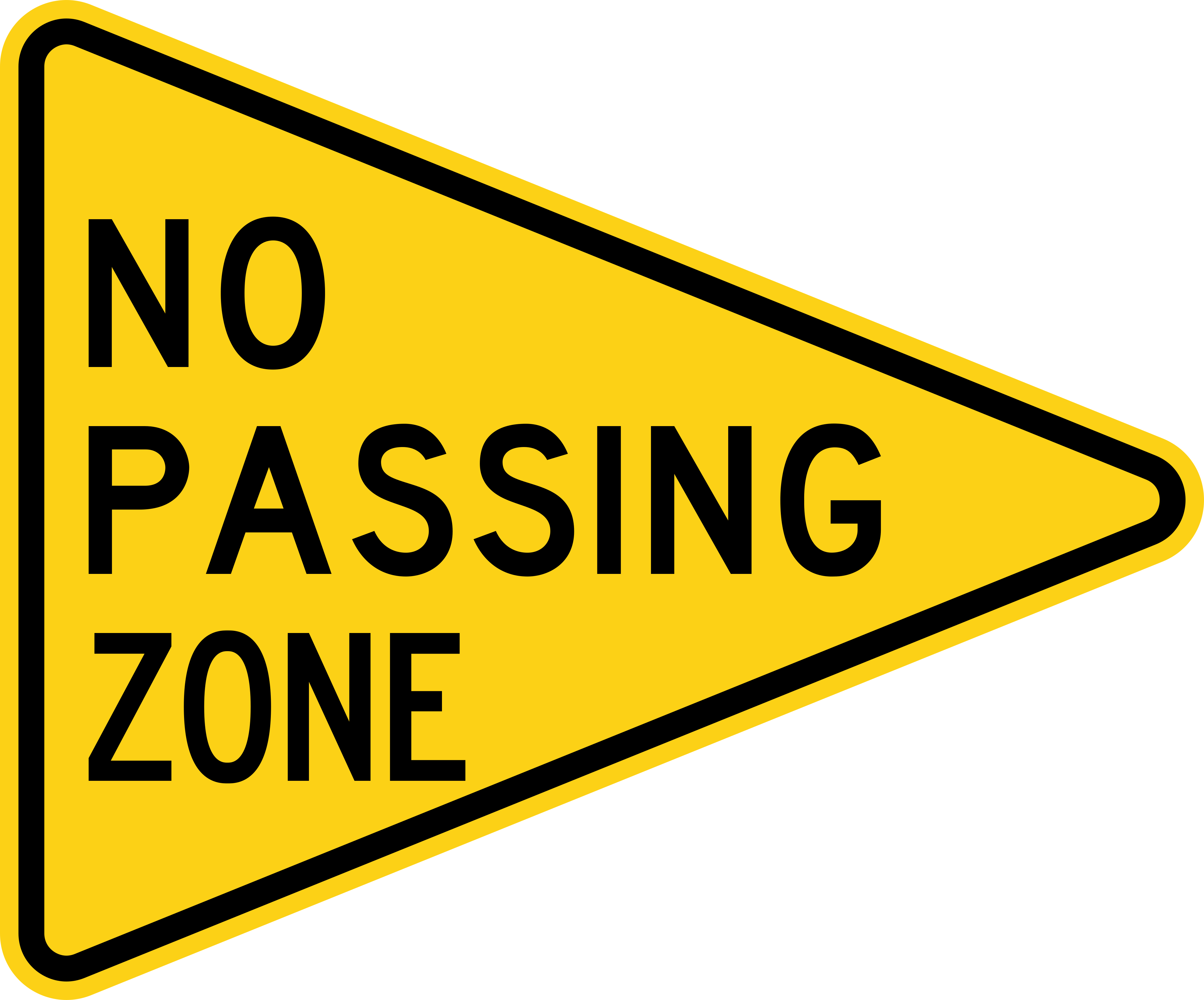
Question 1What does a pennant-shaped (sideways triangle) sign mean, and where is it placed?
Show answer
B: No passing zone ahead; on the left side of the road. The pennant warns of a no-passing zone ahead and is found on the left side of the road. New Hampshire Driver's Manual (DSMV 360): Section 6: Rules of the Road: Traffic Signs: Standard Shapes, page 27.
-
Question 2Near truck weigh stations and on steep hills, which lane should you avoid if possible?
Show answer
B: The right lane. Avoid the right lane when going up or down hills and near weigh stations where trucks re-enter traffic. New Hampshire Driver's Manual (DSMV 360): Section 11: Sharing the Road: Rear No-Zones, page 45.
-
Question 3An oncoming car's turn signal is on. Should you pull out in front of it?
Show answer
D: No, the driver may turn later or forgot to cancel the signal. Don't turn in front of another vehicle just because its signal is on; the driver may turn past you or may have forgotten to cancel it. New Hampshire Driver's Manual (DSMV 360): Section 7: General Driving and Parking: Intersections, page 32.
-
Question 4About what share of traffic deaths each year are vehicle-pedestrian collisions?
Show answer
B: Nearly 20 percent. Vehicle-pedestrian collisions account for nearly 20 percent of all traffic deaths each year. New Hampshire Driver's Manual (DSMV 360): Section 11: Sharing the Road: Pedestrians, page 42.
-
Question 5How close to a crosswalk at an intersection may you park in New Hampshire?
Show answer
B: No closer than 20 feet. It is illegal to park within 20 feet of a crosswalk at an intersection. New Hampshire Driver's Manual (DSMV 360): Section 7: General Driving and Parking: Parking, page 34.
-
Question 6At a crash scene with injuries, what should you do?
Show answer
A: Call 911, give aid, but don't move injured people unless necessary. Call 911 if there are injuries; give aid but don't move injured people unless necessary, and be sure an ambulance is called. New Hampshire Driver's Manual (DSMV 360): Section 9: Accidents and Financial Responsibility: Accident Procedures, page 38.
-
Question 7How many hours of practice driving with a certified instructor does New Hampshire driver education include?
Show answer
B: 10 hours. Driver education includes 10 hours of practice driving with a certified instructor and 6 hours of observation. New Hampshire Driver's Manual (DSMV 360): Section 1: Driving in New Hampshire: Licensing Requirements, page 7.
-
Question 8What is the only thing that reduces the effects of alcohol?
Show answer
B: Time. Nothing reduces the effects of alcohol except time; coffee, food, fresh air, exercise or cold showers don't counter it. New Hampshire Driver's Manual (DSMV 360): Section 3: Dangerous Driving: Effects of Alcohol and Other Impairing Drugs, page 15.
-
Question 9Which phone use is allowed for a New Hampshire driver over 18?
Show answer
B: A Bluetooth or hands-free device that doesn't divert attention from the road. Only drivers over 18 may use a hands-free or vehicle-integrated device that doesn't require diverting attention from the road (one hand may activate a function). New Hampshire Driver's Manual (DSMV 360): Section 3: Dangerous Driving: Driver Distractions, page 14.
-
Question 10At a four-way stop, two drivers arrive at the same time. Who yields?
Show answer
C: The driver on the left yields to the driver on the right. Yield to the driver on the right at a four-way stop if you arrive at the same time. New Hampshire Driver's Manual (DSMV 360): Section 5: Basic Driving: Yielding Right-of-Way, page 20.
-
Question 11What is the minimum speed on a New Hampshire interstate (in normal conditions)?
Show answer
C: 45 mph. The minimum speed on an interstate is 45 mph unless road and weather conditions make that unsafe. New Hampshire Driver's Manual (DSMV 360): Section 5: Basic Driving: Speed Management, page 21.
-
Question 12What does a yellow arrow signal mean in New Hampshire?
Show answer
B: Slow down and proceed in the direction of the arrow with caution. A yellow arrow means slow down and proceed in the direction of the arrow with caution. New Hampshire Driver's Manual (DSMV 360): Section 6: Rules of the Road: Traffic Signals, page 26.
-
Question 13How much should you add to your following distance at night on an unfamiliar road?
Show answer
D: At least two additional seconds. Add at least one second for night driving and at least two additional seconds on unfamiliar roads at night. New Hampshire Driver's Manual (DSMV 360): Section 5: Basic Driving: Night Driving, page 24.
-
Question 14May you pass on the shoulder in New Hampshire?
Show answer
D: Never, whether it is paved or not. Never pass on the shoulder, whether paved or not. New Hampshire Driver's Manual (DSMV 360): Section 5: Basic Driving: Passing, page 23.
-
Question 15What does a round (circle) sign mean?

Show answer
B: Advance warning of a railroad crossing. A circle shape gives advance warning of a railroad crossing. New Hampshire Driver's Manual (DSMV 360): Section 6: Rules of the Road: Traffic Signs: Standard Shapes, page 27.
-
Question 16Before changing lanes, what should you do?
Show answer
B: Check mirrors, do head checks of blind spots, find a gap, signal and look again. Check mirrors, head-check blind spots, identify a gap, signal and look again, then adjust speed and steer into the lane. New Hampshire Driver's Manual (DSMV 360): Section 5: Basic Driving: Changing Lanes, page 22.
-
Question 17In a multi-lane roundabout, what should you avoid?
Show answer
C: Changing lanes or passing other vehicles inside the roundabout. Choose your lane before entering, yield to traffic in both lanes, keep your lane position, and don't change lanes or pass inside. New Hampshire Driver's Manual (DSMV 360): Section 7: General Driving and Parking: Multi-Lane Roundabouts (Traffic Circles), page 33.
-
Question 18A person with a white cane or harnessed guide dog is trying to cross the road. What does NH law require?
Show answer
B: Come to a complete stop and never honk or yell. NH law requires a complete stop whenever a person with a white cane or harnessed guide dog is attempting to cross; never honk or yell. New Hampshire Driver's Manual (DSMV 360): Section 11: Sharing the Road: Visually Impaired/Blind Pedestrians, page 42.
-
Question 19How close to a stop sign, yield sign or traffic signal may you park in New Hampshire?
Show answer
B: No closer than 30 feet. It is illegal to park within 30 feet of a stop sign, yield sign or traffic control signal. New Hampshire Driver's Manual (DSMV 360): Section 7: General Driving and Parking: Parking, page 34.
-
Question 20A vehicle suddenly comes at you from the opposite direction. Which way should you never swerve?
Show answer
C: To the left. Steer where you want to go while avoiding other traffic, but never swerve to the left to avoid a crash. New Hampshire Driver's Manual (DSMV 360): Section 10: Driving Emergencies: Swerving, page 40.
-
Question 21How many additional supervised hours with a parent or responsible adult does New Hampshire require, and how many at night?
Show answer
B: 40 hours, 10 at night. Teens must complete 40 hours of additional supervised driving with a parent, guardian or responsible adult, 10 of them at night. New Hampshire Driver's Manual (DSMV 360): Section 1: Driving in New Hampshire: Licensing Requirements, page 7.
-
Question 22About how long does each ounce of alcohol take to go through the body?
Show answer
D: About an hour. Each ounce of alcohol consumed takes about an hour to go through the body. New Hampshire Driver's Manual (DSMV 360): Section 3: Dangerous Driving: Effects of Alcohol and Other Impairing Drugs, page 15.
-
Question 23How often does the New Hampshire manual recommend checking tire pressure?
Show answer
C: Once a month. It is recommended that drivers have tire pressure checked once a month. New Hampshire Driver's Manual (DSMV 360): Section 4: Before Driving: Vehicle Safety Check, page 17.
-
Question 24Whom must you yield to when entering a public highway from a private road or driveway?
Show answer
C: Drivers on the public highway. Yield to drivers on a public highway when entering it from a driveway or private road. New Hampshire Driver's Manual (DSMV 360): Section 5: Yielding Right-of-Way, page 20.
-
Question 25What is the speed limit in a posted New Hampshire school zone during the restricted times?
Show answer
A: 10 mph below the usual posted limit. In a posted school zone, the limit is 10 mph below the usual posted limit from 45 minutes before school opens until it opens, and from closing until 45 minutes after. New Hampshire Driver's Manual (DSMV 360): Section 5: Basic Driving: Speed Management, page 21.
Answer every question to see your score.
More New Hampshire practice tests
- Practice test 125 questions
- Practice test 225 questions
- Practice test 425 questions
- Practice test 525 questions
- Practice test 625 questions
- Practice test 725 questions
- Practice test 825 questions
- Practice test 925 questions
- Practice test 1025 questions
- Practice test 1121 questions
- Exam simulatorThe real format, 40 questions
How to use these tests
Read each explanation, even when you get the question right: it tells you the rule and the handbook section, so you can look it up. Your answers are saved in this browser only, so the weak spots mode can give you more questions on the topics you miss. When you're scoring well, take the exam simulator: it uses the same number of questions and passing score as the real test.
Our own questions, written from the New Hampshire Driver's Manual (DSMV 360) and checked against it. Not affiliated with the New Hampshire Department of Safety, Division of Motor Vehicles. Found a mistake? Tell us.