North Carolina NCDMV permit practice test 2
25 questions written from the North Carolina Driver Handbook, covering hazards, weather and night driving, emergencies, lanes, highways and freeways, licensing laws and penalties, alcohol and drugs and more. Pick an answer to see straight away whether you're right and why.
-
Question 1When must North Carolina drivers turn on their headlights in bad weather?
Show answer
C: Whenever they are using windshield wipers due to inclement weather. All North Carolina motorists must use headlights whenever they use windshield wipers because of bad weather. North Carolina Driver Handbook: Windshield Wipers/Headlights, page 75.
-
Question 2How can you dry your brakes after driving through deep water?
Show answer
D: Drive a short distance while applying light pressure to the brake pedal. Drive a short distance with light pressure on the brake pedal; the heat from friction evaporates the water. North Carolina Driver Handbook: Emergencies: Wet Brakes, page 77.
-
Question 3You missed your exit on the interstate. What should you do?
Show answer
C: Go on to the next exit. Never slow down, back up or try to turn around after missing an exit; continue to the next exit. North Carolina Driver Handbook: Entering and Exiting the Interstate, page 67.
-
Question 4During the first six months with a Level One Limited Learner Permit, during which hours may you drive?
Show answer
A: 5 a.m. to 9 p.m., with your supervising driver. For the first six months a Level One permit allows driving only between 5 a.m. and 9 p.m., and always with the supervising driver. North Carolina Driver Handbook: Graduated Licensing—Licensing for Drivers 15–18: Limited Learner Permit, page 14.
-
Question 5Besides a BAC test result, how else can driving while impaired be proven in North Carolina?
Show answer
D: By showing the driver's physical or mental faculties were appreciably impaired. DWI can also be proven by showing the driver's physical or mental fitness was appreciably impaired by alcohol, drugs or both, regardless of BAC. North Carolina Driver Handbook: Driving While Impaired, page 33.
-
Question 6On a long trip, how often does the handbook recommend getting out of the car to stretch and walk?
Show answer
A: At least every 2 hours. To prevent drowsy driving, stop and get out of the car at least every 2 hours to stretch and walk briskly. North Carolina Driver Handbook: Drowsy Driving, page 42.
-
Question 7In North Carolina, when may you turn right at a steady red light?
Show answer
A: After a complete stop, unless a NO TURN ON RED sign is posted, yielding to traffic and pedestrians. Unless a NO TURN ON RED sign is posted, you may turn right after a complete stop, yielding to other traffic and pedestrians. North Carolina Driver Handbook: Traffic Signals, page 82.
-
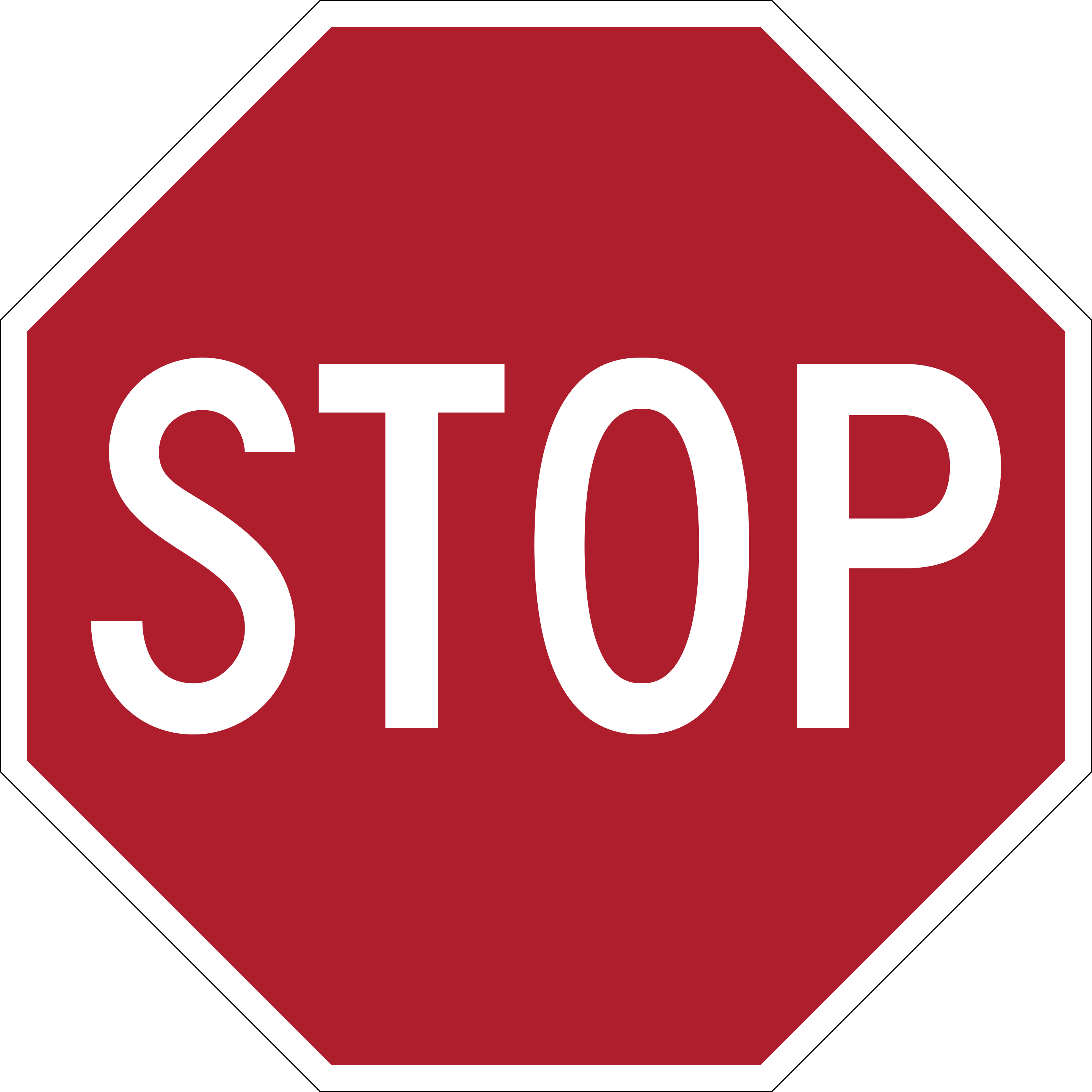
Question 8At a stop sign with no stop line or crosswalk marked, where must you stop?
Show answer
D: Before entering the intersection, where you can see the intersecting street. If there is no stop line or marked crosswalk, stop before entering the intersection at a point where you have a view of the intersecting street. North Carolina Driver Handbook: Traffic Signs: Regulatory Signs, page 85.
-
Question 9You want to turn left and an oncoming car is going straight through the intersection. Who has the right of way?
Show answer
D: The oncoming car going straight. The driver turning left must signal and wait; the driver going straight ahead has the right of way. North Carolina Driver Handbook: Right-of-Way at Intersections, page 59.
-
Question 10On a four-lane roadway without a median, a school bus stops for passengers. Who must stop?
Show answer
B: All traffic from both directions. On a four-lane roadway without a median separation, all traffic from both directions must stop. North Carolina Driver Handbook: School Buses, page 50.
-
Question 11What is the maximum speed limit listed in the handbook for North Carolina interstates?
Show answer
D: 70 mph. The maximum speed limit table lists 70 mph for interstates. North Carolina Driver Handbook: Adjusting Your Speed to Driving Conditions: Maximum Speed Limits, page 55.
-
Question 12Before passing on a two-lane road, what does the handbook say you should do after signaling?
Show answer
C: Blow the horn to signal the driver ahead. The passing steps are: look ahead and behind, signal, and blow the horn to signal the driver ahead. North Carolina Driver Handbook: Passing, page 57.
-
Question 13If the speed limit is 45 mph or more, you must signal at least how far before turning?
Show answer
B: The last 200 feet. Where the speed limit is 45 mph or more, signal at least the last 200 feet before turning. North Carolina Driver Handbook: Hand Signals: Flashing Turn Signals, page 71.
-
Question 14Parking on the shoulder of a highway is illegal unless approaching drivers can see the vehicle from both directions for at least:
Show answer
D: 200 feet. Shoulder parking is against the law unless the vehicle can be seen from both directions for at least 200 feet. North Carolina Driver Handbook: Parking, page 58.
-
Question 15Which headlights should you use when driving at night in a city?
Show answer
B: Low beams. Use low beams when driving at night in a city; on the open road use high beams unless approaching or following another vehicle. North Carolina Driver Handbook: Night Driving, page 73.
-
Question 16To avoid wearing out your brakes on a long, steep downhill grade, what should you do?
Show answer
C: Shift to a lower gear at the top of the hill. Use a lower gear instead of the brake pedal to control speed, shifting at the top of the hill before descending. North Carolina Driver Handbook: Emergencies: Wet Brakes, page 77.
-
Question 17When leaving an interstate, when should you slow down?
Show answer
B: After entering the deceleration lane. Signal well in advance and enter the deceleration lane without slowing, then slow to the posted exit speed. North Carolina Driver Handbook: Interstate Highways, page 66.
-
Question 18After holding a Level One permit for six months, when may you drive?
Show answer
B: At any time, as long as a supervising driver is with you. Six months after the Level One permit is issued, the holder may drive at any hour, but still only with a supervising driver. North Carolina Driver Handbook: Graduated Licensing—Licensing for Drivers 15–18: Limited Learner Permit, page 14.
-
Question 19If you refuse a required chemical test after being charged with DWI, what happens to your license?
Show answer
A: Immediate revocation for at least 30 days plus a minimum 12-month DMV revocation. Refusal brings an immediate revocation of at least 30 days and an additional minimum 12-month revocation by DMV, and the refusal can be used as evidence in court. North Carolina Driver Handbook: Driving While Impaired, page 33.
-
Question 20What daily driving limit does the handbook suggest to help prevent drowsy driving?
Show answer
B: 300 to 400 miles per day. The handbook suggests trying to set a limit of 300-400 miles of driving per day. North Carolina Driver Handbook: Drowsy Driving, page 43.
-
Question 21What is the penalty for failing to yield to a pedestrian while turning right on red in North Carolina?
Show answer
B: Not less than $100 and not more than $500. Failure to yield to a pedestrian when turning right on red carries a penalty of $100 to $500. North Carolina Driver Handbook: Traffic Signals, page 82.
-
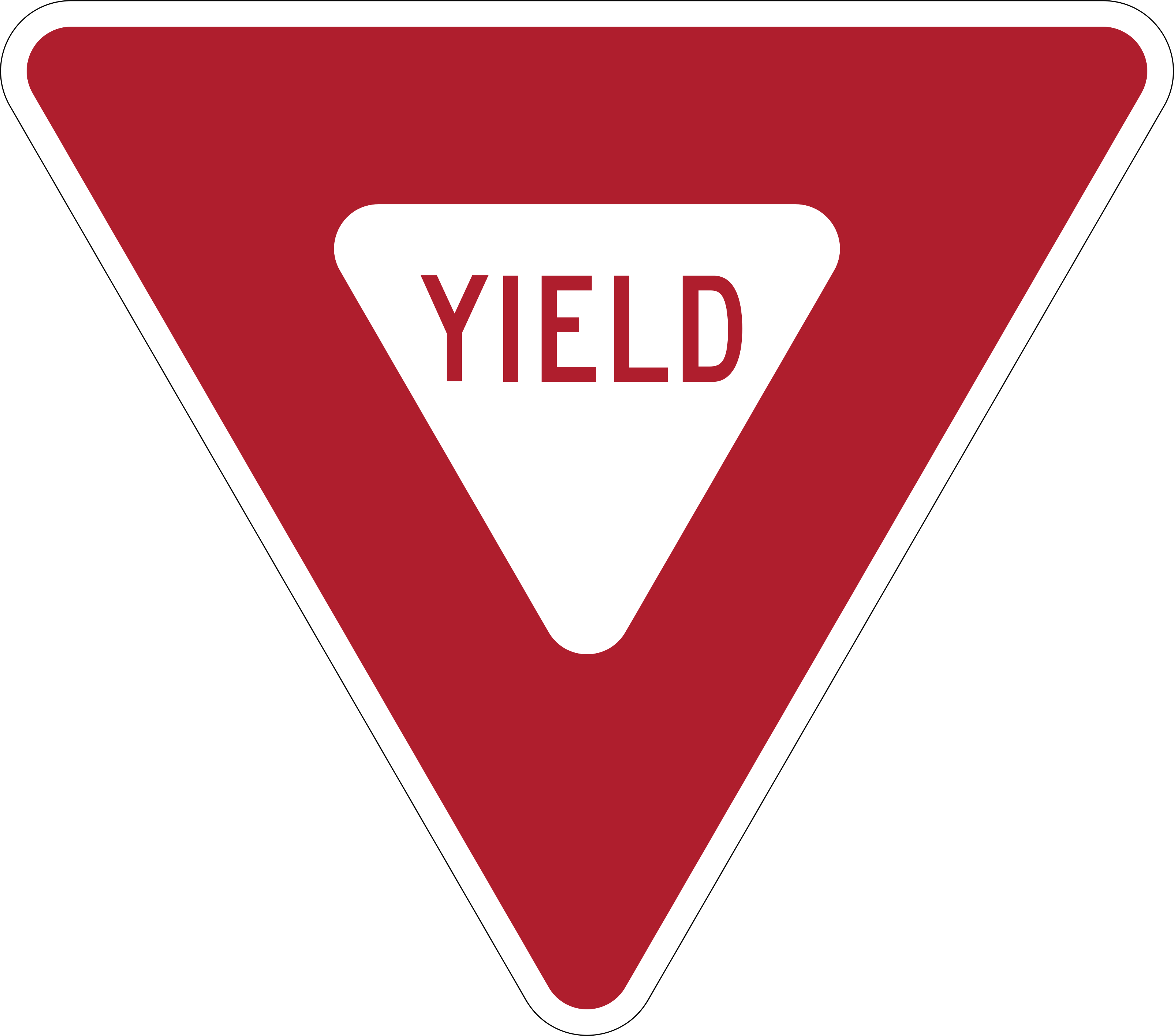
Question 22What does a triangular red and white sign with the point at the bottom mean?
Show answer
B: Yield: slow down and give the right of way, stopping if needed. The yield sign means slow down and yield the right of way; stop if needed to avoid interfering with traffic on the intersecting street. North Carolina Driver Handbook: Traffic Signs: Regulatory Signs, page 85.
-
Question 23What must you do when exiting a private driveway onto a road?
Show answer
A: Stop and yield to all vehicles and pedestrians. When leaving a private driveway, stop and yield to all other vehicles and pedestrians. North Carolina Driver Handbook: Right-of-Way at Intersections, page 59.
-
Question 24On a roadway of four lanes or more with a center turning lane, a school bus stops for passengers. Who must stop?
Show answer
C: Only traffic following the bus. On a roadway of four lanes or more with a center turning lane, only traffic following the bus must stop. North Carolina Driver Handbook: School Buses, page 50.
-
Question 25What is the maximum speed limit for a school activity bus in North Carolina?
Show answer
B: 55 mph. School activity buses may go up to 55 mph, while school buses are limited to 45 mph. North Carolina Driver Handbook: Adjusting Your Speed to Driving Conditions: Maximum Speed Limits, page 55.
Answer every question to see your score.
More North Carolina practice tests
- Practice test 125 questions
- Practice test 325 questions
- Practice test 425 questions
- Practice test 525 questions
- Practice test 625 questions
- Practice test 725 questions
- Practice test 825 questions
- Practice test 925 questions
- Practice test 1025 questions
- Practice test 1125 questions
- Practice test 1225 questions
- Practice test 1325 questions
- Exam simulatorThe real format
How to use these tests
Read each explanation, even when you get the question right: it tells you the rule and the handbook section, so you can look it up. Your answers are saved in this browser only, so the weak spots mode can give you more questions on the topics you miss. When you're scoring well, take the exam simulator: it uses 25 questions at the NCDMV's pass mark, since it doesn't publish the number of questions.
Our own questions, written from the North Carolina Driver Handbook and checked against it. Not affiliated with the North Carolina Division of Motor Vehicles (N.C. Department of Transportation). Found a mistake? Tell us.