Washington DOL permit practice test 6
25 questions written from the Washington Driver Guide, covering emergencies, licensing laws and penalties, alcohol and drugs, safe and defensive driving, hazards, weather and night driving and more. Pick an answer to see straight away whether you're right and why. The real Washington DOL test has 40 questions and you need 32 right.
-
Question 1Your engine shuts off while driving. What should you expect and do?
Show answer
C: Steering may be difficult but possible; brake with steady pressure and pull off. Keep a strong grip; the wheel may be hard to turn but you can turn it. Brake with steady pressure, slow down and pull off. Washington Driver Guide: 5.7 Power, page 174.
-
Question 2After getting your license at a Washington driver licensing office, how long is the temporary license good for?
Show answer
C: 45 days. Before leaving the office you'll receive a temporary license that is good for 45 days; the official license is mailed. Washington Driver Guide: 1.8 Getting your personal driver license: ages 16 to 17, page 27.
-
Question 3Under Washington's open container law, which is a traffic infraction?
Show answer
B: A passenger drinking alcohol in a moving vehicle on the road. It's an infraction if anyone in the vehicle drinks alcohol or consumes cannabis, has opened containers, or hides alcohol or cannabis in unlabeled containers. Washington Driver Guide: 1.15 Open container law, page 38.
-
Question 4How should the shoulder belt be worn?
Show answer
D: Snug across the shoulder and chest, not crossing the neck or face. The shoulder belt should lie snug across the shoulder and chest; never put it behind your back or under your arm. Washington Driver Guide: 2.6 Seat belts and occupant protection, page 52.
-
Question 5Why is the pavement especially slippery when it starts to rain on a hot day?
Show answer
D: Heat brings oil in the asphalt to the surface until the rain washes it away. Heat causes oil in the asphalt to come to the surface; the road stays slippery until the oil washes away. Washington Driver Guide: 5.6 Slippery roads, page 170.
-
Question 6At a Y-intersection with a stop sign on the minor road, who has the right-of-way?
Show answer
B: Cars on the major road. At a Y-intersection, cars on the major road have the right-of-way. Washington Driver Guide: 4.14 Y-Intersection, page 124.
-
Question 7When merging in front of a large vehicle, when is it safe to move in?
Show answer
C: When you can clearly see both of its headlights in your rearview mirror. Wait until you can clearly see both of the large vehicle's headlights in your rearview mirror before merging in front. Washington Driver Guide: 4.4 Sharing with large vehicles, page 99.
-
Question 8What do shorter dashed white lines mean?
Show answer
B: The lane is ending; you will need to merge or exit. Shorter dashed white lines mean the lane is ending and you will need to merge or exit. Washington Driver Guide: 4.16 Lanes, page 131.
-
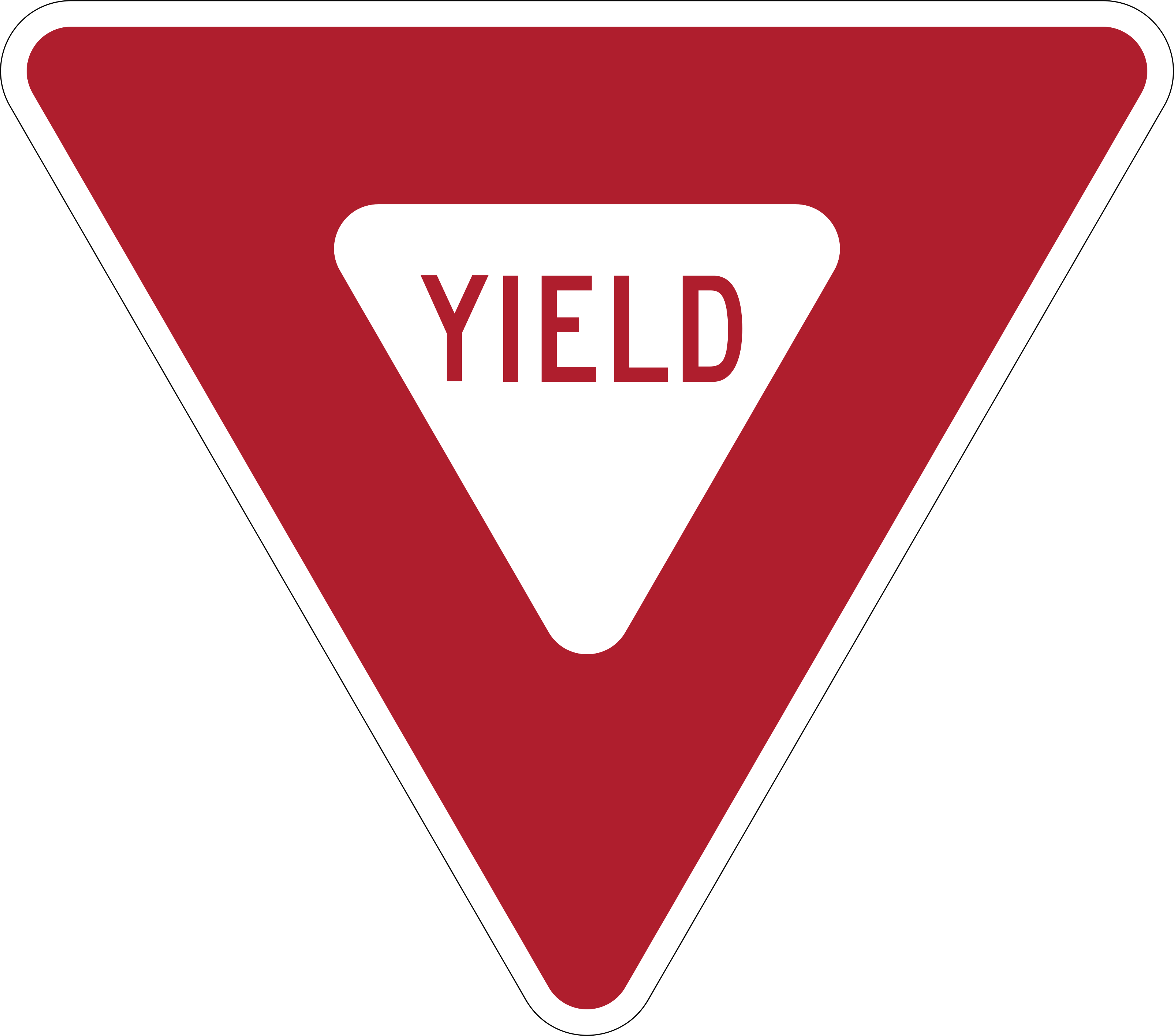
Question 9What does a yield sign require?
Show answer
D: Slow down and let traffic with the right-of-way cross first. A yield sign means you must slow down and allow traffic that has the right-of-way to cross first. Washington Driver Guide: 4.12 Common signs, page 114.
-
Question 10Why might a large vehicle go clockwise through a traffic calming circle?
Show answer
B: These circles are intended for passenger vehicles and may not easily fit large vehicles. Traffic calming circles may not accommodate large vehicles like fire trucks or buses, which might have to go clockwise. Washington Driver Guide: 4.15 Traffic calming circles, page 125.
-
Question 11When merging onto an interstate, who has the right-of-way?
Show answer
C: Drivers already on the interstate. Drivers already on the interstate have the right-of-way; use the whole on-ramp and adjust your speed to merge into a safe space. Washington Driver Guide: 5.3 Merging, page 160.
-
Question 12How are fire lanes usually marked?
Show answer
A: Red stripes or a red curb. Fire lanes are usually marked with red stripes or a red curb; don't park or stop in them. Washington Driver Guide: 4.16 Other road markings, page 138.
-
Question 13Your headlights suddenly go out at night. What should you do?
Show answer
C: Turn on hazard lights, turn signals or fog lights and pull off the road as soon as possible. Put on hazard lights, turn signals or fog lights, and pull off the road as soon as possible. Washington Driver Guide: 5.7 Headlight, page 174.
-
Question 14During the first 6 months of an intermediate license, which passengers are allowed?
Show answer
C: No passengers under 20 except immediate family members. For the first 6 months you may carry no passengers under age 20 except immediate family members. Washington Driver Guide: 1.8 Intermediate driver license, page 28.
-
Question 15According to the Washington guide, what is the most common impairment involved in fatal crashes?
Show answer
B: Polydrug use (mixing more than one drug). Polydrug use, the mixing of more than one type of drug, is the most common impairment involved in fatal crashes. Washington Driver Guide: 3.1 Polydrug use and driving, page 75.
-
Question 16Children up to what age must ride in a rear-facing car seat in Washington?
Show answer
B: 2. Children up to age 2 must ride in a rear-facing car seat. Washington Driver Guide: 2.6 Child seats, page 53.
-
Question 17Which places may be icy even when the rest of the road is not?
Show answer
B: Bridges, overpasses and shady spots. On cold, wet days shady spots can be icy, and overpasses and bridges can have icy spots when the rest of the road doesn't. Washington Driver Guide: 5.6 Slippery roads, page 171.
-
Question 18At a mid-block crosswalk with no stop sign, what should drivers do when pedestrians are crossing?
Show answer
C: Stop to allow pedestrians and bicyclists to cross. Pedestrians always have the right-of-way in a marked crosswalk; stop whether or not there is a stop sign. Washington Driver Guide: 4.14 Mid-block crossing, page 125.
-
Question 19How much space does a large vehicle need in a roundabout?
Show answer
D: Two lanes. Large vehicles might need more than one lane to turn, and they need 2 lanes of space in a roundabout. Washington Driver Guide: 4.4 Sharing with large vehicles, page 99.
-
Question 20Is it legal to drive within, over or across a median?
Show answer
B: No, it's illegal. Medians can be open spaces, cement dividers or 18-inch solid yellow markings with stripes; it's illegal to drive within, over or across them. Washington Driver Guide: 4.16 Lanes, page 131.
-
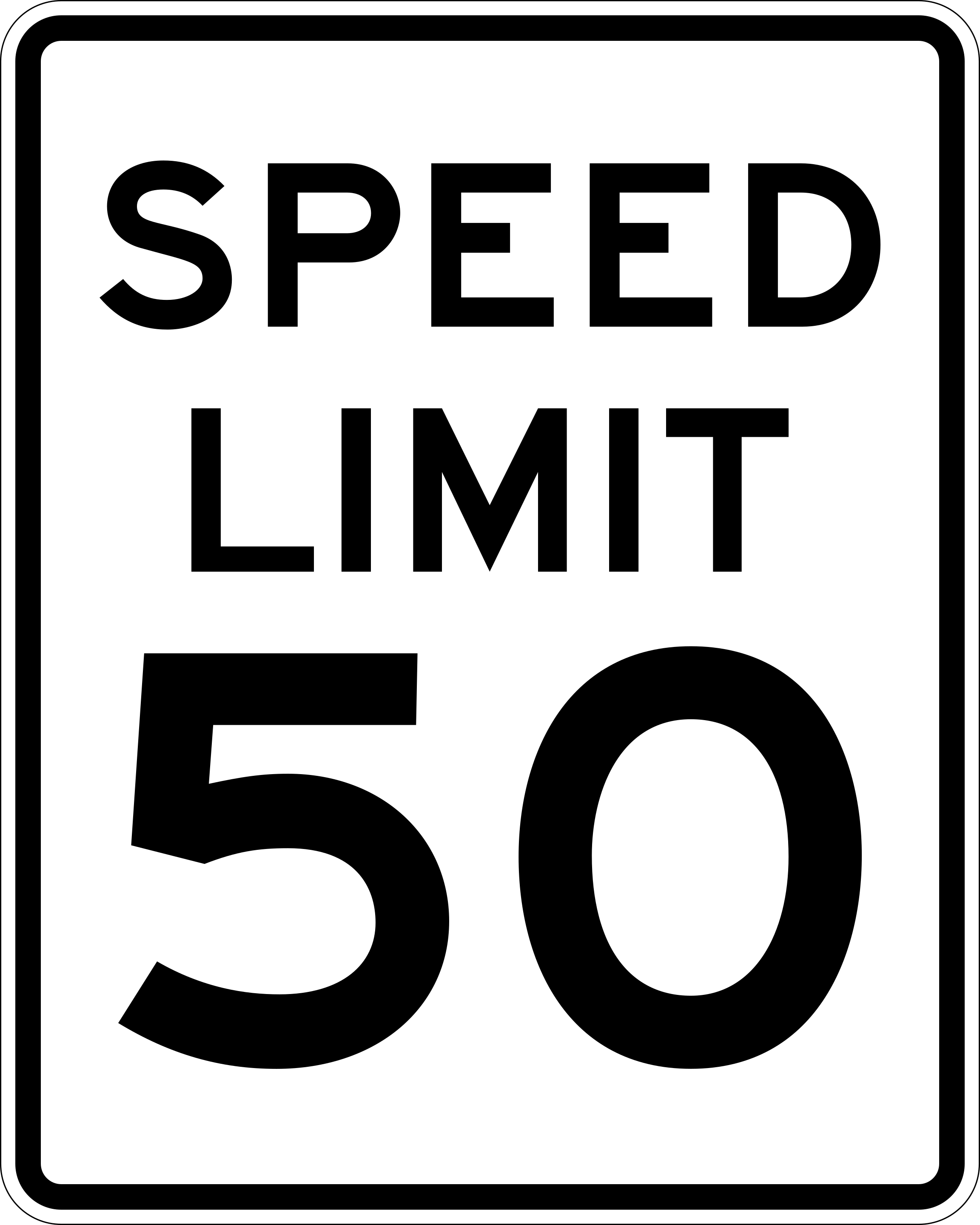
Question 21Can you get a ticket for driving too fast for conditions even if you are below the posted speed limit?
Show answer
D: Yes. The maximum limit is for ideal conditions; you can be ticketed for traveling too fast for road conditions even under the posted limit. Washington Driver Guide: 4.12 Common signs, page 114.
-
Question 22Roundabouts are designed for what speeds?
Show answer
C: 15 to 25 mph. Roundabouts are designed for speeds between 15 and 25 mph. Washington Driver Guide: 4.15 Roundabouts, page 127.
-
Question 23How does zipper merging work when a lane closes in slow traffic?
Show answer
D: Use both lanes until the merge area, then take turns. Stay in your lane until the designated merge area, then alternate merging like the teeth of a zipper. Washington Driver Guide: 5.3 Zipper merging, page 160.
-
Question 24What is the 'Dutch Reach' method?
Show answer
C: Opening your car door with the hand farthest from the door so you turn and see approaching bicyclists. Opening the door with your far hand forces your body to turn so you can see approaching bicyclists and slows the door opening. Washington Driver Guide: 4.18 General parking rules, page 144.
-
Question 25Your vehicle keeps going faster and faster because the accelerator is stuck. What should you do?
Show answer
B: Keep your eyes on the road, quickly shift to neutral, pull off when safe, then turn off the engine. Keep your eyes on the road, shift to neutral, pull off when safe, and then turn off the engine. Washington Driver Guide: 5.7 Accelerator, page 174.
Answer every question to see your score.
More Washington practice tests
- Practice test 125 questions
- Practice test 225 questions
- Practice test 325 questions
- Practice test 425 questions
- Practice test 525 questions
- Practice test 725 questions
- Practice test 825 questions
- Practice test 925 questions
- Practice test 1025 questions
- Practice test 1125 questions
- Practice test 1227 questions
- Exam simulatorThe real format, 40 questions
How to use these tests
Read each explanation, even when you get the question right: it tells you the rule and the handbook section, so you can look it up. Your answers are saved in this browser only, so the weak spots mode can give you more questions on the topics you miss. When you're scoring well, take the exam simulator: it uses the same number of questions and passing score as the real test.
Our own questions, written from the Washington Driver Guide and checked against it. Not affiliated with the Washington State Department of Licensing. Found a mistake? Tell us.