Wisconsin DMV permit practice test 9
25 questions written from the Wisconsin Motorists' Handbook (BDS126), covering road signs, sharing the road, emergencies, licensing laws and penalties, following and passing and more. Pick an answer to see straight away whether you're right and why. The real Wisconsin DMV test has 50 questions and you need 40 right.
-
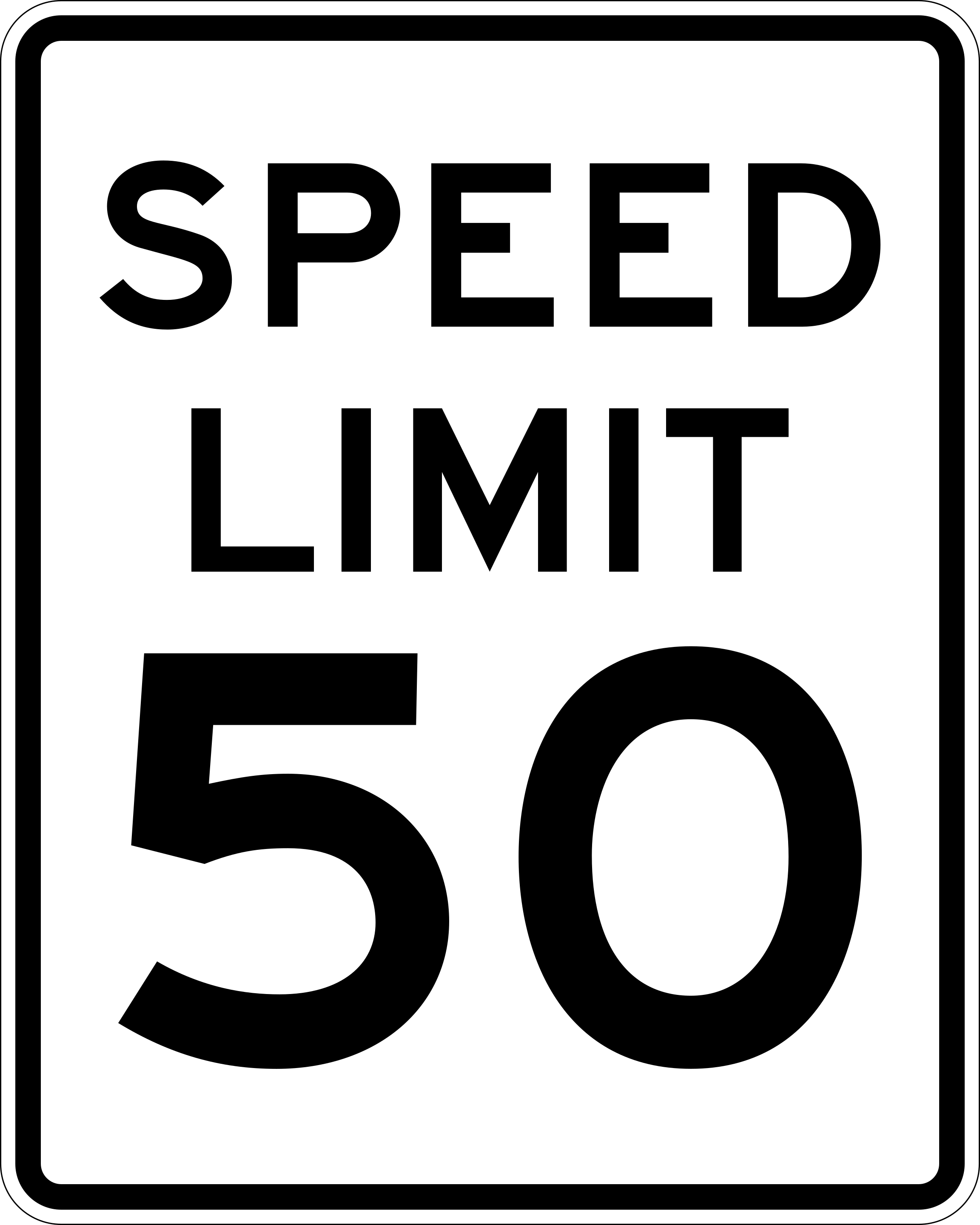
Question 1A white Speed Limit sign shows the maximum speed allowed under what conditions?
Show answer
A: Good driving conditions. The speed limit indicates the maximum speed you can drive in good driving conditions. Wisconsin Motorists' Handbook (BDS126): Section 4: Signs — B. Regulatory, page 28.
-
Question 2Should you share a lane side-by-side with a bicyclist?
Show answer
A: No; bicyclists can use the whole lane. Bicyclists can use the whole traffic lane; do not share a lane with them. Wisconsin Motorists' Handbook (BDS126): Section 10: Sharing the Road — E. Bicycles, page 56.
-
Question 3Your headlights suddenly stop working at night. What is one thing the handbook says to try?
Show answer
A: Flip the headlight switch to check whether only parking lights are on. Flip your headlights on and off, put on flashers and low lights, and pull off when safe. Wisconsin Motorists' Handbook (BDS126): Section 8: Handling Emergencies — C. Roadside Emergencies, page 52.
-
Question 4How many documents proving Wisconsin residency does the handbook say to bring when you apply for a license?
Show answer
B: Two. You need two documents that prove you live in Wisconsin, such as a utility bill or financial statement. Wisconsin Motorists' Handbook (BDS126): Section 2: Progression of Licenses, page 7.
-
Question 5The center markings are a solid yellow line next to a dashed yellow line. The dashed line is on your side. May you pass?
Show answer
A: Yes, when it is safe. You may pass if the dashed line is on your side; if the solid line is on your side, you may not. Wisconsin Motorists' Handbook (BDS126): Section 5: Signals, Pavement Markings and Lane Controls — B. Types of Line Markings, page 39.
-
Question 6If you hold a regular Wisconsin license and must use your phone while driving, what does the handbook suggest?
Show answer
A: Use your vehicle's hands-free option, or pull over. Regular license holders should avoid phones while driving; if necessary, try the hands-free option, or pull over safely. Wisconsin Motorists' Handbook (BDS126): Section 9: Dangerous Driving Behaviors — B. Distracted Driving, page 53.
-
Question 7As you reach a roundabout, whom must you yield to?
Show answer
A: Pedestrians, bicycles and traffic on your left already in the roundabout. Yield to pedestrians and bicycles, and to traffic on your left already in the roundabout. Wisconsin Motorists' Handbook (BDS126): Section 6: Driving Situations — A. Roundabouts, page 43.
-
Question 8When is pavement especially slippery?
Show answer
A: When it first starts to rain. Pavement is slippery when it starts to rain, near freezing temperatures and in shady spots. Wisconsin Motorists' Handbook (BDS126): Section 7: Driving Conditions — B. Severe Weather, page 48.
-
Question 9A solid white line separates your lane from the next. When may you cross it?
Show answer
A: Only for a hazard or if turning within the next block. You may cross a solid white lane line only if there is a hazard or you are turning within the next block. Wisconsin Motorists' Handbook (BDS126): Section 5: Signals, Pavement Markings and Lane Controls — B. Types of Line Markings, page 38.
-
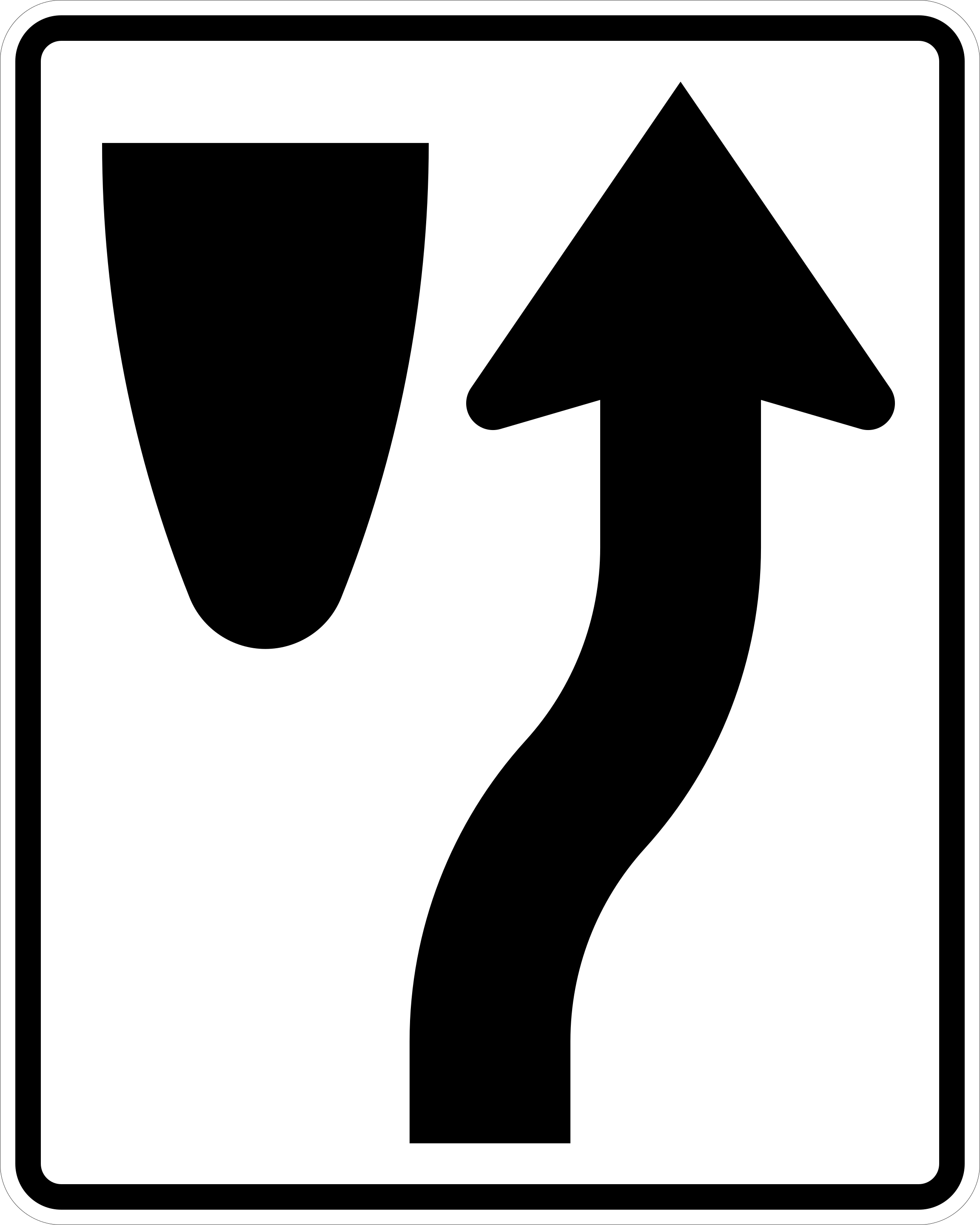
Question 10What does a Keep Right sign mean?
Show answer
A: A traffic island or obstacle divides the road ahead; keep to the right of it. Keep Right means a traffic island or obstacle divides the road ahead. Wisconsin Motorists' Handbook (BDS126): Section 4: Signs — B. Regulatory, page 28.
-
Question 11You want to pass a bicyclist, but an oncoming car is approaching. What should you do?
Show answer
A: Wait for oncoming traffic to clear before passing. Wait for oncoming traffic to clear before passing a bicyclist. Wisconsin Motorists' Handbook (BDS126): Section 10: Sharing the Road — E. Bicycles, page 56.
-
Question 12If a Wisconsin teen applicant does not live with a parent or guardian, which person may NOT sign as sponsor?
Show answer
C: A sibling who is 16. A sibling may sponsor only if 18 or older; grandparents, aunts, uncles and foster parents may sign. Wisconsin Motorists' Handbook (BDS126): Section 2: Progression of Licenses — A. Sponsorship, page 8.
-
Question 13What does the handbook recommend about pets in the car?
Show answer
A: Put them in a carrier or have a passenger hold them. Put pets in their carrier or have a passenger hold them. Wisconsin Motorists' Handbook (BDS126): Section 9: Dangerous Driving Behaviors — B. Distracted Driving, page 54.
-
Question 14In a multi-lane roundabout, which lane is generally used for left turns?
Show answer
A: The left lane. Generally, the left lane is marked for turning left; use the right lane for the next right. Wisconsin Motorists' Handbook (BDS126): Section 6: Driving Situations — A. Roundabouts, page 43.
-
Question 15Your car begins to hydroplane. What should you do?
Show answer
A: Ease off the gas and keep the wheel straight. Ease your foot off the gas and keep the wheel straight; don't stop or turn until tires grip again. Wisconsin Motorists' Handbook (BDS126): Section 7: Driving Conditions — B. Severe Weather, page 48.
-
Question 16Where should your front wheels be when you stop at a marked crosswalk?
Show answer
A: Just before the solid white line. Stop with your front wheels just before the solid white line; do not stop on the crosswalk. Wisconsin Motorists' Handbook (BDS126): Section 5: Signals, Pavement Markings and Lane Controls — B. Types of Line Markings, page 38.
-
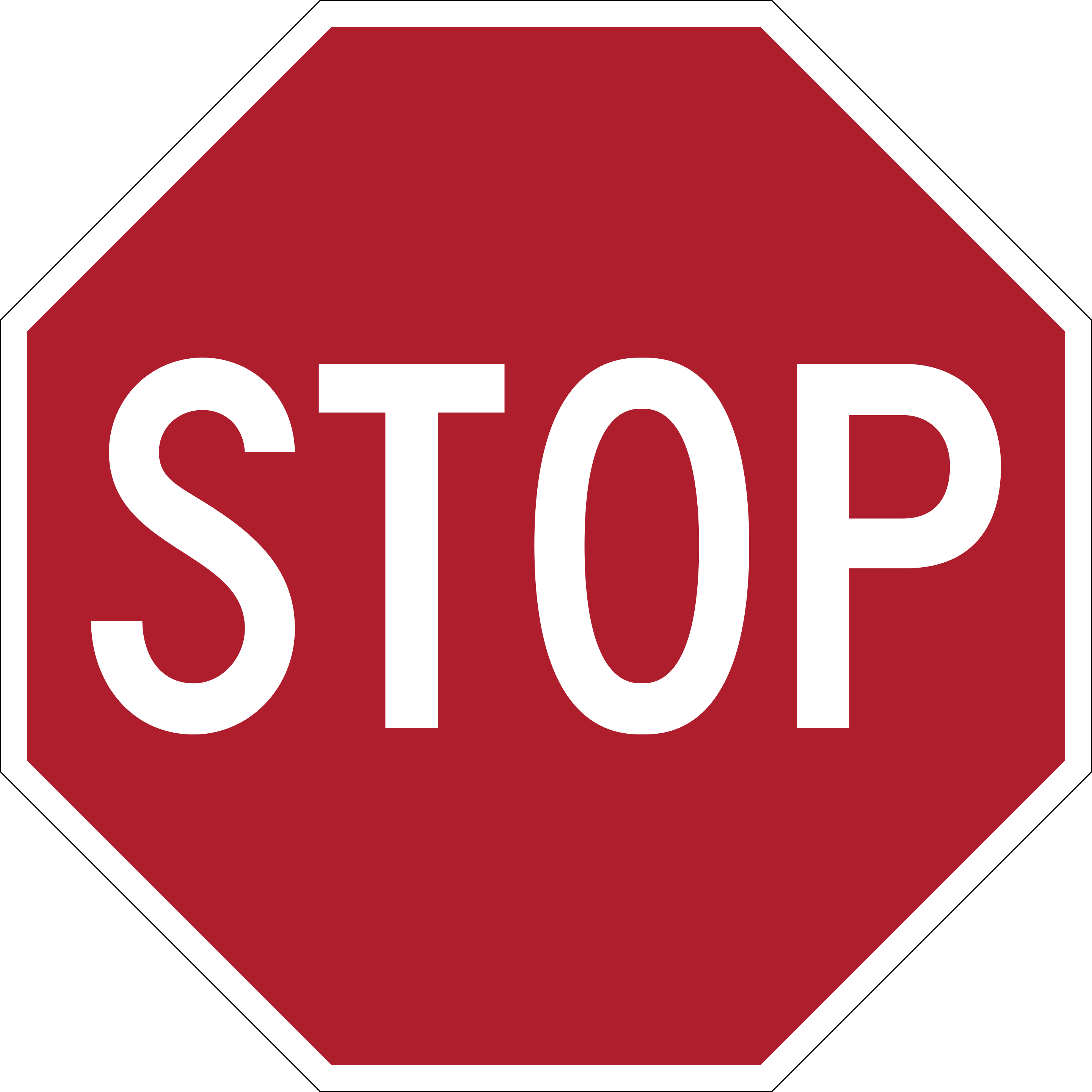
Question 17What shape is a stop sign?
Show answer
A: Eight-sided (octagon). The stop sign has eight sides and is red with white letters. Wisconsin Motorists' Handbook (BDS126): Section 4: Signs — B. Regulatory, page 29.
-
Question 18About how far behind a large truck does its No-Zone extend?
Show answer
C: About 200 feet. The No-Zone is about 200 feet behind and 20 feet in front of large trucks. Wisconsin Motorists' Handbook (BDS126): Section 10: Sharing the Road — F. No-Zones, page 56.
-
Question 19What is the minimum age for a Wisconsin Class D instruction permit?
Show answer
B: 15. Applicants under 18 must be at least 15 years old, enrolled in driver education and pass the required tests. Wisconsin Motorists' Handbook (BDS126): Section 2: Progression of Licenses — B. Instruction Permit, page 9.
-
Question 20Which sign tells you that you are too drowsy to drive and should pull over to rest?
Show answer
A: Hitting the rumble strip on the side of the road. Pull over and rest if you are yawning or blinking a lot, drifting from your lane, or hitting the rumble strip. Wisconsin Motorists' Handbook (BDS126): Section 9: Dangerous Driving Behaviors — C. Drowsy Driving, page 54.
-
Question 21What should you do as you reach your exit in a roundabout?
Show answer
A: Turn on your right turn signal and exit. As you reach your exit, turn on your right turn signal and exit. Wisconsin Motorists' Handbook (BDS126): Section 6: Driving Situations — A. Roundabouts, page 43.
-
Question 22Can hydroplaning happen at low speeds?
Show answer
A: Yes, if your tires are bald. Hydroplaning can happen at low speeds if your tires are bald. Wisconsin Motorists' Handbook (BDS126): Section 7: Driving Conditions — B. Severe Weather, page 48.
-
Question 23What do solid yellow lines separate?
Show answer
A: Traffic going in opposite directions. Solid yellow lines separate traffic going in opposite directions. Wisconsin Motorists' Handbook (BDS126): Section 5: Signals, Pavement Markings and Lane Controls — B. Types of Line Markings, page 39.
-
Question 24What must you do at a stop sign?
Show answer
A: Come to a complete stop and wait until your path is clear. At a stop sign you must come to a complete stop and wait until your path is clear. Wisconsin Motorists' Handbook (BDS126): Section 4: Signs — B. Regulatory, page 29.
-
Question 25About how far in front of a large truck is its No-Zone?
Show answer
B: About 20 feet. The No-Zone extends about 20 feet in front of large trucks. Wisconsin Motorists' Handbook (BDS126): Section 10: Sharing the Road — F. No-Zones, page 56.
Answer every question to see your score.
More Wisconsin practice tests
- Practice test 125 questions
- Practice test 225 questions
- Practice test 325 questions
- Practice test 425 questions
- Practice test 525 questions
- Practice test 625 questions
- Practice test 725 questions
- Practice test 825 questions
- Practice test 1025 questions
- Practice test 1125 questions
- Practice test 1220 questions
- Exam simulatorThe real format, 50 questions
How to use these tests
Read each explanation, even when you get the question right: it tells you the rule and the handbook section, so you can look it up. Your answers are saved in this browser only, so the weak spots mode can give you more questions on the topics you miss. When you're scoring well, take the exam simulator: it uses the same number of questions and passing score as the real test.
Our own questions, written from the Wisconsin Motorists' Handbook (BDS126) and checked against it. Not affiliated with the Wisconsin Department of Transportation, Division of Motor Vehicles (WisDOT DMV). Found a mistake? Tell us.