Kansas KDOR Division of Vehicles permit practice test 7
25 questions written from the Kansas Driving Handbook (Non-Commercial Driver's Manual), covering lanes, highways and freeways, emergencies, alcohol and drugs, hazards, weather and night driving, licensing laws and penalties and more. Pick an answer to see straight away whether you're right and why. The real Kansas KDOR Division of Vehicles test has 25 questions and you need 20 right.
-
Question 1What should you use to signal a lane change on many vehicles?
Show answer
D: The lane change device: hold the signal lever halfway up or down. Use the lane change device (hold the signal device halfway up or down) before lane changes or merge areas. Kansas Driving Handbook (Non-Commercial Driver's Manual): Signal prior to changing direction, page 69.
-
Question 2When evading a hazard at speed, how much steering input should you limit yourself to?
Show answer
D: Not more than 180 degrees. Limit steering to not more than 180 degrees when evading a problem; more causes traction loss. Returning from off-road takes only 45-90 degrees. Kansas Driving Handbook (Non-Commercial Driver's Manual): Types of Steering Methods: Evasive action steering, page 31.
-
Question 3At what BAC does Kansas say vision is affected for all drivers?
Show answer
C: .02. Vision is impacted at .02 BAC for all drivers. Kansas Driving Handbook (Non-Commercial Driver's Manual): Effects of Alcohol and other Impairing Drugs, page 23.
-
Question 4How much farther do high beams let you see than low beams?
Show answer
D: About twice as far. High beams let you see twice as far as low beams; use them whenever there are no oncoming vehicles. Kansas Driving Handbook (Non-Commercial Driver's Manual): Night Driving, page 90.
-
Question 5Between which hours may a 16-year-old with a Kansas restricted license drive anywhere?
Show answer
A: 5 a.m. to 9 p.m.. A 16-year-old may drive at any time from 5 a.m. to 9 p.m., plus to/from school activities, religious activities and work, or with a licensed adult. Kansas Driving Handbook (Non-Commercial Driver's Manual): Driving Restrictions 16-Year-Old, page 13.
-
Question 6If you double your speed from 20 to 40 mph, how much greater is the impact and braking distance?
Show answer
B: 4 times. Doubling speed from 20 to 40 mph makes the impact and braking distance 4 times greater; tripling to 60 makes it 9 times greater. Kansas Driving Handbook (Non-Commercial Driver's Manual): Speed Management, page 59.
-
Question 7When should you NOT use your horn?
Show answer
C: To tell other drivers of an error or greet a friend. Don't use the horn to hurry others, tell drivers of an error, greet a friend, or near blind pedestrians. Kansas Driving Handbook (Non-Commercial Driver's Manual): Not using your horn, page 68.
-
Question 8After an emergency vehicle passes, how far behind it must you stay?
Show answer
D: At least 500 feet. You must stay at least 500 feet away from the emergency vehicle. Kansas Driving Handbook (Non-Commercial Driver's Manual): Emergency Vehicles, page 85.
-
Question 9Approaching a vehicle stopped ahead of you on a multi-lane road, what should you do?
Show answer
B: Slow down and don't pass until sure no pedestrians are crossing in front of it. When approaching a stopped vehicle from behind, slow down and do not pass until you're sure no pedestrians are crossing in front of it—even on multi-lane roads. Kansas Driving Handbook (Non-Commercial Driver's Manual): Pedestrians, page 80.
-
Question 10A solid and a dashed yellow line separate opposing lanes, and the solid line is on your side. May you pass?
Show answer
C: No. You should not pass if the solid yellow line is on your side; if the dashed line is on your side, you may pass when safe. Kansas Driving Handbook (Non-Commercial Driver's Manual): Pavement Markings: Yellow Lane Markings, page 43.
-
Question 11What is the fine for speeding in a Kansas work zone?
Show answer
C: Doubled. Fines for speeding in a work zone are doubled. Kansas Driving Handbook (Non-Commercial Driver's Manual): Work Zone Signs, page 39.
-
Question 12When parking uphill with a curb, how should your wheels be turned?
Show answer
C: Away from the curb, then roll back until the tire touches the curb. Uphill with a curb, turn the wheels sharply away from the curb and let the vehicle roll back until the tire touches it. Kansas Driving Handbook (Non-Commercial Driver's Manual): Parking Uphill with a Curb, page 52.
-
Question 13When turning left at a light that turns green, what does the Kansas handbook say to do?
Show answer
B: Pull into the intersection to be ready to turn, leaving room for oncoming left turns. When the light turns green, pull into the intersection to be ready to turn, avoid cutting the corner, and leave room for oncoming left turns. Kansas Driving Handbook (Non-Commercial Driver's Manual): Left turns, page 47.
-
Question 14Someone is tailgating you and there is an empty lane. What should you do?
Show answer
C: Move over and let them pass. If tailgated and there's an empty lane, move over and allow a pass; never slow down quickly to discourage a tailgater. Kansas Driving Handbook (Non-Commercial Driver's Manual): Space Behind Affects Your Following Interval, page 64.
-
Question 15Is it legal to drive on a sidewalk in Kansas?
Show answer
D: Only to cross it, such as at a driveway. It is illegal to drive on a sidewalk except to cross it, such as at a driveway, yielding to pedestrians. Kansas Driving Handbook (Non-Commercial Driver's Manual): Right-Of-Way (Section 6), page 33.
-
Question 16If your vehicle is about to be hit from the front, what should you try to do?
Show answer
A: Turn so it's a glancing blow rather than head-on. Try to turn the vehicle so you get a glancing blow rather than being struck head-on. Kansas Driving Handbook (Non-Commercial Driver's Manual): Protect Yourself in Collisions, page 74.
-
Question 17Which skill do alcohol and drugs reduce by making it harder to tell traffic signs and signals apart by color?
Show answer
B: Color distinction. Alcohol and other impairing drugs reduce your ability to distinguish colors, such as signs, signals and markings. Kansas Driving Handbook (Non-Commercial Driver's Manual): Effects of Alcohol and other Impairing Drugs, page 23.
-
Question 18How deep must water be to reach the bottom of most passenger cars?
Show answer
D: 6 inches. 6 inches of water reaches the bottom of most passenger cars, causing loss of control or stalling; 2 feet of rushing water can carry away most vehicles. Kansas Driving Handbook (Non-Commercial Driver's Manual): Flooded Roadways, page 91.
-
Question 19How many non-sibling minor passengers may a 16-year-old with a Kansas restricted license carry?
Show answer
A: One. Only one non-sibling minor passenger is allowed. Kansas Driving Handbook (Non-Commercial Driver's Manual): Driving Restrictions 16-Year-Old, page 13.
-
Question 20Compared with 20 mph, how much greater are impact and braking distance at 80 mph?
Show answer
B: 16 times. Increase the speed to 80 mph and impact and braking distance are 16 times greater than at 20 mph. Kansas Driving Handbook (Non-Commercial Driver's Manual): Speed Management, page 59.
-
Question 21How far ahead should you look when driving in the city, according to the Kansas handbook?
Show answer
A: At least two blocks or two traffic signals. In the city, look at least two blocks or two signals ahead; in urban areas, three; on the highway, at least a quarter mile. Kansas Driving Handbook (Non-Commercial Driver's Manual): Look ahead, page 56.
-
Question 22An emergency vehicle is leaving its station with lights flashing. What must you do?
Show answer
B: Stop until it is safely out of your path. If an emergency vehicle is leaving or returning to its garage with lights flashing, you must stop until it is out of your path. Kansas Driving Handbook (Non-Commercial Driver's Manual): Emergency Vehicles, page 85.
-
Question 23Under Kansas's Dead Red Law, what may a bicyclist do?
Show answer
B: Cross a red light that won't detect the bicycle after waiting a reasonable time, without impeding cross traffic. Under the Dead Red Law, if the signal won't respond to a bicycle, the cyclist may cross after waiting a reasonable time, without impeding cross-traffic. Kansas Driving Handbook (Non-Commercial Driver's Manual): Bicyclists, page 81.
-
Question 24Two solid yellow lines separate the lanes. Which statement is true?
Show answer
D: Neither side may pass, but you may cross to turn when gaps exist. Two solid yellow lines mean neither side may pass; you may cross a solid yellow line to turn when gaps in traffic exist. Kansas Driving Handbook (Non-Commercial Driver's Manual): Pavement Markings: Yellow Lane Markings, page 43.
-
Question 25What do speed limit signs show?
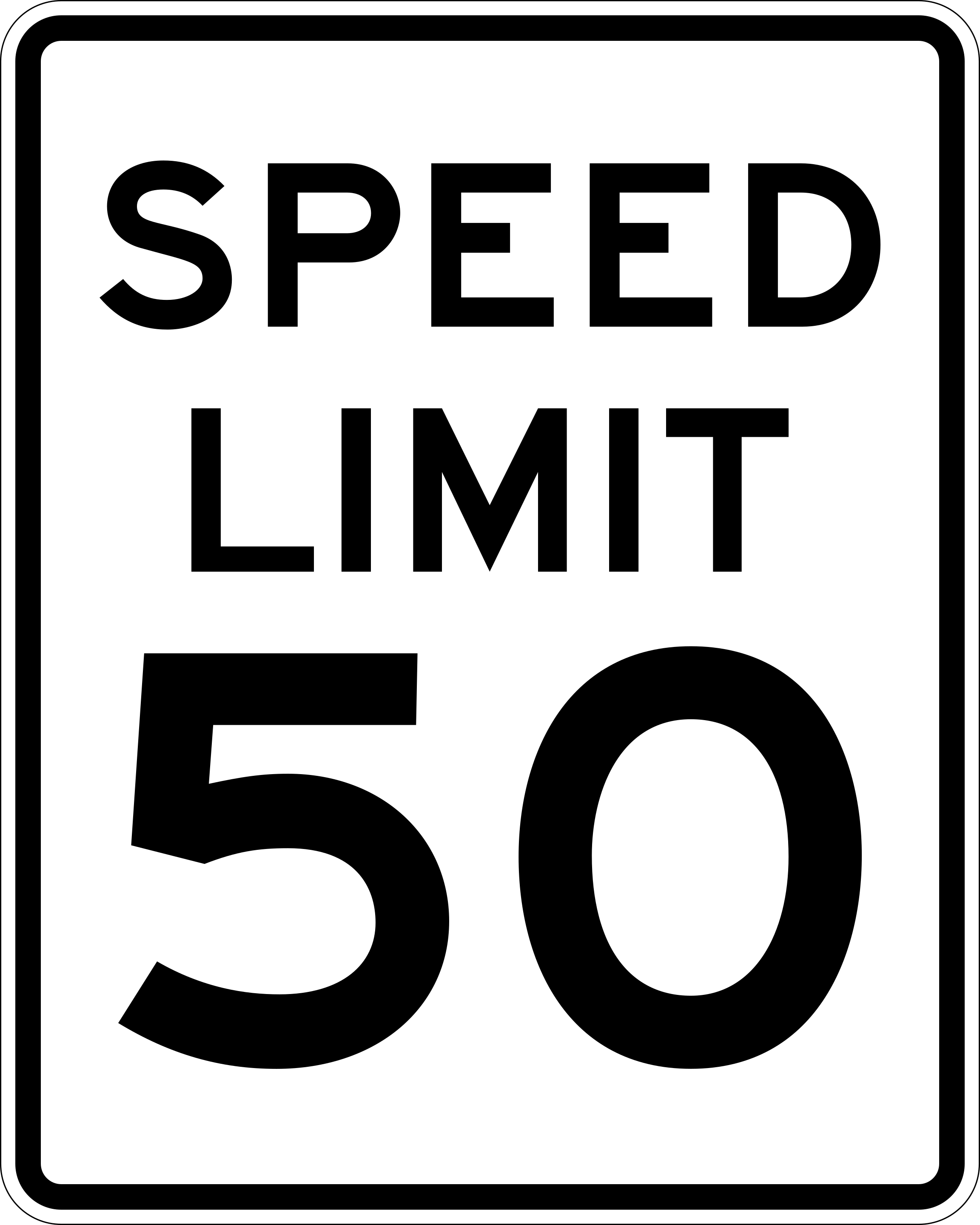
Show answer
B: The maximum legal speed or the minimum legal speed required. Black and white speed limit signs show the maximum legal speed allowed or the minimum required. Kansas Driving Handbook (Non-Commercial Driver's Manual): Regulatory Signs: Speed Limit Signs, page 39.
Answer every question to see your score.
More Kansas practice tests
- Practice test 125 questions
- Practice test 225 questions
- Practice test 325 questions
- Practice test 425 questions
- Practice test 525 questions
- Practice test 625 questions
- Practice test 825 questions
- Practice test 925 questions
- Practice test 1025 questions
- Practice test 1125 questions
- Practice test 1225 questions
- Practice test 1324 questions
- Exam simulatorThe real format, 25 questions
How to use these tests
Read each explanation, even when you get the question right: it tells you the rule and the handbook section, so you can look it up. Your answers are saved in this browser only, so the weak spots mode can give you more questions on the topics you miss. When you're scoring well, take the exam simulator: it uses the same number of questions and passing score as the real test.
Our own questions, written from the Kansas Driving Handbook (Non-Commercial Driver's Manual) and checked against it. Not affiliated with the Kansas Department of Revenue, Division of Vehicles. Found a mistake? Tell us.